
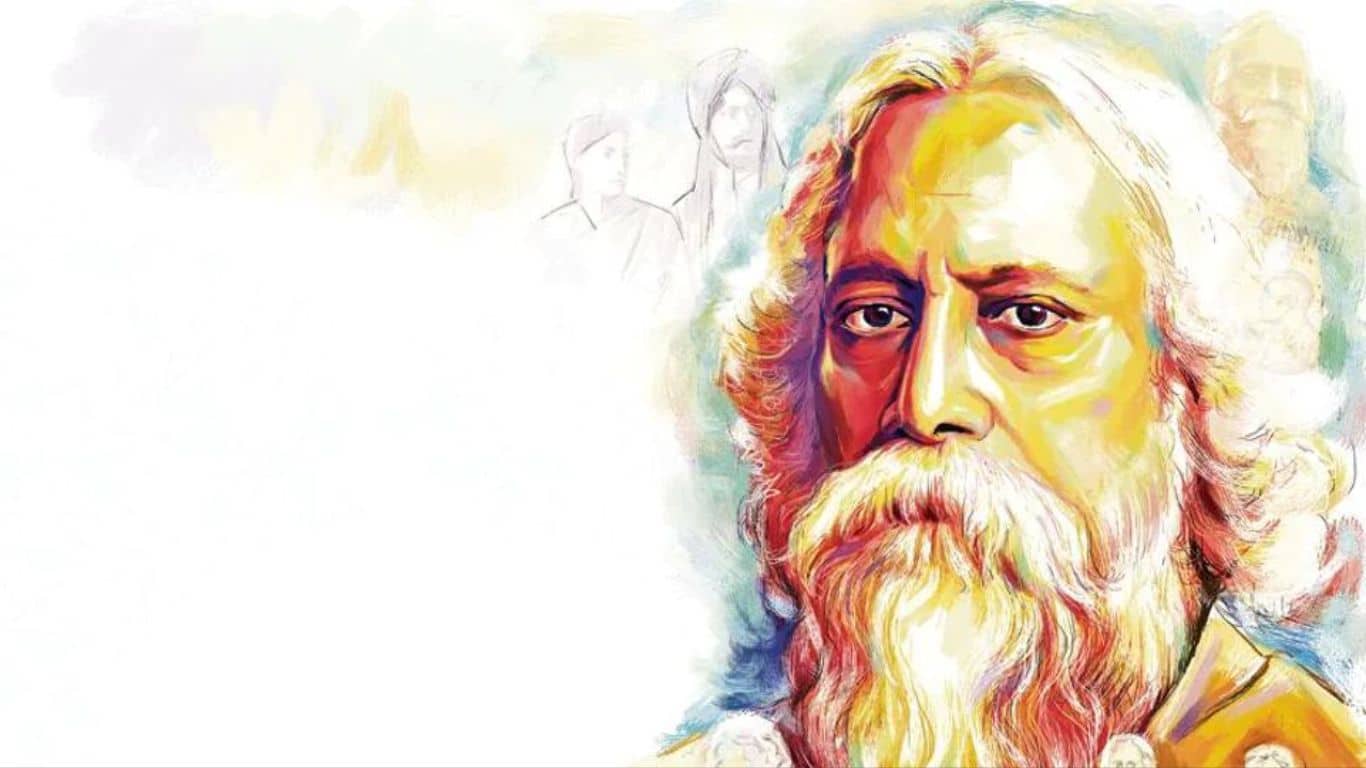
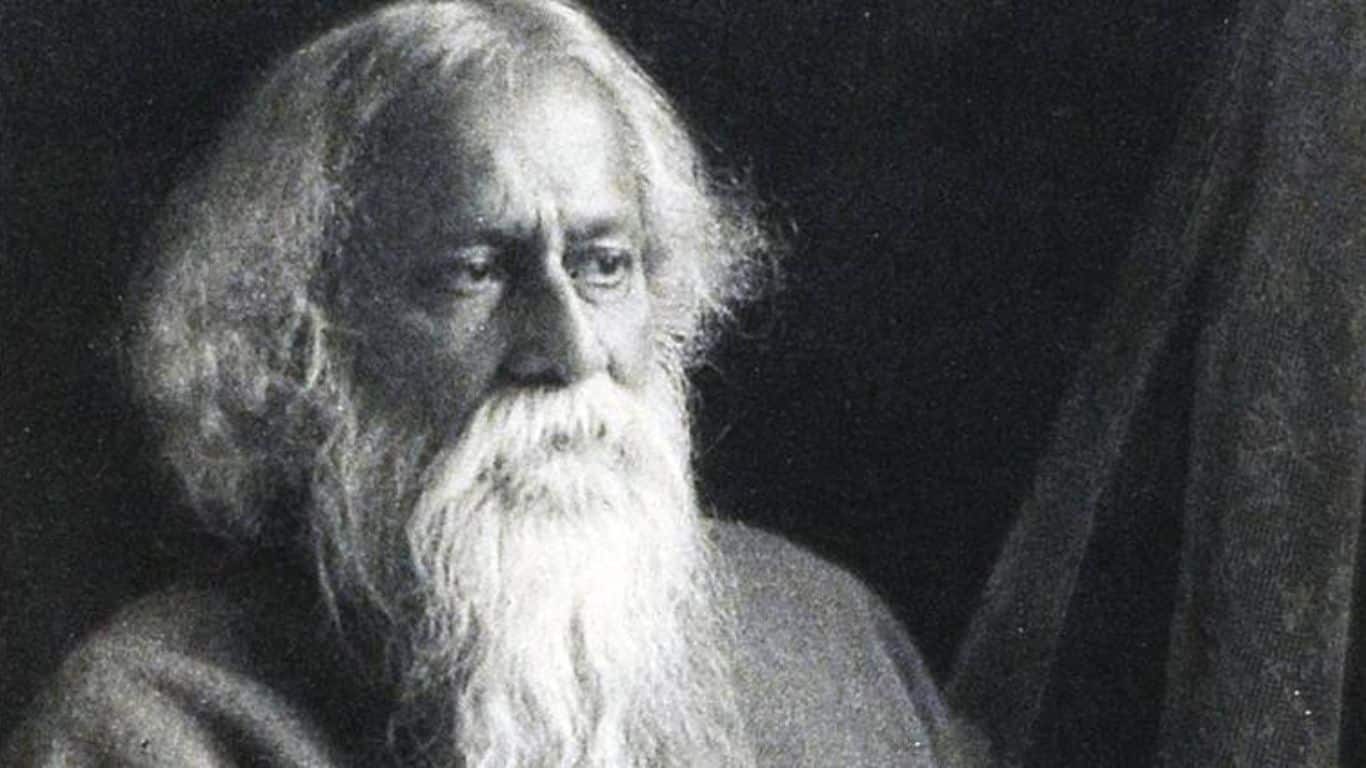
Rabindranath Tagore (May 7, 1861 – August 7, 1941), the bard of Bengal was awarded the Nobel Prize in Literature in the year 1913. He was awarded this prestigious award because of his deeply sensitive and beautiful verses in Gitanjali. In the year 1913, he became the first non-European to win the Nobel Prize in Literature. In this article, we are going to read about the great achievements of Rabindranath Tagore and what made Tagore worthy of the Nobel Prize.
Tagore was born in Calcutta, India. He was a versatile genius. Rabindranath Tagore was a poet, composer, playwright, writer, painter, philosopher, and social reformer. He gave a new form to Bengali music and literature with contextual modernism during the end of the 19th and the beginning of the 20th centuries. Tagore is popularly known as ‘Kabiguru’ and ‘Rabithakur’ in Bengal.
Great Achievements of Rabindranath Tagore: What Made Tagore Worthy of the Nobel Prize –
Poems, Short-story, and Novel
The first Asian Nobel Laureate had numerous contributions to Bengal and literature. In 1877, Rabithakur wrote Bhikharini (The Beggar Woman). He is known for introducing short Stories in Bengali literature. His short stories reflect the lifestyle and struggles of common people of Indian rural areas. His famous short story is Kabuliwala (The Fruit seller from Kabul).
He is widely known as the greatest modern Indian poet. His best work Gitanjali was published in the year 1910. He translated it into English, Songs Offerings or the English Gitanjali was published in 1912. The primary theme of Tagore’s poem is the essential utility of all creation. He is one of the most renowned modern Indian poets.
In addition to his contribution to poetry, drama, and short stories, he also wrote four novellas and eight Novels. His popular novels include Ghare Baire, Chokher Bali, Gora, Chaturanga, Char Odhyay, Shesher Kobita, and Noukadubi. Several of these writings have been adapted as movies. He is also considered a towering figure of 20th-century literature.
Artist
In 1930, he went on to create thousands of works of art. He became the first Indian artist to exhibit his art across Russia, the United States, and Europe. Tagore was most likely red-green colour blind, which led to the art of strange colour schemes and unconventional aesthetics. 102 works by Tagore are listed in the collection of the National Gallery of Modern Art, India.
Visva Bharati University
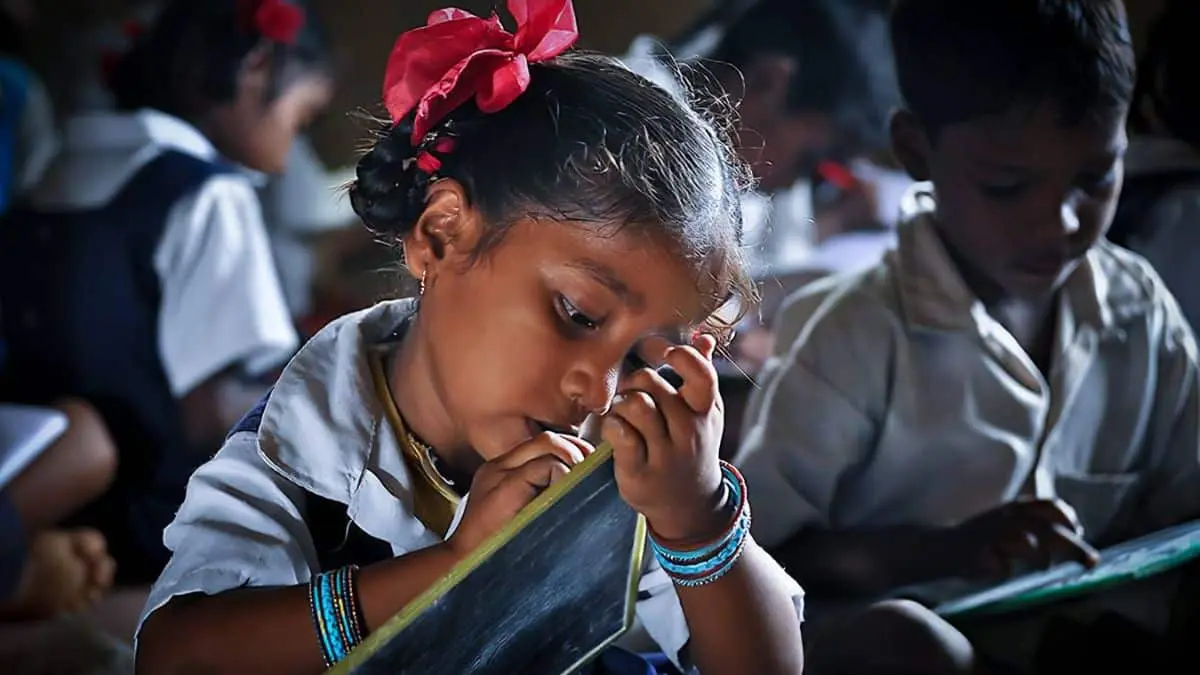
Tagore was home-schooled and he despised formal education. He was profoundly inspired to reconstruct the Indian education system. He founded the Visva Bharati University in Shantiniketan, an institution that surrounded nature with classes held under trees. Today, it is one of the most famous institutions of higher education in India with popular alumni such as Amartya Sen (Nobel Prize winner economist) and renowned director Satyajit Ray.
National Anthem
He wrote the poem Bharoto Bhagyo Bidhata dedicated to Para Brahman (the formless spirit that eternally pervades all, in Hindu philosophy). This poem consists of five stanzas and it was first sung on day two of the annual session of the Indian National Congress held on December 27, 1911, in Calcutta. After Independence, the first stanza of the poem was adopted as Indian National Anthem (Jana Gana Mana).
In 1905 he wrote Amar Shonar Bangla (My Golden Bengal). It was an ode to Mother Bengal, written during the partition of Bengal. In 1971 when Bangladesh won the Bangladesh Liberation War, the first ten lines of the poem were adopted as the national anthem of Bangladesh. This made Tagore the only person in the world who wrote the national anthems of two countries.
Honorary Degree
In 1915 Tagore was knighted by the British. He returned his knighthood in 1919 as a protest against the Jallianwala Bagh Massacre. In this incident, several innocent Indians (men, women, and children) were brutally killed by the British. In 1940 Oxford University bestowed Tagore with an honorary doctorate for his numerous achievements and contributions. This was the only degree that Tagore received in his lifetime, primarily because he dropped out of the education system.
Also Read: Ten Life Lessons to Learn From the Bhagwat Geeta