
The first glimpse of Forza Horizon 6 doesn’t just introduce a new racing map—it opens the door to a deeply textured, almost cinematic interpretation of Japan. From the neon pulse of Tokyo’s crowded streets to the quiet, snow-laden passes of the Japanese Alps, the game appears determined to turn driving into a journey as much as a competition.
At its core, this latest installment presents what developers describe as their most “dense and vertical” world yet. That ambition is immediately visible in how the map stretches across contrasting environments. Players can speed through urban landmarks inspired by Tokyo’s famous C1 loop and tree-lined avenues like Gingko Avenue, then climb toward legendary mountain routes such as Mt. Haruna and Bandai Azuma. The shift from city to countryside isn’t just visual—it’s experiential, offering entirely different driving moods within a single session.
Early hands-on impressions suggest that exploration remains the heart of the experience. Even within a limited preview build, the world feels expansive and alive. The opening sequence guides players through recognizable landmarks like Tokyo Tower and the iconic Shibuya Crossing before transitioning into a broader, open-world format. Once unleashed, the map invites curiosity. One moment, you’re navigating tight city streets; the next, you’re chasing distant mountains visible on the horizon.
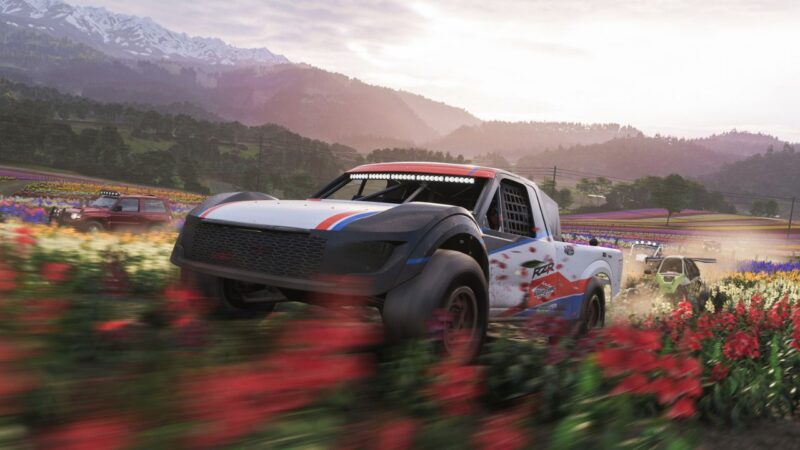
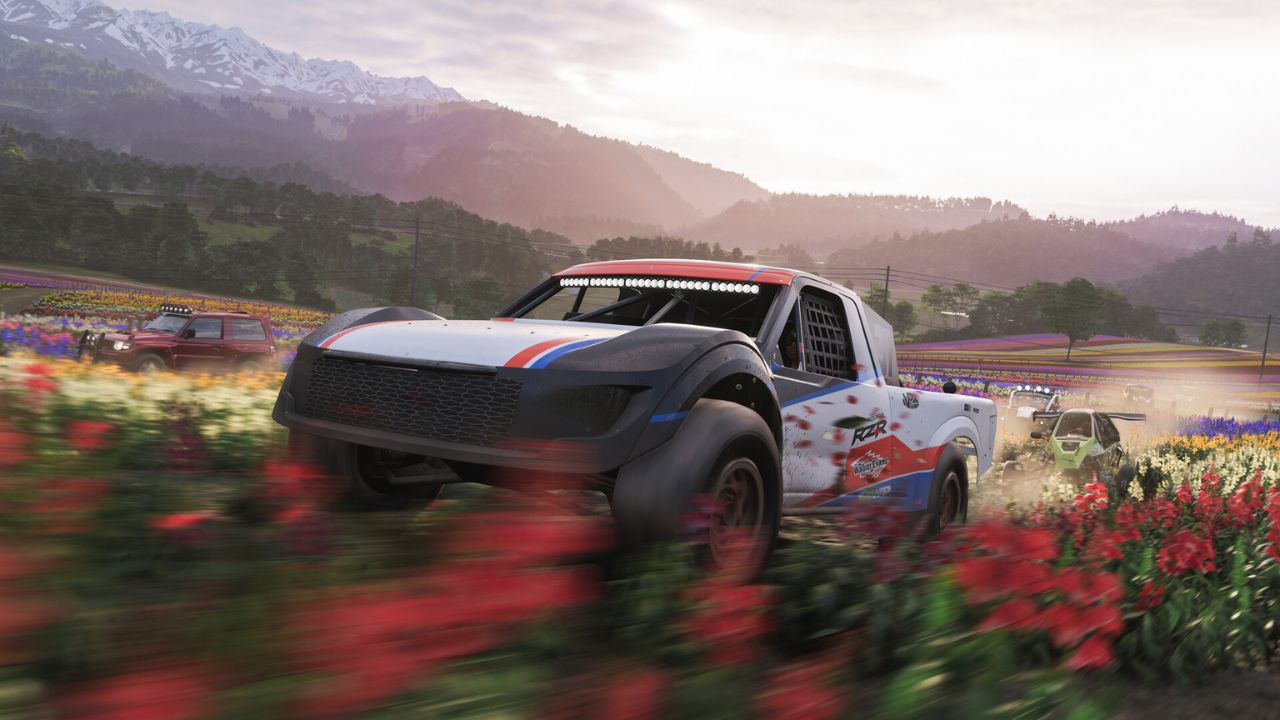
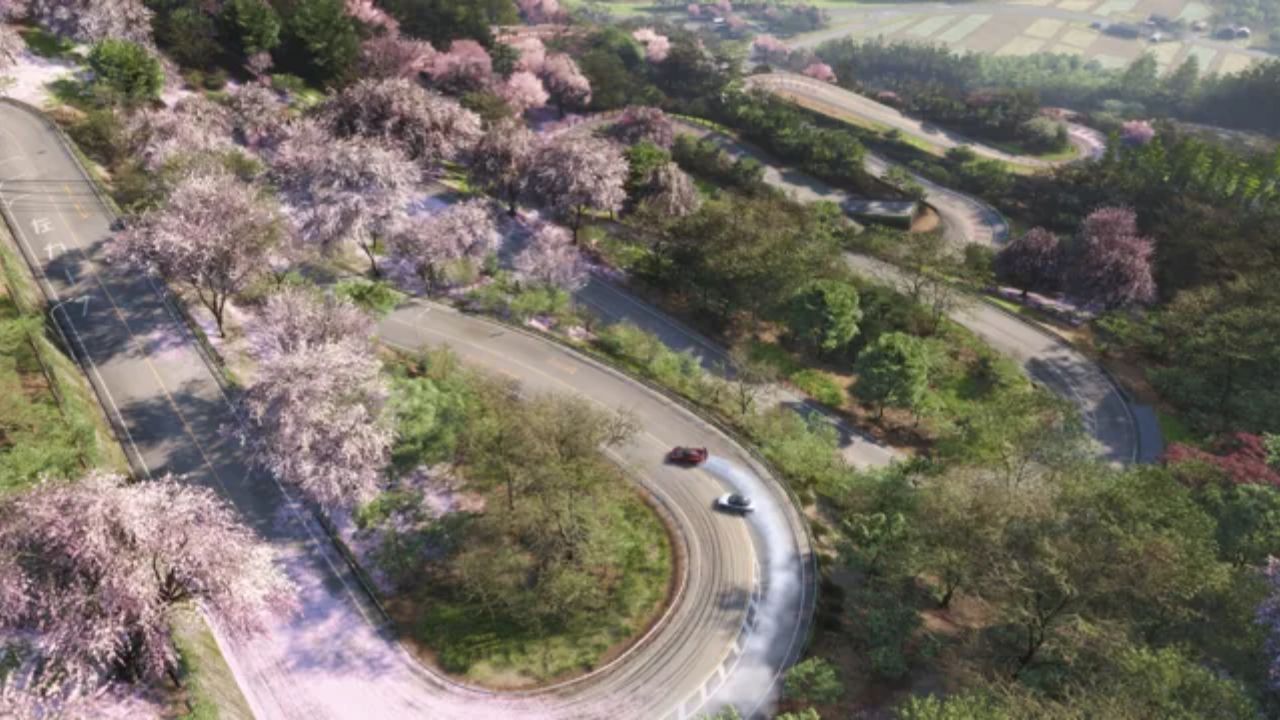
That sense of movement is amplified by dynamic weather and seasonal changes. A drive toward the northern mountains might take you through sudden rainstorms, drifting cherry blossoms, dense forests, and quiet rural towns. These transitions don’t feel like isolated set pieces—they blend into one continuous, evolving journey. Visually, everything from the vehicles to the environmental effects carries the polished quality the series is known for.
The mountainous regions, in particular, stand out as a highlight. Inspired by real-world locations like the Tateyama Kurobe Alpine Route, these areas feature towering snowdrifts that create dramatic, almost surreal driving corridors. While players might be tempted to test the limits of physics—like attempting to plow through these massive snow walls—they serve more as imposing scenery than interactive terrain. Still, the experience of racing through them delivers a unique thrill that would be far more daunting in real life.
Gameplay retains the familiar structure fans expect, blending free exploration with structured challenges. Activities like speed traps, drift zones, drag races, and time trials are scattered across the map, offering quick bursts of competition. Yet, as always, the races themselves remain the centerpiece. Whether it’s tearing across beaches or drifting through rice fields in an ill-suited off-road vehicle, these events capture the unpredictable fun that defines the Horizon series.
Car selection also plays a critical role. With hundreds of vehicles expected in the full release, choosing the right machine for each event becomes part of the strategy. The preview hints at new additions too, such as aftermarket sales where players can pick up tuned cars at discounted prices—small touches that add depth to progression.
Accessibility continues to be a priority. Features like autosteering aim to make the game more welcoming, ensuring that players of varying skill levels can enjoy the experience without frustration. It’s a subtle but important evolution, broadening the appeal of a series that already balances realism with accessibility.
Despite some areas being locked in the preview—such as the player’s home base and a mysterious endgame region known as Legend Island—the world already feels complete enough to explore for hours. It’s the kind of environment that encourages wandering without a clear objective, simply to see what lies beyond the next curve.
Ultimately, Forza Horizon 6 seems less like a traditional racing game and more like an interactive travelogue. It captures the spirit of Japan not just through its landmarks, but through its contrasts—modern and traditional, urban and rural, serene and chaotic. And while no virtual experience can fully replicate the real thing, this one comes close enough to spark a different kind of excitement: the urge to see it all firsthand.
With its release set for May 19—along with early access for premium players starting May 15—the game positions itself as both a technical showcase and a celebration of place. For now, the message is simple: Japan awaits, and the road is wide open.