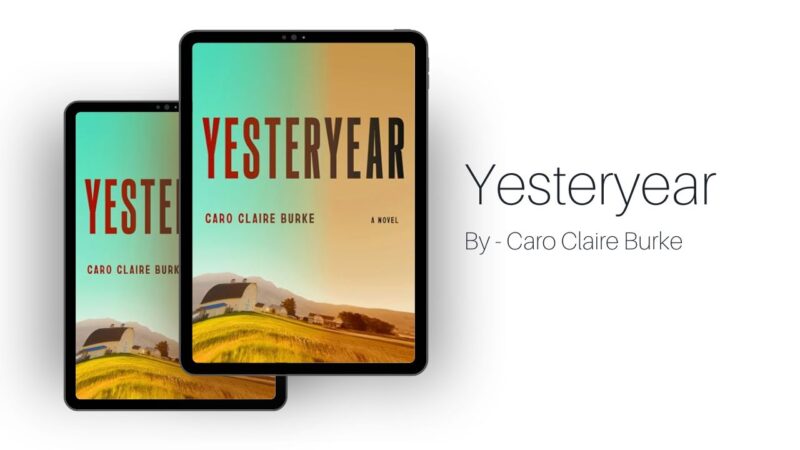

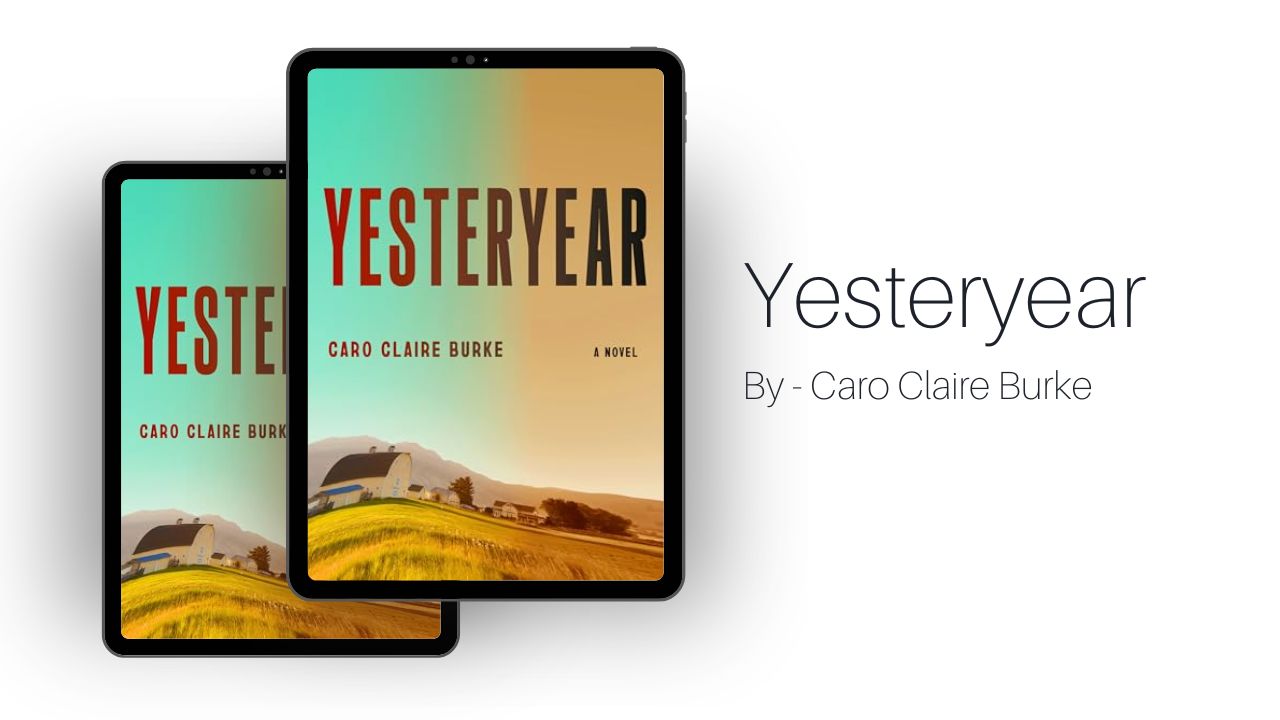
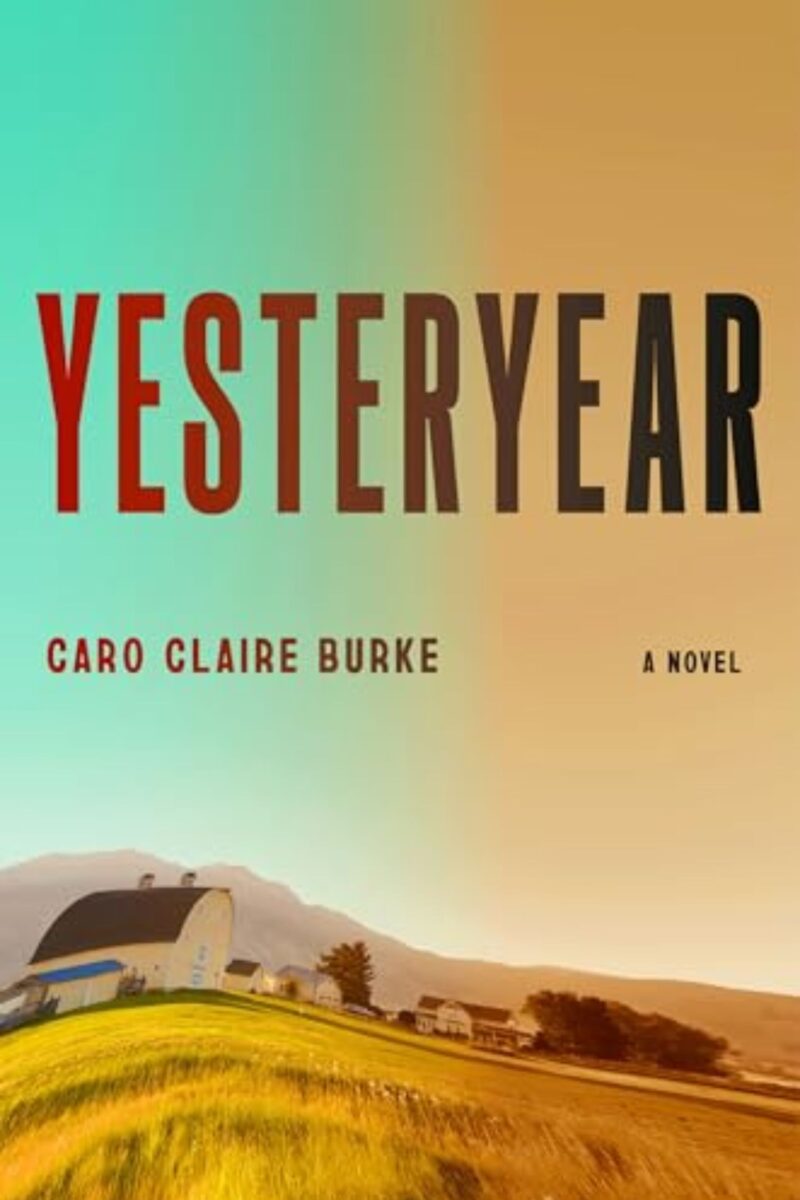
Caro Claire Burke’s Yesteryear arrives as one of those rare debut novels that feels both wildly entertaining and quietly unsettling. On the surface, it promises a clever “what if” premise—but as the story unfolds, it becomes clear that this is not just a novel about time travel or social media. It’s a sharp, often uncomfortable reflection of modern identity, womanhood, and the illusion of perfection.
What the Book Is About
At the heart of Yesteryear is Natalie Heller Mills, a wildly successful “tradwife” influencer—someone who markets an idealized version of traditional homemaking to millions online. Her life appears perfect: a picturesque farmhouse, a loving husband, adorable children, and a brand built on nostalgia.
But that perfection is a performance.
Then comes the twist.
One day, Natalie wakes up in what seems to be the real past—stripped of modern conveniences and forced into the brutal, exhausting reality of 19th-century domestic life. Suddenly, the aesthetic she once sold becomes a lived nightmare: manual labor, isolation, and survival without shortcuts.
The novel keeps readers guessing—Is this time travel? A psychological breakdown? A twisted experiment?—and that ambiguity becomes part of its charm.
A Satire That Cuts Deep
What makes Yesteryear stand out is its biting satire. Burke doesn’t just poke fun at influencer culture—she dismantles it.
The “tradwife” lifestyle, as portrayed in the book, is revealed to be a carefully curated illusion. Behind the scenes are hidden conveniences, staged authenticity, and a relentless hunger for validation.
Through Natalie’s journey, the novel exposes how social media turns identity into performance. The question it keeps asking is simple but uncomfortable: How much of what we consume online is real—and how much do we choose to believe anyway?
Natalie: A Difficult, Human Protagonist
Natalie is not an easy character to like—and that’s exactly the point.
She is ambitious, self-absorbed, and often blind to her own contradictions. Yet, she is also deeply human. Her struggles—between expectation and reality, independence and validation—make her feel real in a way that polished protagonists rarely do.
As the story progresses, her emotional unraveling becomes one of the most compelling aspects of the book. Watching her confront a world she once romanticized is both satisfying and, at times, painfully ironic.
Themes That Linger
1. The Illusion of Nostalgia
The novel dismantles the fantasy of “simpler times.” What looks beautiful on Instagram quickly reveals itself as harsh, exhausting, and unforgiving.
2. The Performance of Womanhood
Burke explores how women are constantly navigating expectations—from traditional roles to modern ideals—and how both can feel equally restrictive.
3. Social Media and Identity
The book sharply critiques the attention economy, showing how audiences and creators are locked in a cycle of performance and consumption.
4. Power, Control, and Agency
As Natalie loses control over her environment, the novel raises deeper questions about autonomy—especially within systems that reward conformity.
Tone and Writing Style
Burke’s writing is a fascinating blend of dark humor and psychological tension. The narrative shifts seamlessly between satire and horror, often within the same scene.
There are moments that feel absurdly funny—and others that are deeply unsettling. This tonal balance keeps the story unpredictable, making it hard to put down.
The pacing is steady, building tension gradually while leaving just enough mystery to keep readers hooked.
What Works—and What Doesn’t
What Works
- A bold, original premise that actually delivers
- Sharp commentary on influencer culture and gender roles
- A complex, flawed protagonist
- A gripping mix of genres—satire, thriller, and speculative fiction
What Might Not Work for Everyone
- Natalie’s personality can be frustrating at times
- The ambiguity of the plot may leave some readers wanting clearer answers
- The darker themes and disturbing moments aren’t for light reading
Final Verdict
Yesteryear is not just a novel—it’s an experience.
It entertains, unsettles, and provokes thought long after the last page. Burke takes a concept that could have been gimmicky and turns it into something layered and meaningful.
This is a story about illusion—about the lives we curate, the identities we perform, and the uncomfortable truths waiting beneath the surface.
If you enjoy fiction that challenges as much as it entertains, Yesteryear is absolutely worth your time.