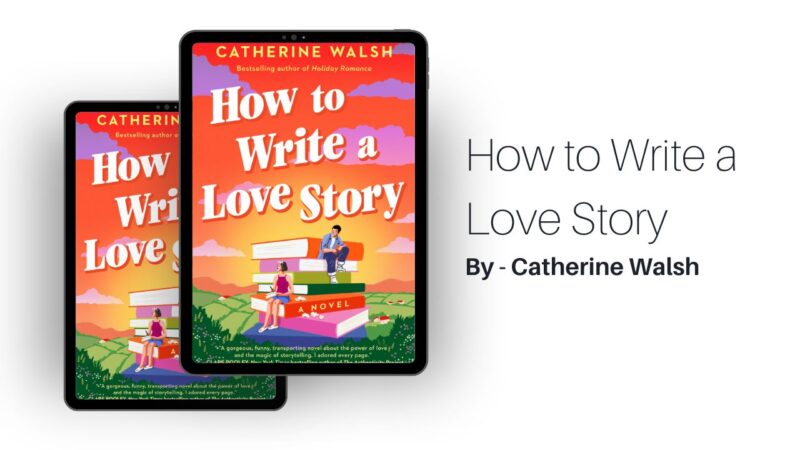

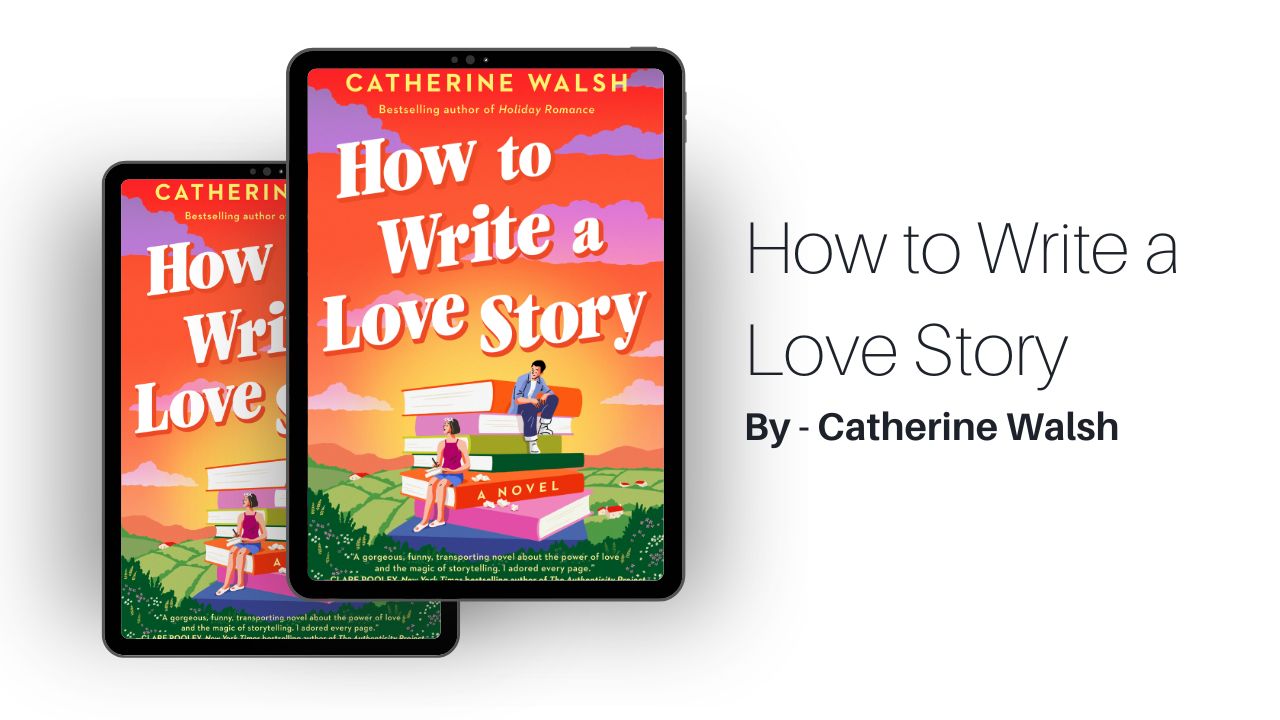
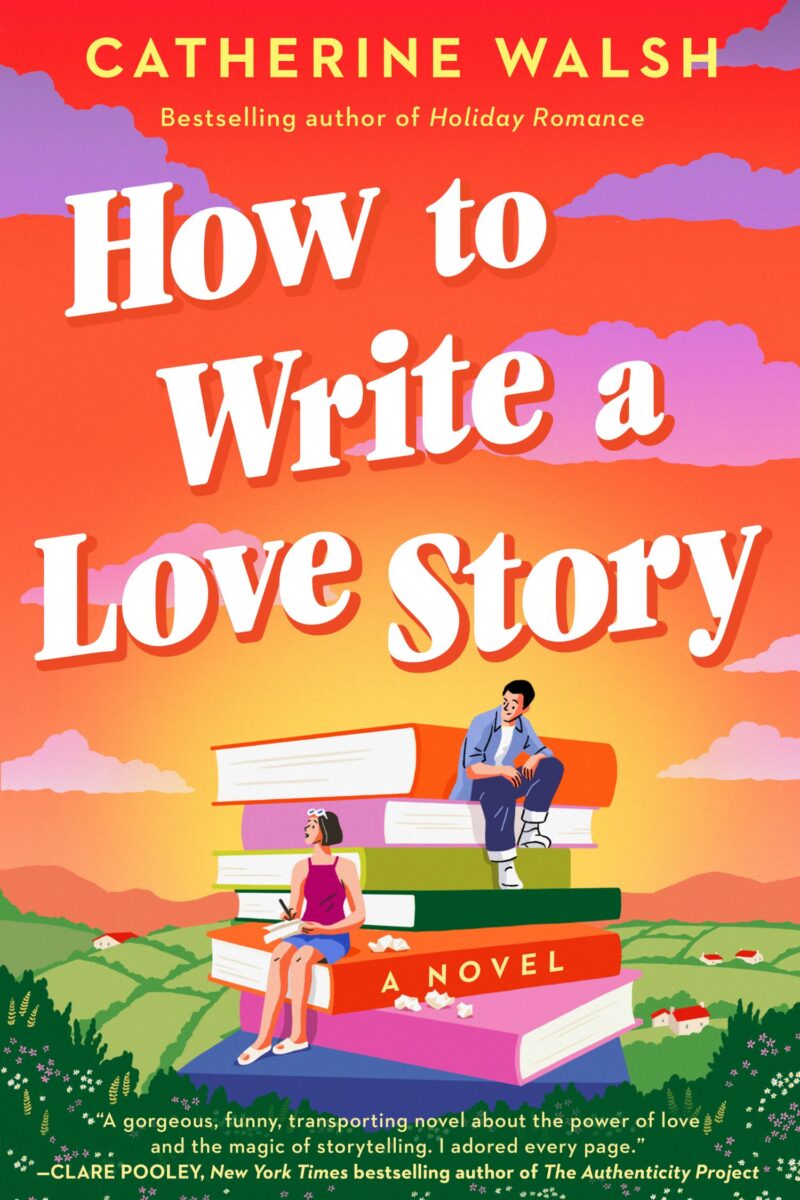
Catherine Walsh’s How to Write a Love Story arrives as more than just another contemporary rom-com. It reads like a love letter—to storytelling, to grief, and to the quiet, complicated process of moving forward. Set between the fast-paced world of New York publishing and the windswept charm of rural Ireland, the novel blends humor and heartbreak with an ease that feels almost effortless.
A Story Built on Deadlines, Grief, and Unexpected Chemistry
At the center of the narrative are Sam Avery and Ciara Sheridan—two people thrown together not by fate, but by obligation.
Sam, a driven editor from New York, is sent to Ireland with a clear mission: convince Ciara to finish the final book in her late father’s beloved fantasy series. Ciara, however, is in no state to comply. She’s grieving, creatively blocked, and burdened by the towering legacy of a literary icon.
What follows is a classic forced-proximity setup—two strangers sharing space, clashing personalities, and a ticking clock. But Walsh doesn’t rush the formula. Instead, she lets the tension simmer. Their connection evolves slowly, almost reluctantly, making the eventual emotional payoff feel earned rather than manufactured.
Characters That Feel Lived-In, Not Written
One of the novel’s strongest achievements lies in its characterization.
Ciara is not your typical romantic heroine. She is messy, grieving, and deeply uncertain of her own voice. Her struggle with “life block”—a blend of writer’s block and emotional paralysis—feels authentic and grounded.
Sam, on the other hand, begins as a somewhat polished outsider—ambitious, slightly intrusive, but undeniably earnest. Their dynamic thrives on contrast: her resistance versus his persistence, her silence against his structured world of deadlines and edits.
Readers repeatedly note how natural their interactions feel—awkward in places, funny in others, but always believable.
Even the supporting cast, from small-town locals to secondary friendships, adds texture rather than distraction, giving the story a lived-in warmth.
A Slow-Burn Romance That Actually Burns
If there’s one defining trait of this novel, it’s its commitment to the slow burn.
Walsh takes her time building emotional intimacy. The romance doesn’t explode—it unfolds. Conversations stretch, silences linger, and attraction grows in the margins of everyday moments. Many readers highlight this gradual progression as one of the book’s biggest strengths, with tension building steadily rather than relying on instant chemistry.
When the relationship finally shifts, it feels less like a plot twist and more like an inevitability—two people who, despite everything, have learned how to meet each other halfway.
More Than Romance: Themes That Add Weight
While marketed as a romantic comedy, the novel carries deeper emotional undercurrents.
At its core, How to Write a Love Story is about:
- Grief and legacy — living in the shadow of someone larger than life
- Creative identity — finding your voice when expectations feel suffocating
- Ownership of stories — who gets to tell them, and why
The unfinished fantasy manuscript becomes more than a subplot—it symbolizes Ciara’s struggle to separate her own identity from her father’s legacy.
Walsh balances these heavier themes with humor and lightness, ensuring the story never feels weighed down, even at its most introspective.
An Irish Setting That Feels Like a Character
The rural Irish backdrop is not just scenic—it’s integral.
From crumbling estates to tight-knit communities, the setting adds both charm and emotional grounding. Readers often describe the location as immersive, with vivid details that make the village feel alive.
It also serves as a contrast to the corporate energy of New York publishing, reinforcing the novel’s central tension between pressure and peace, expectation and freedom.
Writing Style: Effortless, Witty, and Comfortingly Familiar
Walsh’s prose is clean, accessible, and quietly sharp. Dialogue, in particular, stands out—snappy without being over-polished, humorous without trying too hard.
The dual POV structure allows readers to step into both Sam and Ciara’s emotional landscapes, deepening the connection to their journey.
At times, the narrative leans into familiar rom-com beats, but it does so with enough sincerity to avoid feeling formulaic.
Where the Book Stumbles
Despite its strengths, the novel isn’t without minor flaws.
- The pacing of the romance may feel too gradual for readers who prefer quicker emotional payoffs.
- Some moments in the middle stretch slightly longer than necessary.
- A few readers note that the romantic tension could have been developed earlier in the story.
However, these are less structural problems and more matters of preference.
Final Verdict: A Love Story About More Than Love
How to Write a Love Story succeeds because it understands something essential: love stories are rarely just about love.
They’re about timing, baggage, fear, and the courage to begin again.
Catherine Walsh delivers a novel that feels both comforting and emotionally resonant—a story that invites readers to laugh, reflect, and maybe even see their own unfinished chapters a little differently.
Rating: 4.5/5
A perfect pick for readers who enjoy slow-burn romances, bookish settings, and stories where the emotional journey matters just as much as the destination.