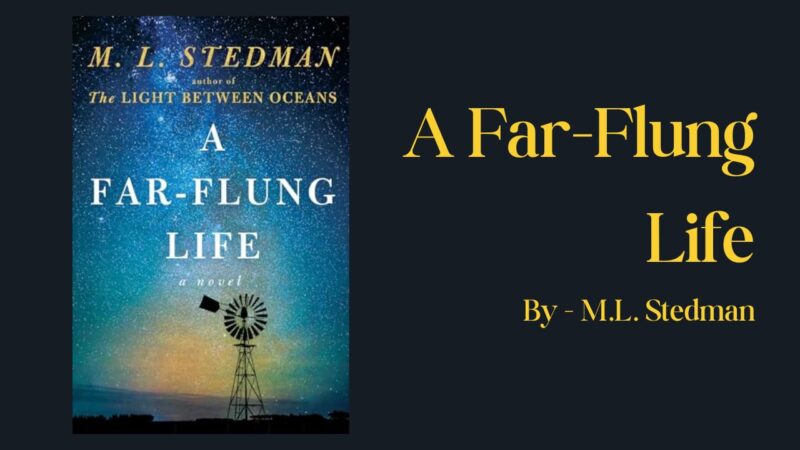

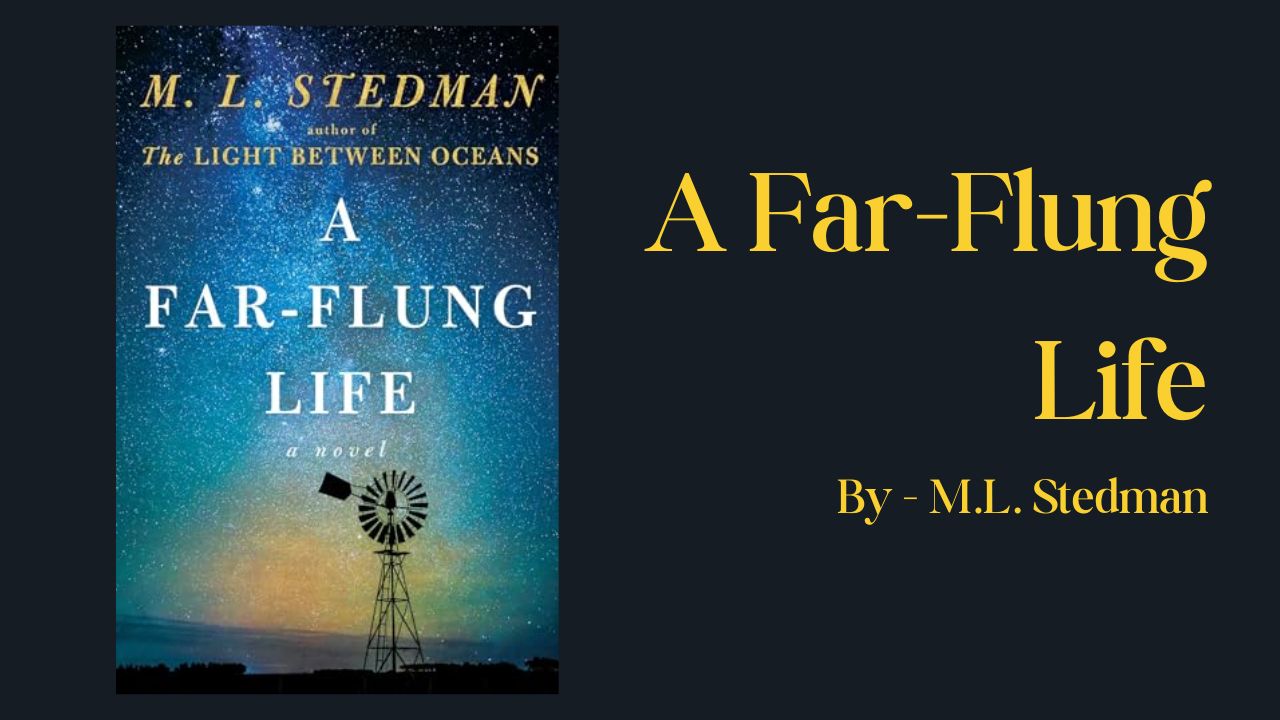
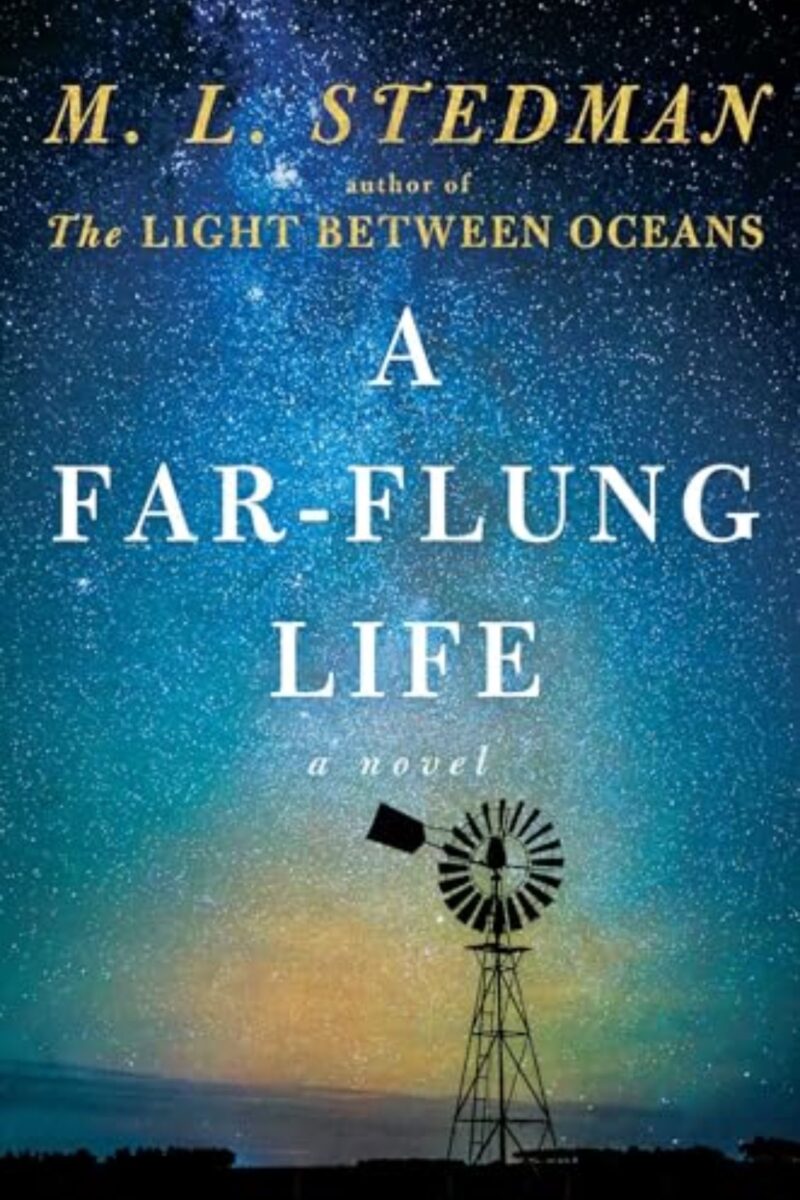
M.L. Stedman, widely known for her internationally acclaimed novel The Light Between Oceans, returns with another deeply emotional story in A Far-Flung Life. This sweeping literary novel explores the complexities of family, guilt, and resilience, set against the stark and unforgiving beauty of the Australian outback. At its core, A Far-Flung Life is not just about what happens to a family after disaster strikes—it is about how people continue living when mistakes, secrets, and grief refuse to fade away.
About the Author
M.L. Stedman was born and raised in Western Australia before eventually settling in London. She rose to global fame with her debut novel The Light Between Oceans, a bestselling historical drama that was later adapted into a film. A Far-Flung Life, released in 2026, marks her long-awaited second novel and showcases her signature style—rich emotional storytelling combined with morally complex characters.
Stedman’s writing often explores difficult moral questions, and this novel continues that tradition with a story filled with impossible choices and human imperfections.
Setting: The Vast Australian Outback
One of the most striking aspects of the novel is its setting. The story unfolds in the remote regions of Western Australia, where the MacBride family has lived for generations on a massive sheep station called Meredith Downs. The land stretches across millions of acres of dry, unforgiving terrain, where isolation is a constant companion.
Stedman vividly captures the rugged landscape—dusty plains, scorching heat, and a sense of distance that shapes the lives of everyone who lives there. The environment is more than just a backdrop; it becomes an emotional mirror for the characters. The vast emptiness of the outback reflects their loneliness, grief, and resilience.
Plot Overview
The story begins with a devastating accident that forever changes the MacBride family. During a routine journey, a tragic crash kills the family patriarch and one of his sons, leaving only the youngest son, Matt MacBride, alive but severely injured. The aftermath of this single moment sends shockwaves through the family and the community around them.
Matt survives but suffers a traumatic brain injury that alters both his memory and personality. Meanwhile, his sister Rose struggles with guilt and emotional turmoil, believing that her own choices indirectly contributed to the tragedy. As the years pass, the family attempts to rebuild their lives while carrying the weight of secrets, grief, and moral dilemmas.
The novel gradually follows the lives of the surviving family members as they navigate love, responsibility, and loss. Relationships shift, hidden truths surface, and the consequences of past actions continue to echo across decades. What begins as a family tragedy slowly transforms into a larger story about forgiveness, endurance, and the difficult path toward healing.
Major Themes in the Novel
1. The Ripple Effect of Tragedy
One of the central ideas in the book is how a single moment can permanently alter the course of many lives. The accident that opens the novel doesn’t just take lives—it reshapes identities, relationships, and futures.
Stedman carefully shows how grief spreads outward, touching everyone in different ways. Some characters bury their pain in silence, while others make choices that only deepen the wounds.
2. Guilt and Moral Complexity
The novel explores the heavy burden of guilt. Several characters carry the feeling that they could have prevented the tragedy if only they had acted differently. This sense of responsibility shapes their decisions and their emotional lives.
Stedman avoids easy answers. Instead, she raises difficult questions about accountability, forgiveness, and the ways people justify their actions.
3. Family and Belonging
Despite its tragedies, A Far-Flung Life is ultimately a story about family bonds. The MacBrides may be fractured by grief, but their connection to one another—and to the land they inhabit—remains strong.
The novel portrays family not as a perfect support system but as something messy, complicated, and deeply human.
4. Resilience and Hope
Although the story contains many painful moments, it is not purely bleak. Beneath the sorrow lies a quiet message about resilience. The characters continue moving forward, learning to live with their memories rather than escape them.
This theme of endurance gives the novel its emotional depth and makes the journey worthwhile for readers.
Writing Style and Narrative Tone
M.L. Stedman’s prose is lyrical yet restrained. She writes with a quiet emotional intensity that allows readers to feel the weight of each moment without overwhelming them with melodrama.
Her descriptions of the landscape are particularly memorable. The Australian outback is portrayed with vivid detail, from dusty winds and endless horizons to the harsh beauty of rural life. Critics have noted that her storytelling combines intimate character drama with an epic sense of place.
The pacing of the novel is deliberate and reflective. Instead of rushing through events, Stedman allows the emotional consequences of each decision to unfold gradually.
Strengths of the Book
Several elements make A Far-Flung Life stand out as a compelling literary novel:
- Deeply layered characters who feel realistic and flawed
- A powerful emotional core centered on family relationships
- Atmospheric writing that brings the Australian outback vividly to life
- Thought-provoking moral dilemmas that challenge readers to consider difficult questions
The novel’s emotional authenticity is one of its greatest achievements. Readers often find themselves reflecting on the characters long after finishing the book.
Potential Weaknesses
While the novel has many strengths, it may not appeal to every reader.
The pacing can feel slow at times, particularly for those who prefer fast-moving plots. Because the story focuses heavily on emotional introspection and long-term consequences, some sections may seem contemplative rather than dramatic.
Additionally, the novel’s tone is often somber. The story deals with heavy themes like grief, guilt, and tragedy, which might make it emotionally intense for some readers.
Final Verdict
A Far-Flung Life is a moving and ambitious novel that explores the complicated nature of love, loss, and forgiveness. Through the story of the MacBride family, M.L. Stedman crafts a deeply human narrative about how people cope with the mistakes and tragedies that shape their lives.
While the novel demands patience from its readers, the reward is a rich and emotionally resonant story that lingers long after the final page. With its powerful themes, memorable setting, and deeply flawed characters, A Far-Flung Life stands as a thoughtful meditation on what it means to endure—and ultimately to forgive.
For readers who appreciate character-driven literary fiction filled with emotional depth, this novel is well worth the journey.