
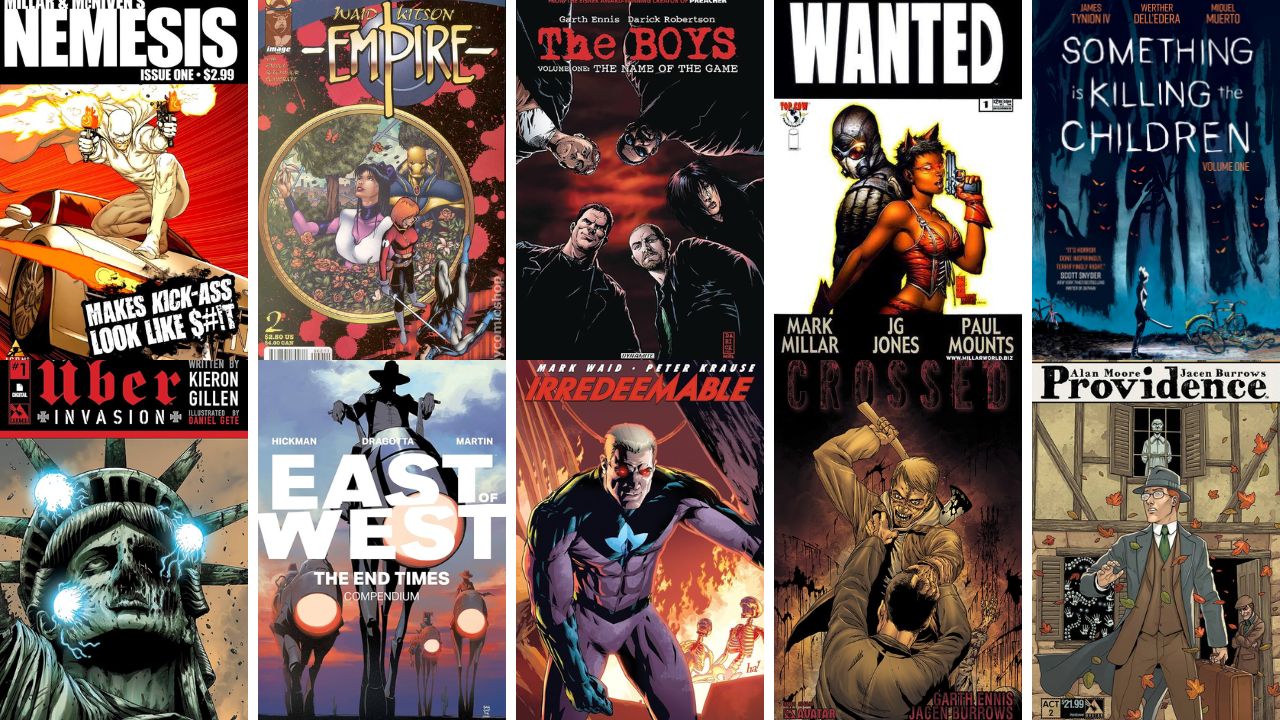
In most superhero stories, the formula feels almost sacred: evil rises, heroes struggle, and eventually justice prevails. Readers close the final page with the reassuring sense that good has triumphed. But Indie Comics have never been particularly interested in following comfortable formulas. One of the defining strengths of indie storytelling is creative freedom. Without the burden of decades-long corporate continuity or the obligation to protect iconic characters, independent creators can take narrative risks that mainstream publishers rarely attempt. That freedom often leads to bold storytelling choices—including narratives where the hero fails and the villain actually wins in the end.
These darker conclusions can be unsettling, tragic, or even strangely satisfying. They remind readers that not every battle ends with justice restored and that power, corruption, and human weakness can sometimes prevail. In many Indie Comics, the moment when the villain actually wins in the end becomes a powerful storytelling device, forcing audiences to rethink what victory and morality really mean. The following stories showcase ten unforgettable indie comics where the villain walks away triumphant, leaving behind endings that linger long after the final page is turned.
10 Indie Comics Where the Villain Actually Wins in the End
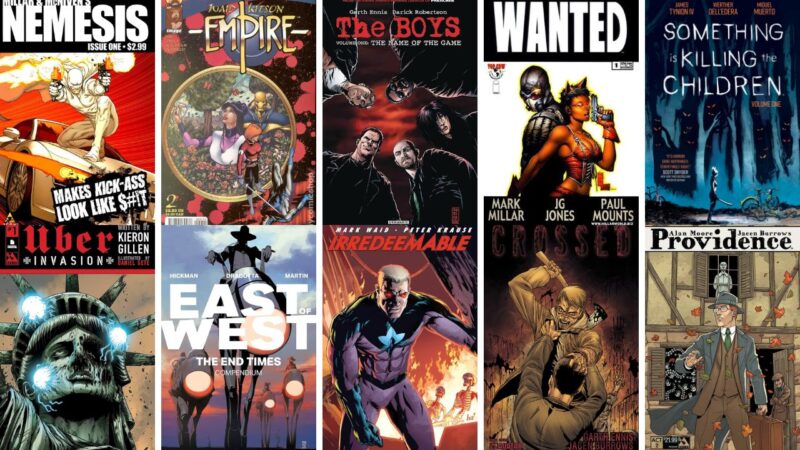
Empire (2000)
Most comics build toward the villain’s defeat. Empire flips that idea on its head immediately. When the story begins, the war is already over. The world’s greatest heroes have been defeated, and a ruthless dictator named Golgoth now rules the planet with an iron fist. The entire premise revolves around a terrifying “what if”: what happens after the villain wins?
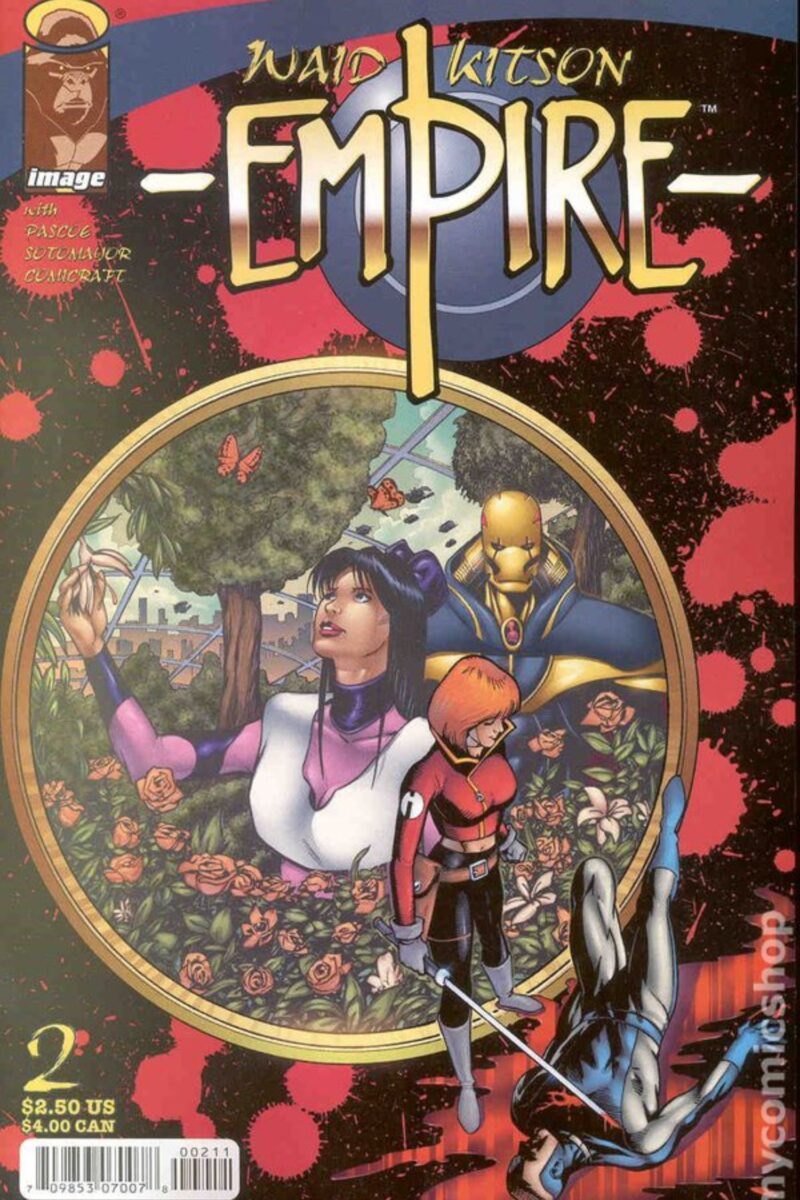
Rather than focusing on rebellion or redemption, the series dives into Golgoth’s empire itself. His ministers fear him, his enemies hide in the shadows, and the world exists under totalitarian control. Golgoth rules through manipulation, political pressure, and a powerful drug used to ensure loyalty among his inner circle. It becomes a chess game of paranoia, betrayal, and ambition as ministers plot against him and the empire slowly begins to fracture from within.
Nemesis (2010)
If Batman were a villain with unlimited wealth and absolutely no moral code, you’d get Nemesis. The comic follows a brilliant, sadistic criminal mastermind who targets law enforcement across the world for sport. His primary opponent is Chief Inspector Blake Morrow, an honest cop trying desperately to stop the unstoppable.
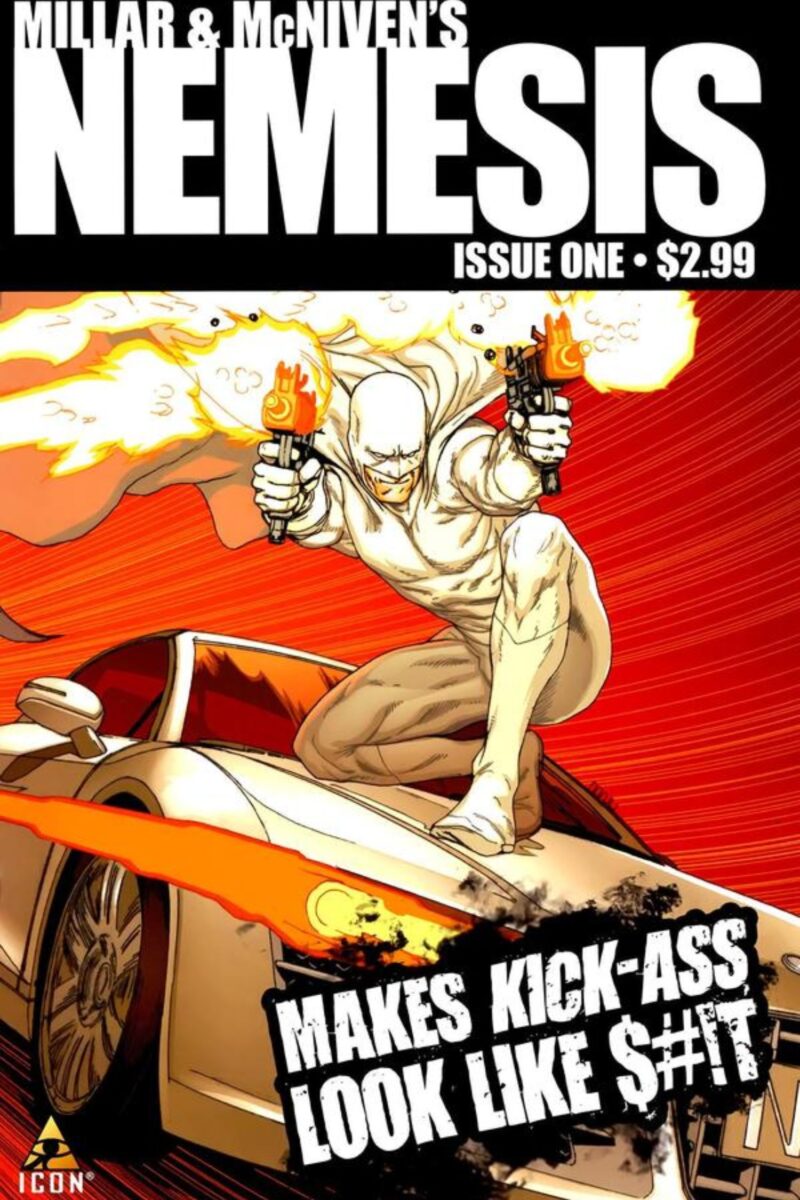
Nemesis treats crime like an elaborate game, engineering massive disasters and manipulating events simply for entertainment. The scale of destruction grows with every move he makes, leaving chaos in his wake. Even when the hero appears to gain ground, the story reveals something far more disturbing—that Nemesis represents a kind of evil that thrives on power, wealth, and absolute freedom from consequences.
Irredeemable
Superhero stories often revolve around hope, but Irredeemable asks a brutal question: what if the world’s greatest hero suddenly turned against humanity? The series begins with the Plutonian, a Superman-like figure, launching a devastating attack on the very people he once protected. Cities fall, teammates are murdered, and governments collapse under the weight of his rage.
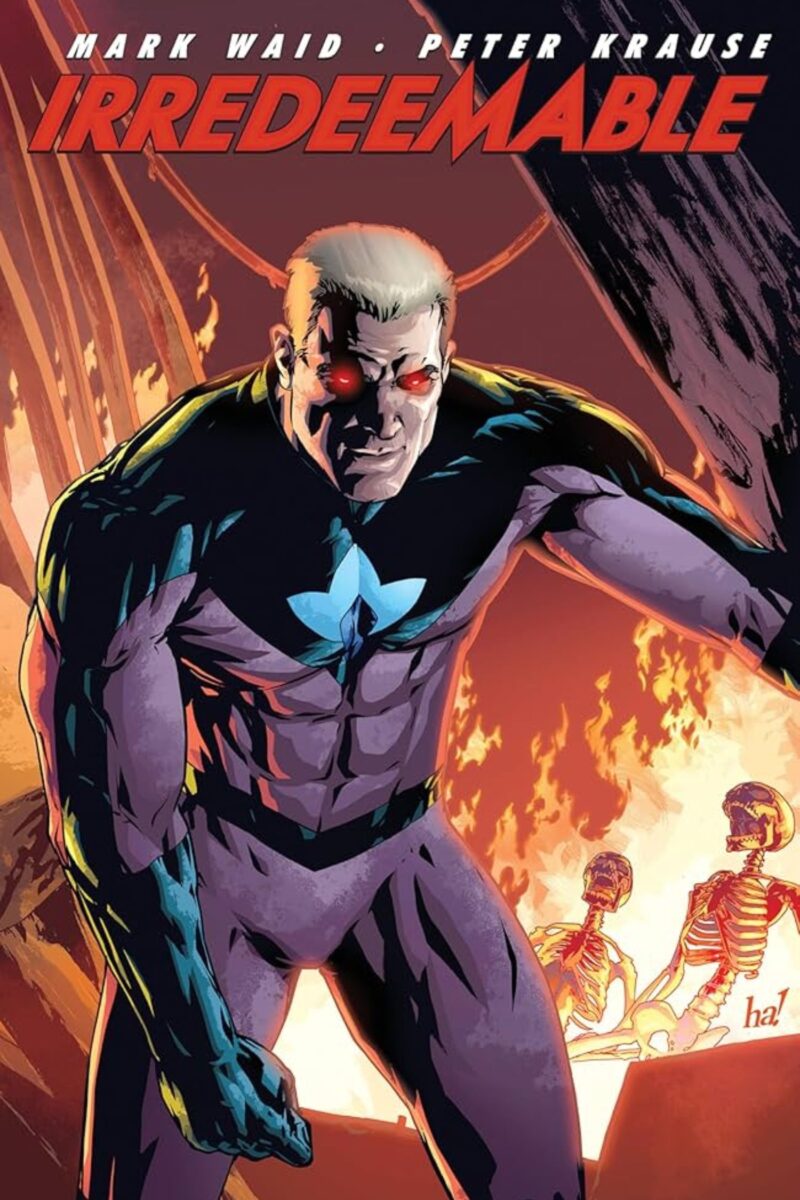
Unlike traditional villains, the Plutonian isn’t evil from the start. He is broken by years of pressure, loneliness, and emotional instability. Once that breaking point arrives, the damage becomes unstoppable. The remaining heroes attempt to resist him, but the deeper the story goes, the clearer it becomes that no one can truly defeat someone with godlike power and nothing left to lose.
The Boys
Before becoming a television phenomenon, The Boys stood as one of the harshest critiques of superhero culture ever written. In this world, superheroes are not noble protectors but corporate products managed by powerful companies. Their public image is carefully crafted, hiding corruption, recklessness, and abuse of power.
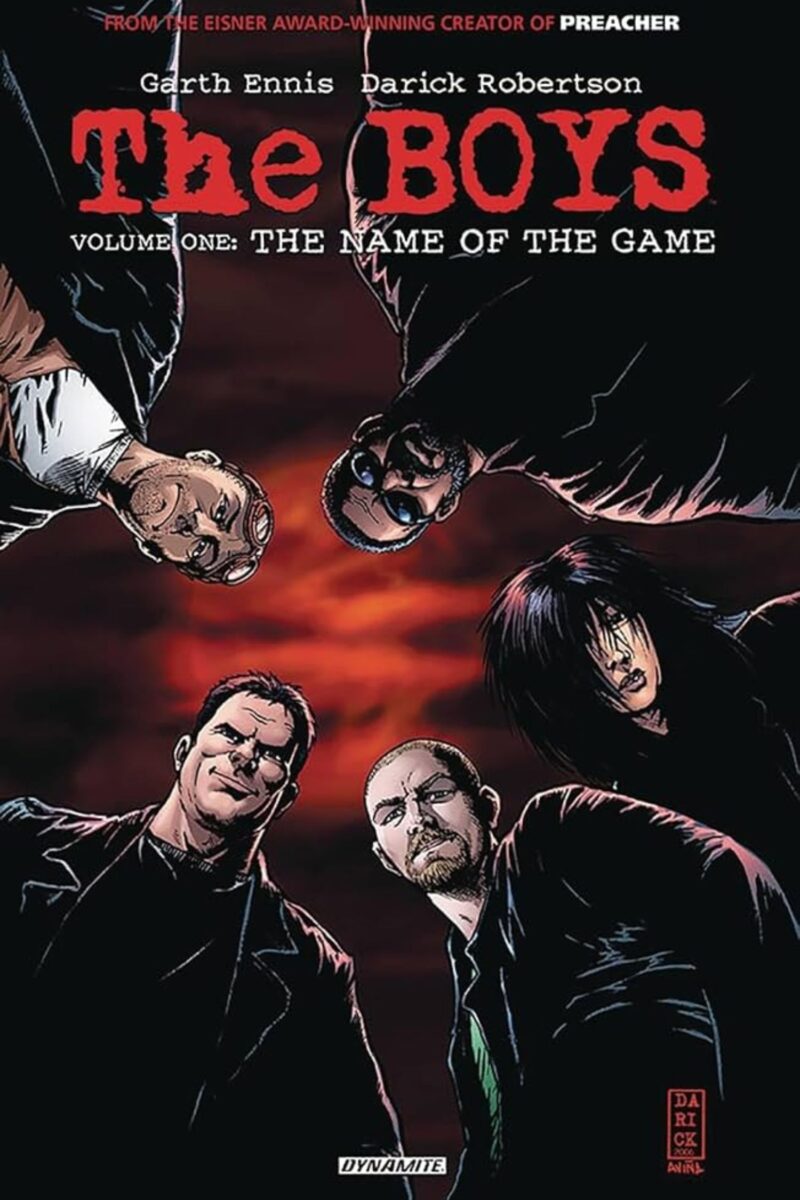
The story follows a CIA-backed group assigned to monitor and control these superhumans. As the narrative unfolds, readers discover that corruption runs through every layer of society, from corporations to governments. Even when the heroes fight back, the damage caused by unchecked power has already reshaped the world in ways that cannot easily be undone.
Crossed
Few comics push horror as far as Crossed. The premise begins with a mysterious virus that spreads across the world, transforming people into violent sadists driven by their darkest impulses. Civilization collapses almost immediately as the infected unleash chaos on a global scale.
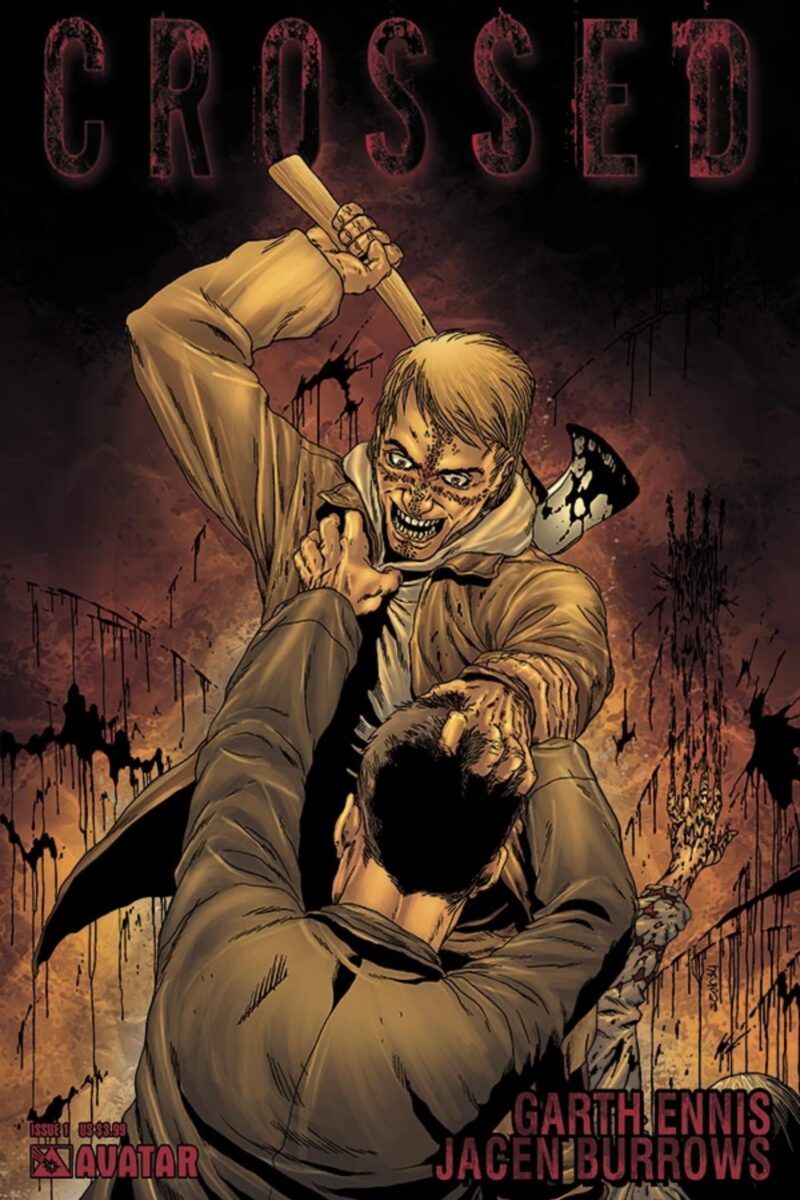
The survivors struggle to navigate this nightmare, searching for safety in a world that has lost all sense of morality. But hope rarely lasts long in the pages of this series. Time and again, characters fight desperately to survive, only to face inevitable defeat. The virus spreads relentlessly, and humanity’s darkest instincts ultimately overwhelm any attempt at rebuilding society.
Wanted
Most people know Wanted because of its film adaptation, but the original comic tells a much darker story. The protagonist, Wesley Gibson, begins as a miserable office worker who believes his life has no purpose. Everything changes when he discovers a hidden truth about the world.
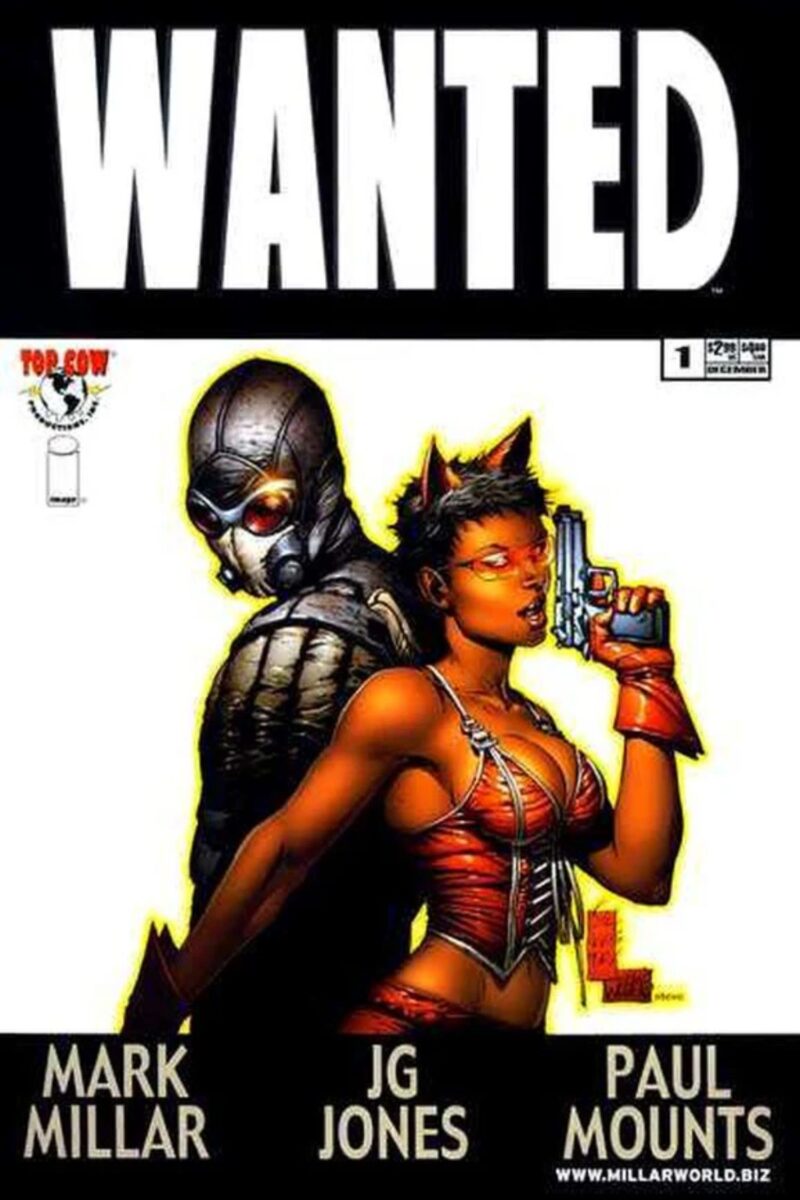
Supervillains secretly united decades ago, defeated every superhero, and erased them from history. The world now belongs entirely to criminals operating in secret. Wesley is recruited into this society and slowly embraces his new identity, transforming from powerless victim into one of the very villains controlling the planet.
Something Is Killing the Children
This modern horror comic quickly gained attention for its haunting atmosphere and brutal storytelling. The series follows Erica Slaughter, a mysterious monster hunter who arrives in small towns plagued by horrific child murders. Her mission is simple: find the monsters responsible and destroy them.
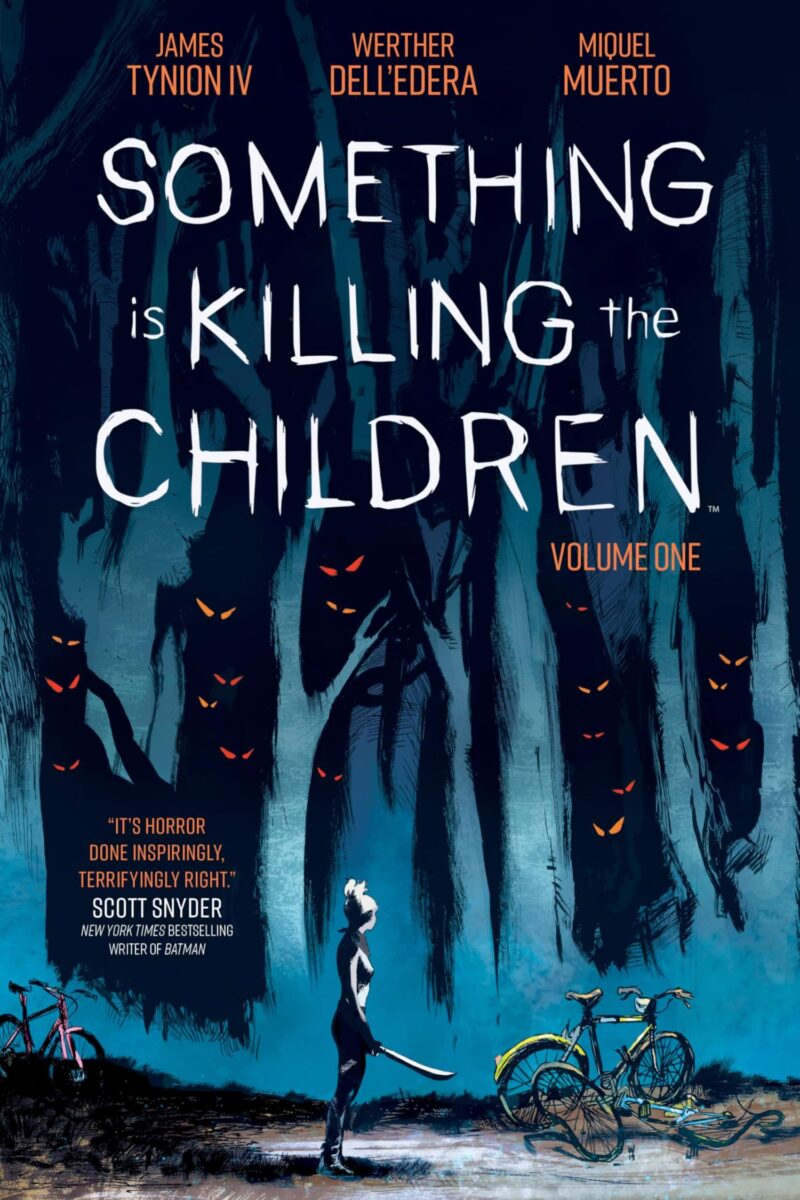
Yet the deeper the story goes, the more unsettling the truth becomes. The secret organization that hunts monsters doesn’t eliminate the threat entirely; it merely manages it. Entire communities suffer devastating losses before the danger is contained. The monsters may not win every confrontation, but they never disappear, leaving a constant sense of dread hanging over the world.
Uber
Kieron Gillen’s Uber reimagines the final days of World War II through the introduction of superpowered “Panzermensch”. The series is a “simulation” of how power levels would realistically interact with historical logistics, devoid of the optimistic tropes of heroic fiction.
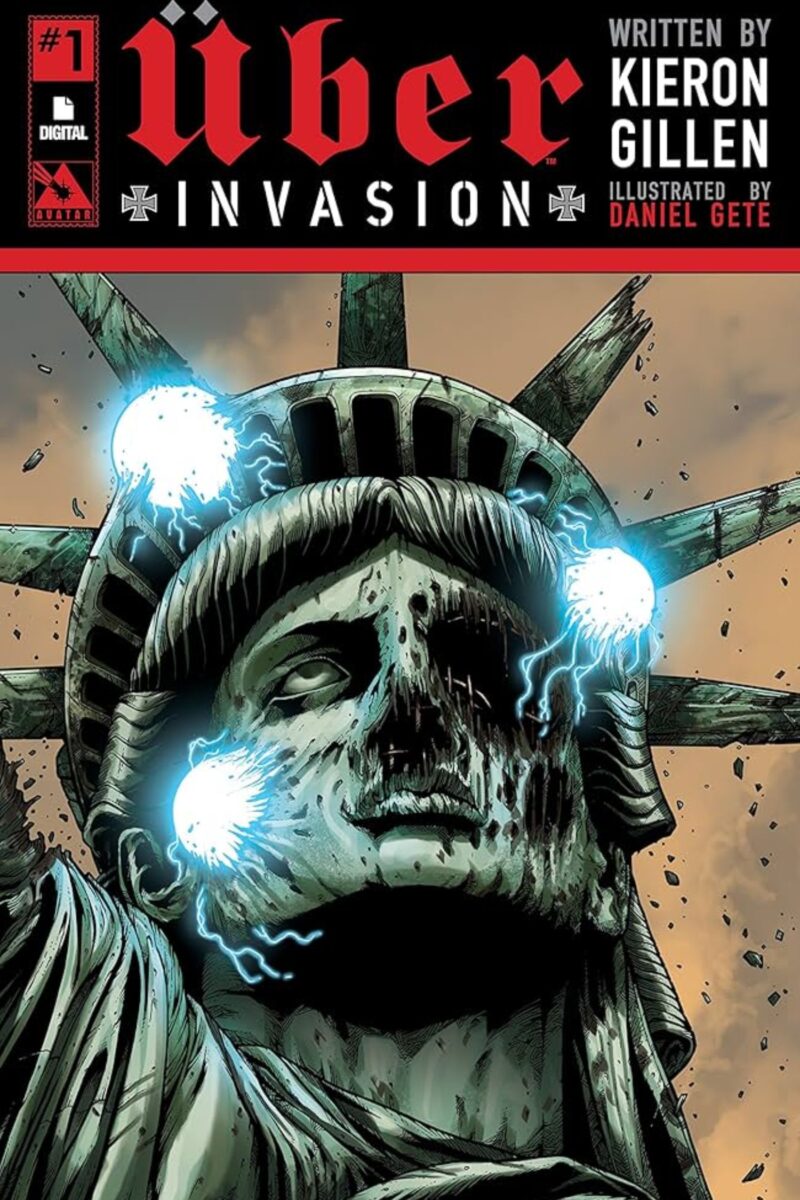
The “Ubers” in the story are not costumed heroes but human atomic bombs with serial numbers. The victory of the villain in Uber is the successful prolongation and escalation of World War II. When the Reich is on the verge of collapse in 1945, the deployment of Battleship-class Ubers prevents the Allied victory, leading to a new cycle of global destruction.
The series, which remains on a cliffhanger after the Uber: Invasion cycle, leaves the world in a state of terminal decline. The “victory” is the realization of the “Wunderwaffen” fantasy—a miracle weapon that saves the dying Reich, not by creating peace, but by taking the entire world down with it into a “seething mess” of annihilation.
East of West
Jonathan Hickman’s East of West blends science fiction, western imagery, and biblical prophecy into a sprawling epic. The world is divided into rival factions competing for power in a fractured version of America. Beneath this political conflict lies an even greater threat.
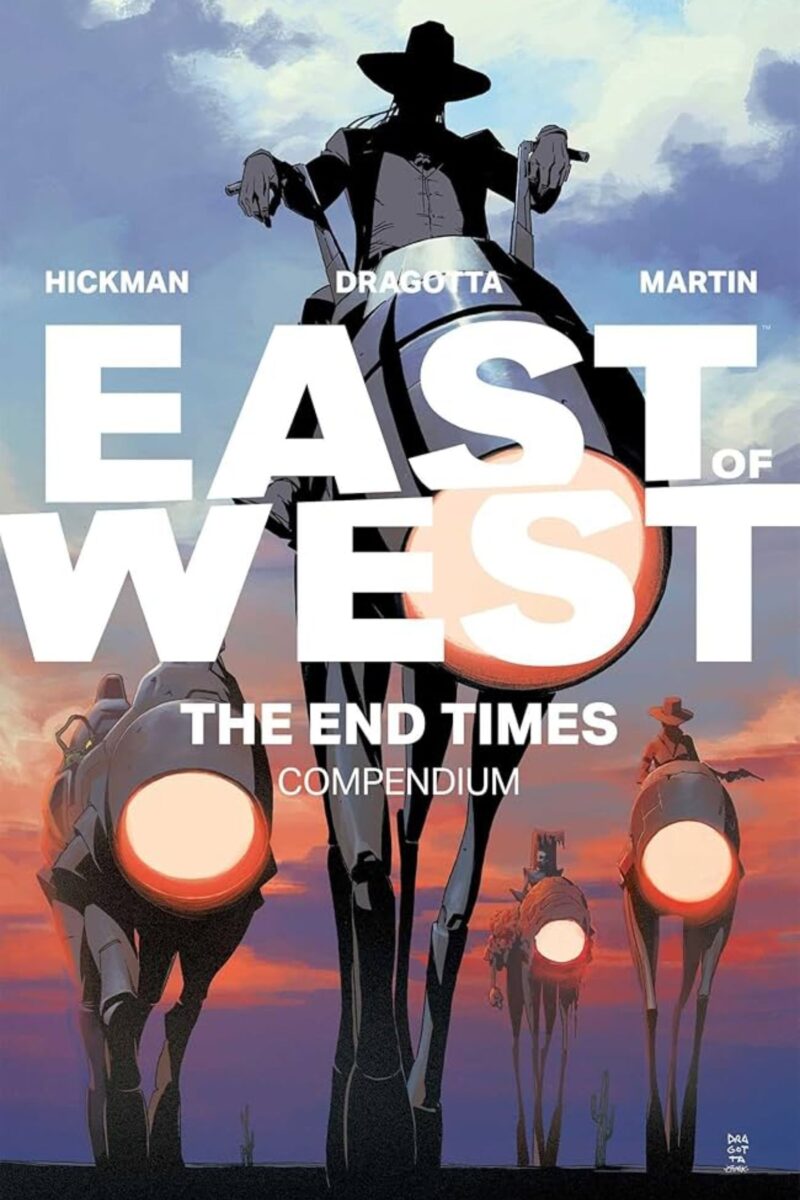
The Four Horsemen of the Apocalypse have arrived, signaling the beginning of humanity’s final chapter. Characters across the series struggle to prevent the prophecy from unfolding, forming uneasy alliances and betraying one another in desperate attempts to control the future. Yet the closer they come to stopping the apocalypse, the clearer it becomes that destiny may be impossible to escape.
Providence
Providence is a slow-burn horror story inspired by the cosmic mythology of H. P. Lovecraft. The narrative follows journalist Robert Black as he travels through New England investigating strange occult mysteries and hidden cults.
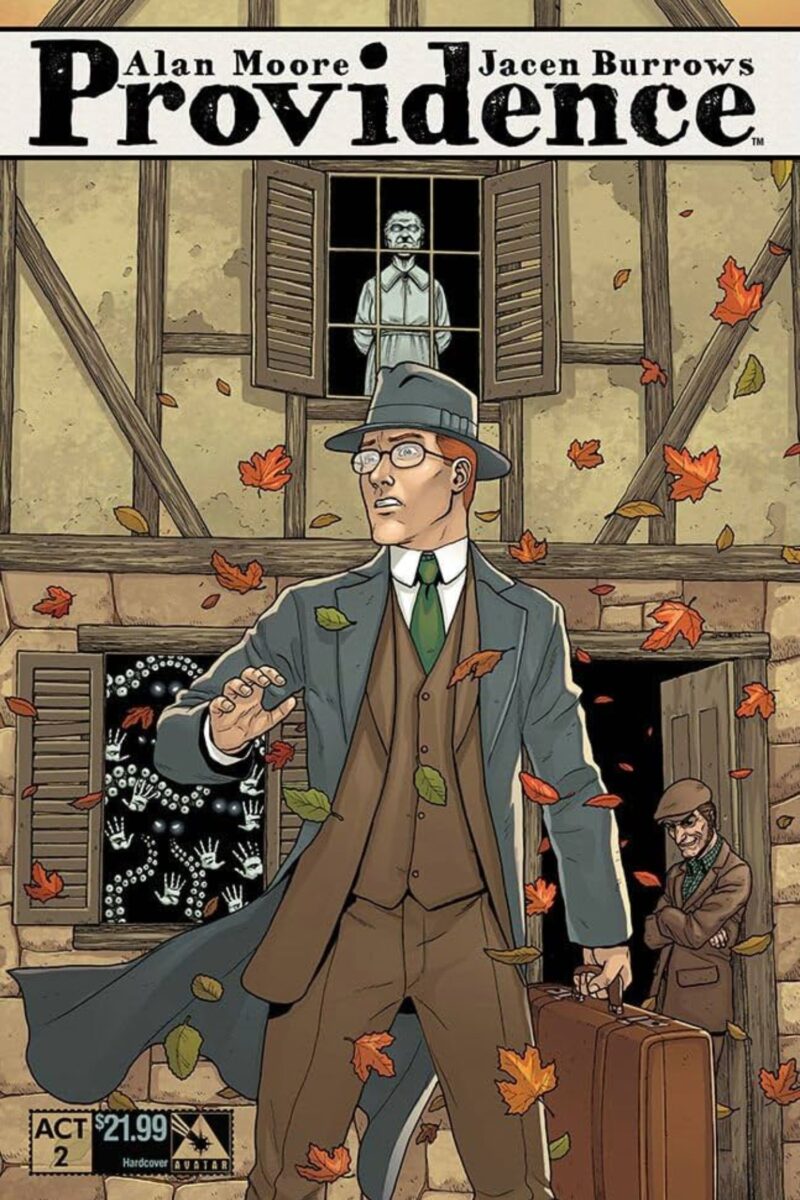
At first, these events seem disconnected, but gradually they reveal a terrifying pattern. Black unknowingly becomes part of a much larger cosmic design, one that leads toward the awakening of ancient entities beyond human understanding. By the time the truth emerges, humanity is already on the brink of transformation.