

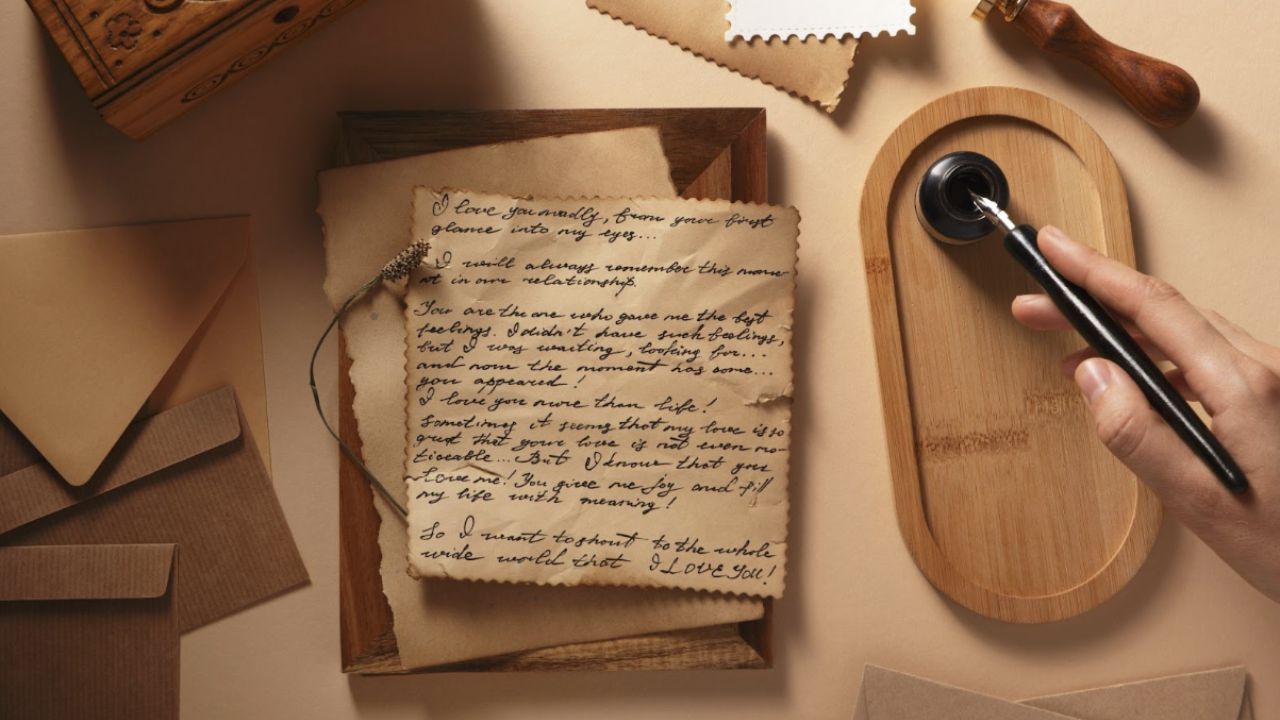
At first glance, epistolary novels might seem like a relic of the past. After all, the form is rooted in letters—something many people rarely write anymore. Yet surprisingly, this storytelling style is experiencing a strong Comeback in the digital age.
In a time dominated by text messages, emails, and social media posts, stories told through personal communications feel more relevant than ever. What once appeared old-fashioned now feels uncannily modern.
To understand why epistolary fiction is thriving again, it helps to look at what makes the form so powerful—and why today’s readers are rediscovering it.
What Is an Epistolary Novel?
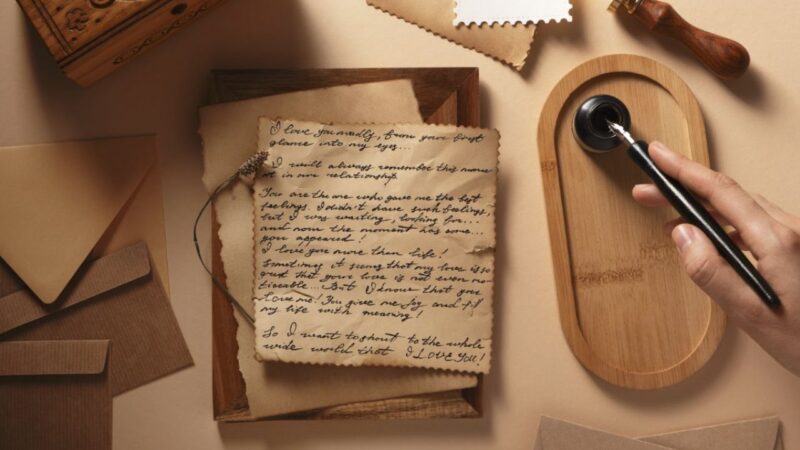
An epistolary novel is a story told through documents written by the characters themselves—typically letters, but also diaries, newspaper clippings, or other personal records. Instead of relying on a traditional narrator, the narrative unfolds through these pieces of communication. The reader essentially becomes a silent observer, piecing together the plot from what the characters write.
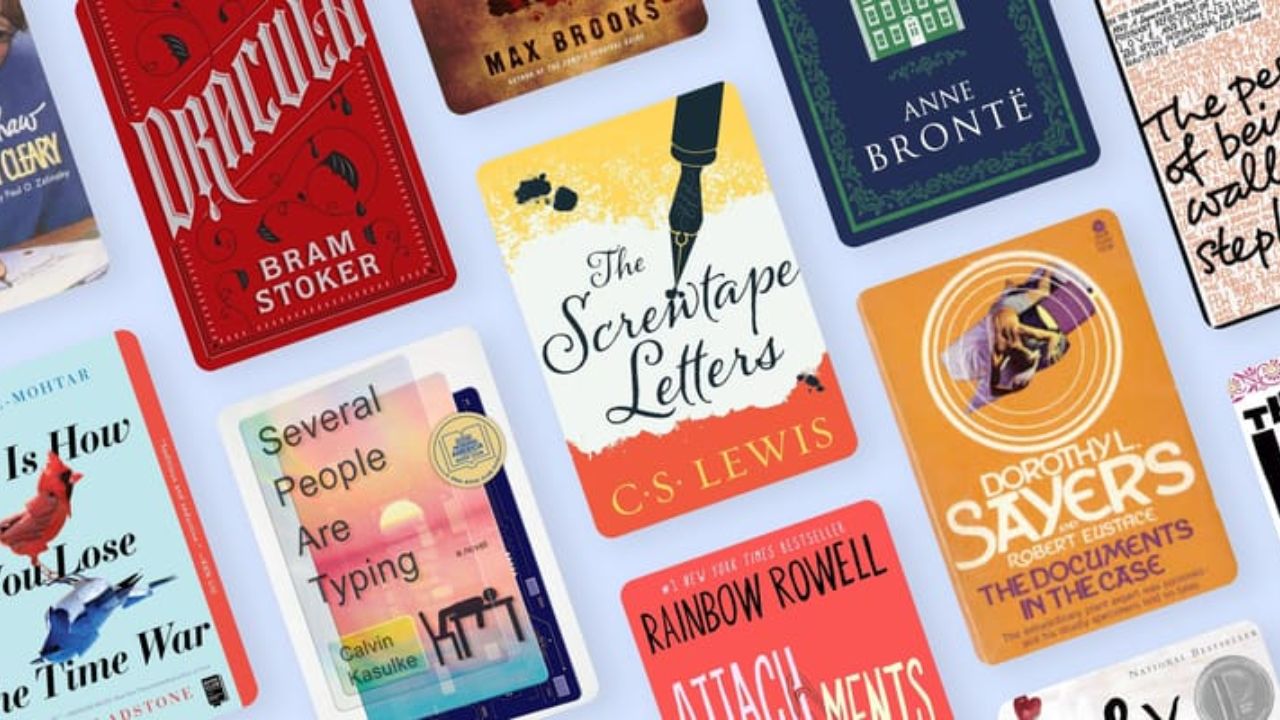
Classic examples of this format include works like Dracula, which tells its story through letters, diary entries, and newspaper reports from multiple characters. The structure creates a distinctive reading experience. Rather than watching events from afar, readers feel as if they’re discovering a stack of personal documents that reveal the truth little by little.
A Genre With Deep Literary Roots
Epistolary storytelling is far from new. The format traces its origins back to ancient Greek and Roman literature, where fictional letters were used to convey narratives and personal perspectives.
By the 18th and 19th centuries, the genre had become immensely popular. Writers discovered that letters allowed characters to speak directly in their own voices, creating a sense of realism and emotional intensity that traditional narration sometimes lacked.
Some famous works that used the format include:
- Clarissa by Samuel Richardson
- Dracula by Bram Stoker
- The Color Purple by Alice Walker
- The Perks of Being a Wallflower by Stephen Chbosky
In these stories, the fragmented narrative structure encourages readers to assemble the truth themselves, making the experience more interactive and immersive.
Yet for much of the late twentieth century, epistolary fiction seemed to fade from mainstream popularity—until the digital age began reshaping how people communicate.
The Digital Age Changed How We Communicate
Ironically, the revival of epistolary fiction coincides with the decline of handwritten letters.
Modern communication rarely arrives on paper. Instead, conversations unfold through:
- Emails
- Text messages
- Social media posts
- Chat logs
- Voice transcripts
- Online forums
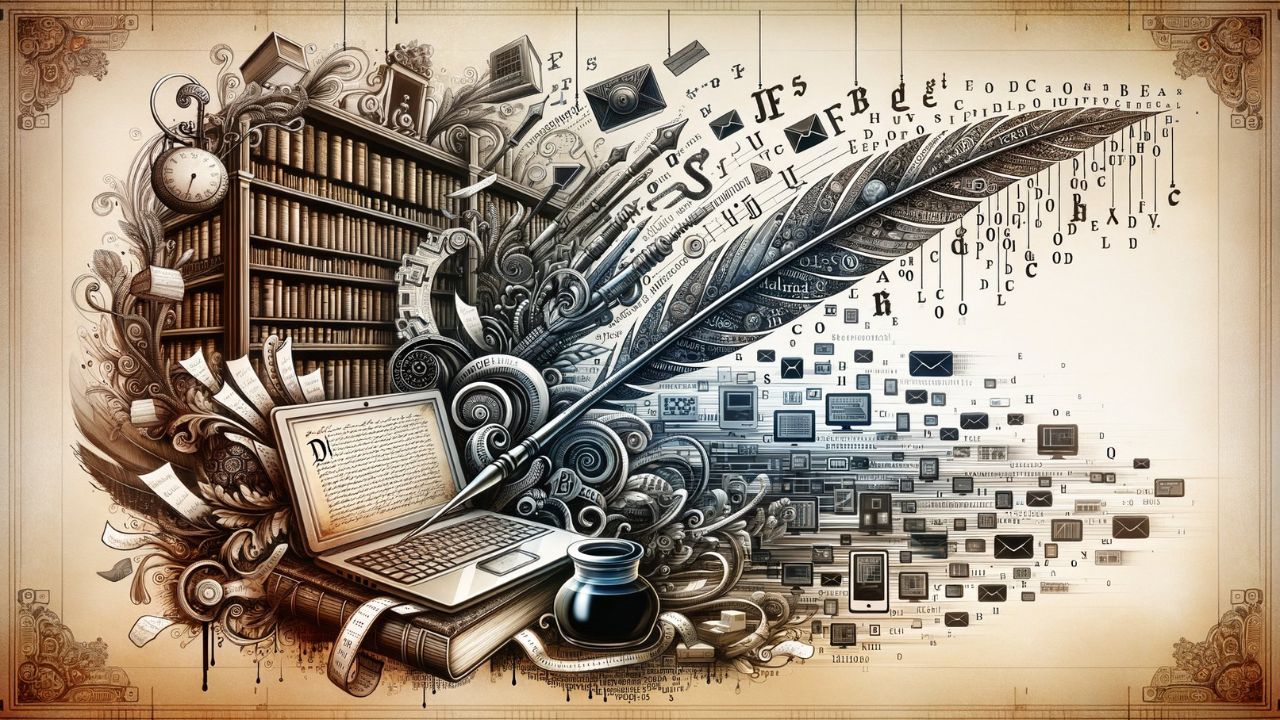
This shift has expanded the possibilities of epistolary storytelling. Today’s novels can include screenshots, email chains, message threads, and digital documents as part of the narrative.
What once relied solely on letters has evolved into something far broader—a storytelling method that mirrors the way people actually communicate today.
In other words, the epistolary form didn’t disappear. It simply adapted.
Readers Crave Authentic Voices
One reason epistolary novels feel so compelling is their intimacy. When a story is told through letters or messages, the reader encounters characters in their most personal moments. These communications often feel raw, private, and emotionally honest.
Instead of polished narration, readers encounter:
- Confessions
- Secrets
- Frustrations
- Personal reflections
This immediacy creates a sense of authenticity that many modern readers find refreshing. Because the narrative is built from first-person documents, characters often feel more real—almost as if their voices are speaking directly to the reader.
The Format Builds Suspense Naturally
Another advantage of epistolary storytelling is how naturally it creates suspense. In traditional novels, an omniscient narrator may reveal too much too quickly. But epistolary narratives are fragmented. Each letter or message reveals only part of the story. This structure encourages curiosity.
Readers might encounter:
- A missing letter
- A contradictory account
- A delayed response
- An incomplete message
These gaps invite the audience to piece together what really happened. In many ways, reading an epistolary novel feels like solving a mystery.
It Mirrors How We Experience Stories Online
Think about how information spreads on the internet.
People rarely receive a complete narrative in one place. Instead, they piece together events through:
- Tweets
- Messages
- News updates
- Screenshots
- Posts from different people
This fragmented experience closely resembles the structure of epistolary storytelling. When readers encounter a novel built from digital communication—emails, chat logs, or social media posts—it feels instantly familiar. The format reflects the rhythm of modern life.
Stories told this way often feel more immersive because they mimic the way we already process information every day.
Epistolary Stories Encourage Reader Participation
One of the biggest strengths of the genre is how it invites readers to participate in the story. Because the narrative is assembled from multiple documents, readers must interpret what they see.
They begin asking questions like:
- Who is telling the truth?
- What information is missing?
- Why did this character write this message?
- What happened between these entries?
The reader becomes an investigator. That sense of participation makes epistolary fiction especially engaging, particularly for audiences accustomed to interactive media and online storytelling.
Social Media Has Reintroduced Serial Storytelling
Another reason for the genre’s resurgence lies in serialized storytelling. In the past, many epistolary novels were published in installments. Readers would receive new letters or diary entries over time, gradually revealing the plot. Digital platforms are perfect for this approach.
Today, stories can unfold through:
- Daily email newsletters
- Social media threads
- blog posts written from a character’s perspective
These formats recreate the anticipation that readers once felt when waiting for the next installment of a serialized novel. The digital environment has essentially revived an old storytelling tradition using new technology.
Writers Love the Creative Freedom
From a writer’s perspective, epistolary fiction offers enormous creative flexibility.
The format allows authors to experiment with:
- Multiple narrators
- Unreliable storytellers
- Mixed media documents
- Nonlinear timelines
A character’s personality can even be revealed through how they write—the tone of their messages, the details they include, or the things they avoid saying. Because each document reflects the voice of its writer, epistolary novels often feel dynamic and layered.
Instead of one narrative voice, readers encounter an entire network of perspectives.
The Emotional Power of Personal Communication
Perhaps the most important reason for the genre’s comeback is emotional resonance. Letters, emails, and messages capture moments of vulnerability in a way few other narrative forms can.
Think about the emotional weight of reading:
- A goodbye letter
- A desperate message
- A diary entry written in fear
- An unsent email draft
These forms of communication feel deeply human. Even in an era dominated by technology, people still turn to written messages when expressing their most personal thoughts. Epistolary novels tap into that emotional truth.
The Oldest Form of Storytelling Feels New Again
In many ways, the resurgence of epistolary fiction proves that storytelling techniques rarely disappear—they simply evolve. What once appeared outdated has become newly relevant. The format that once relied on handwritten letters now thrives through digital communication.
And in a world filled with texts, emails, and online conversations, stories told through personal messages feel closer to reality than ever. The epistolary novel has survived centuries of literary change because it captures something timeless: the human urge to tell our stories directly to someone else. And in the digital age, that urge has only grown stronger.












Leave a comment