
Manga and Western comics have long been popular forms of visual storytelling, but their differences extend far beyond just art styles or reading directions. Each medium reflects the unique cultural, artistic, and narrative traditions of its origin, appealing to different audiences worldwide. Let’s learn How Manga Differs from Traditional Western Comics and how they cater to their respective readers.
Art Style: A Tale of Two Aesthetics
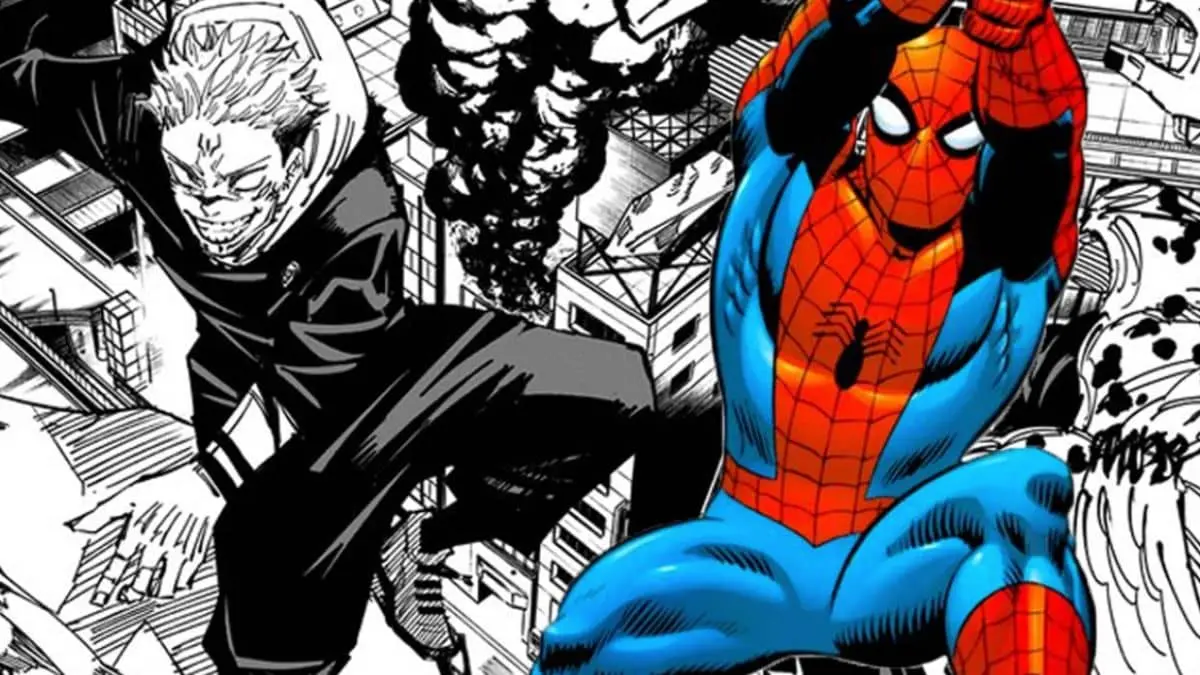
One of the most apparent differences between manga and Western marvel-knights-punisher-2025-1-frank-castles-nightmare/”>Comics lies in their art styles. Manga often employs a minimalist approach with black-and-white illustrations, emphasizing clean lines, detailed character designs, and exaggerated facial expressions to convey emotions. For example, the expressive eyes in manga like Sailor Moon or Naruto highlight characters’ inner thoughts and feelings, enhancing the emotional depth.
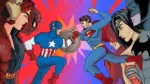
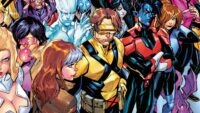
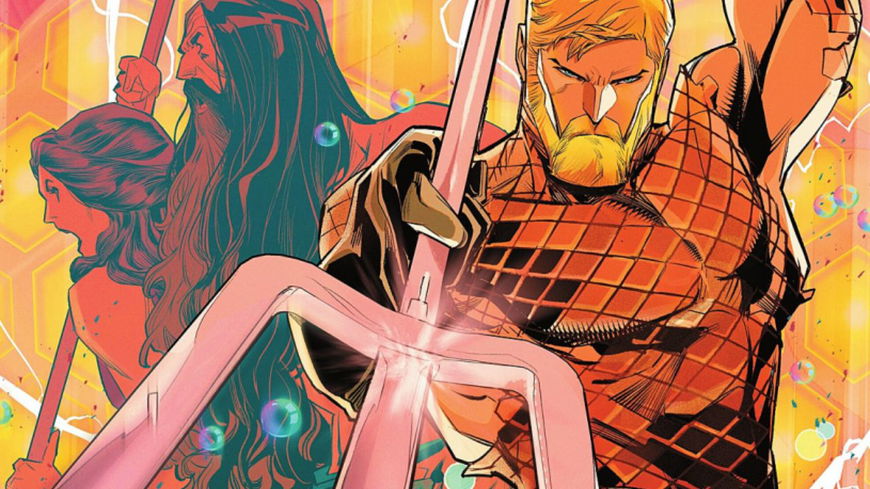
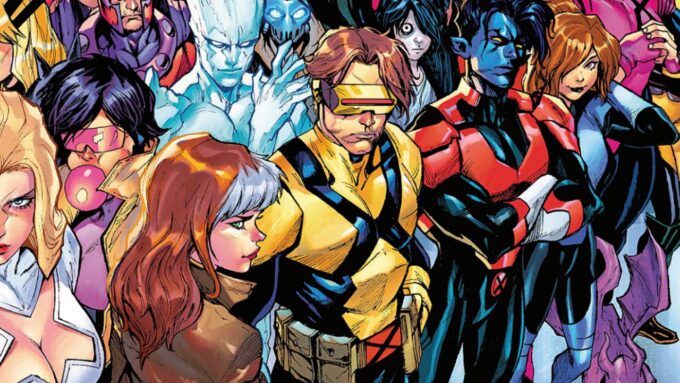
Western Comics, on the other hand, tend to favor colorful, dynamic visuals with a focus on realism and action. Comics like Spider-Man or Batman feature intricate color work and shading to bring their characters and worlds to life. While manga’s art can feel intimate and personal, Western comics’ bold visuals often aim to create a cinematic experience.
Format and Structure: Episodic vs. Serialized
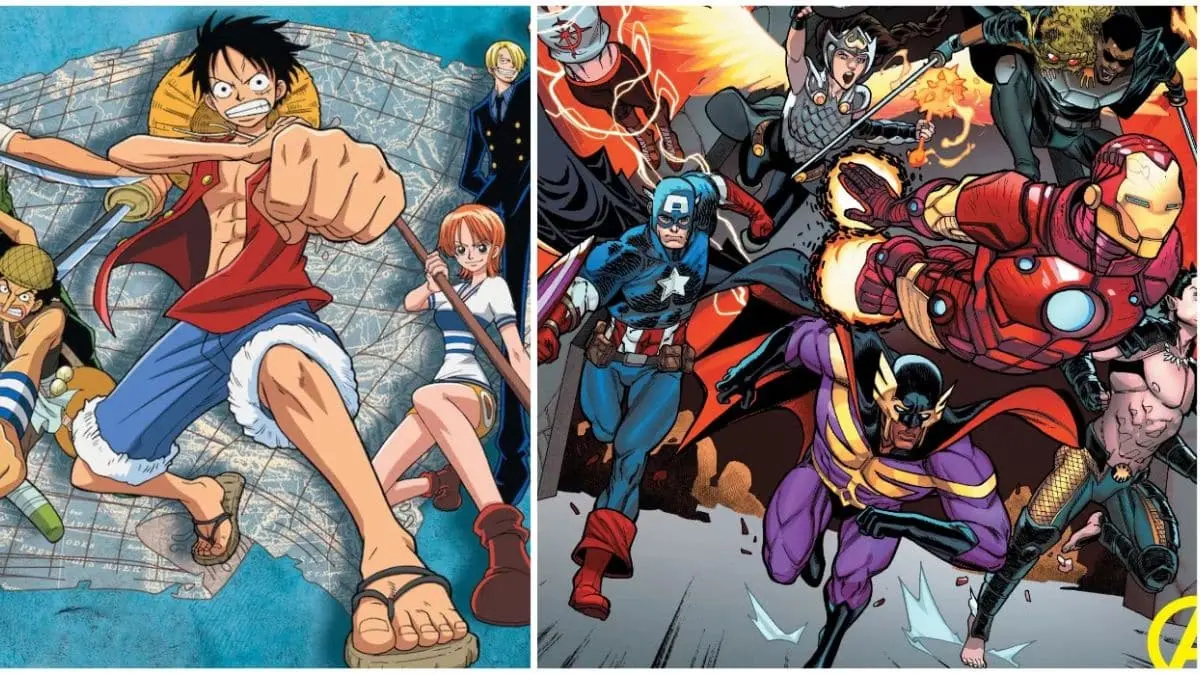
Manga is typically serialized in weekly or monthly magazines like Shonen Jump or Young Magazine before being collected into tankōbon (volumes). This structure allows for long, continuous storytelling that can span hundreds of chapters, such as One Piece or Attack on Titan. Readers often invest deeply in these narratives, following characters over years as they grow and change.
Western marvel-knights-punisher-2025-1-frank-castles-nightmare/”>Comics are often released as single issues, usually containing self-contained stories or smaller arcs that tie into a larger series. Titles like The Avengers or Wonder Woman are designed for readers to jump in at various points without requiring them to follow an extensive backstory. This episodic approach caters to a more casual reading experience.
Themes and Genres: A Wider Canvas in Manga
Manga offers an expansive range of genres and themes, from action-packed shōnen (My Hero Academia) to romantic shōjo (Fruits Basket), and from mature seinen (Berserk) to slice-of-life comedies (Yotsuba&!). There’s a manga for virtually every demographic, including niche topics like cooking (Food Wars!), sports (Haikyuu!!), or even business (Salaryman Kintaro).
Western comics traditionally focus on superhero stories, such as those published by Marvel and DC. While independent publishers like Image Comics and Dark Horse Comics have expanded into genres like horror (The Walking Dead) and fantasy (Saga), superheroes remain the dominant theme. This focus reflects a cultural fascination with heroism and larger-than-life characters.
Reading Direction: Right-to-Left vs. Left-to-Right
Manga retains the traditional Japanese reading order: right-to-left and top-to-bottom. This directionality can feel unconventional to Western readers initially, but it’s an integral part of the manga-reading experience. Publishers often provide guides to help new readers adapt.
In contrast, Western comics follow the left-to-right reading direction common in English-language literature. This format aligns with Western storytelling norms, making it instantly accessible to readers familiar with the language.
Target Audiences: Who’s Reading?
Manga and Western comics target different audiences, reflecting cultural and societal values. Manga often categorizes its works by specific demographics:
- Shōnen: Targeting young males with themes of friendship, perseverance, and adventure (Dragon Ball Z).
- Shōjo: Aimed at young females, focusing on romance and emotional growth (Cardcaptor Sakura).
- Seinen: Catering to adult men with darker, more complex narratives (Monster).
- Josei: For adult women, often exploring realistic relationships (Nana).
Western comics, particularly those from Marvel and DC, historically targeted a male audience, though this has shifted in recent years with titles like Ms. Marvel and Batgirl appealing to a broader demographic. Independent publishers have also diversified offerings, providing stories that resonate with women, minorities, and LGBTQ+ readers.
Narrative Style: Continuous Growth vs. Status Quo
Manga often emphasizes character development and finite story arcs. Protagonists grow, age, and evolve, as seen in Naruto or Fullmetal Alchemist. The stories usually have a definitive end, creating a satisfying journey for readers.
Western comics often maintain a status quo, particularly in superhero narratives. Iconic characters like Superman or Wolverine rarely experience permanent changes, allowing their stories to remain accessible to new generations. This approach prioritizes longevity over finite storytelling.
Cultural Influence: Reflecting Societal Norms
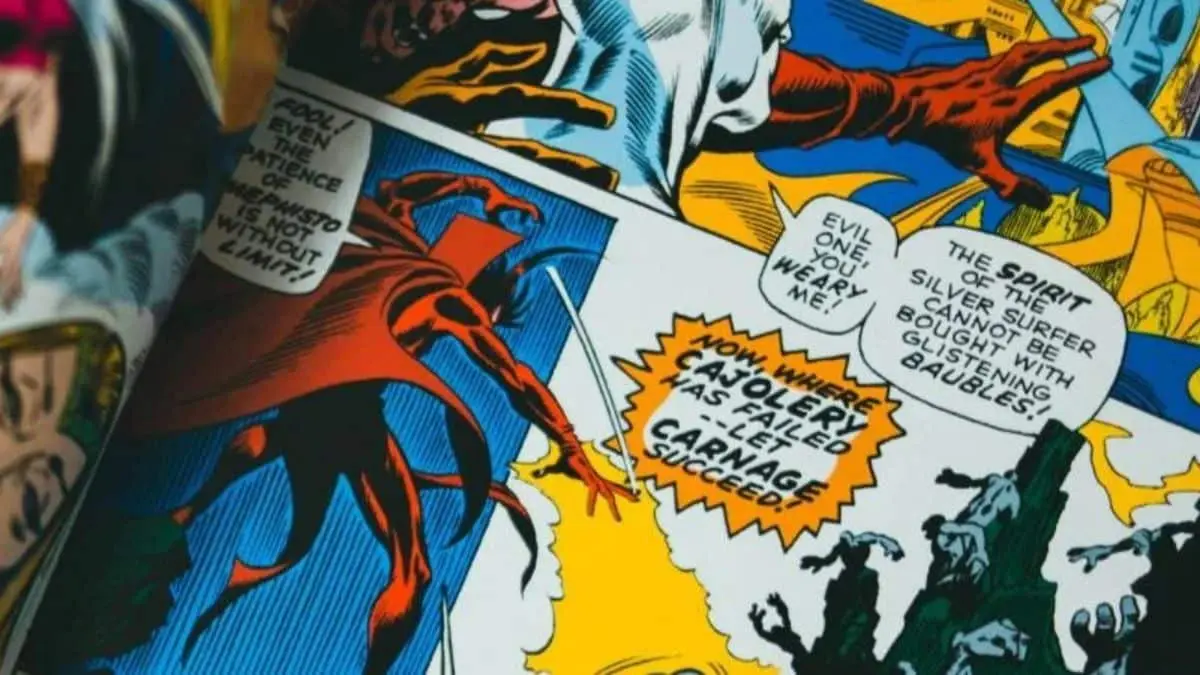
Manga often incorporates Japanese cultural elements, from food and festivals to societal norms and traditions. This cultural specificity allows international readers to glimpse Japanese life, while also resonating deeply with local audiences.
Western comics, influenced by American culture, often explore themes of justice, individualism, and the triumph of good over evil. Titles like X-Men tackle social issues such as discrimination and prejudice, reflecting contemporary societal debates.
Also Read: How Marvel and DC Comics Compete in Modern Times