


The Earth, our cherished abode in the vast cosmos, is in perpetual motion. It spins on its axis, hurtling through the depths of space at an astonishing speed. Yet, for all this cosmic ballet, we humans, the inhabitants of this celestial orb, don’t perceive the Earth’s spin in our everyday lives. This intriguing phenomenon has bewildered and fascinated generations of curious minds, prompting profound questions about why we can’t feel the Earth’s relentless rotation beneath our feet. In this article we will uncover the fascinating reasons why our planet’s spin remains imperceptible to us.
The Earth’s Mysterious Invisibility
At first glance, it might seem paradoxical that we don’t sense the Earth spinning. After all, we dwell upon its surface, and if the Earth were truly spinning at the breakneck speed it does (at approximately 1,000 miles per hour or 1,600 kilometers per hour at the equator), shouldn’t we be keenly aware of this dizzying rotation? The answer to this intriguing question lies in the profound principles of physics and the intricacies of our planet’s motion.
Inertia: The Silent Force
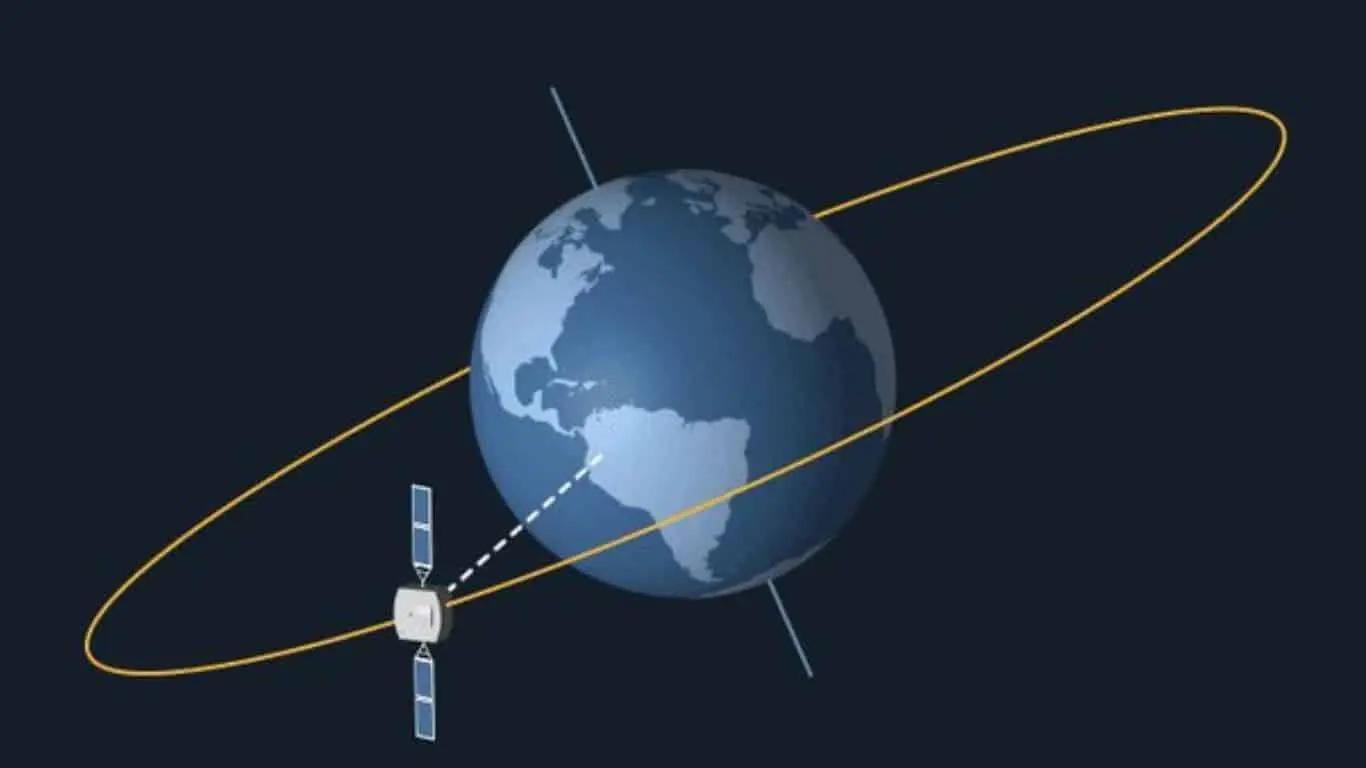
One of the fundamental phenomena at play here is inertia. Inertia is the inherent property of an object to remain at rest or in uniform motion unless acted upon by an external force. Think of a scenario where you’re cruising in a moving car, and suddenly, the car comes to an abrupt halt. Your body continues to move forward due to its inertia, which is why you instinctively reach for your seatbelt – it’s designed to counteract your inertia and keep you safe.
Similarly, the Earth’s atmosphere, vast oceans, and everything on its surface are all in motion together with the planet due to inertia. When you’re standing on the Earth’s surface, you’re essentially moving in concert with the Earth’s rotation at the same speed. There’s no sudden change in your state of motion, and hence, you don’t feel the Earth’s spin. In essence, the Earth’s rotation and everything on its surface are like a smoothly gliding train, and you, as a passenger, move along with it seamlessly.
The Lack of a Cosmic Reference Point
Another crucial reason why we don’t perceive the Earth’s spin is the absence of a cosmic reference point in space. To detect motion, you typically need something stationary relative to you. When you’re on a spinning amusement park ride, for instance, you can feel the motion because you have a reference point – the stationary ground and the spinning ride. In the case of the Earth, there’s no external frame of reference in space. Everything on the Earth’s surface, including the atmosphere, is engaged in the same rotational dance as the planet itself. Therefore, there’s nothing “fixed” for us to observe the motion against. Our senses rely on relative motion, and when everything around us is in motion together, we don’t perceive it as motion at all.
Earth’s Gravitational Embrace
The Earth’s gravitational pull also plays a pivotal role in concealing its spin. Gravity is the force that keeps us firmly anchored to the Earth’s surface. It acts consistently on all objects regardless of their motion. This gravitational force is what imparts the sensation of being at rest, even though, in reality, we’re all hurtling through space at significant speeds due to the Earth’s rotation. Essentially, gravity “cancels out” the sensation of Earth’s spin, making it seem as if we’re stationary.
Gradual Rate of Change
Moreover, the rate at which the Earth’s spin changes is gradual. It takes approximately 24 hours for the Earth to complete one full rotation. This slow rate of change is another factor contributing to our inability to perceive the spin. Our senses are more attuned to rapid changes in motion, such as sudden acceleration or deceleration. The Earth’s rotation is far too gradual to trigger these sensations.
The Coriolis Effect: A Tangible Consequence
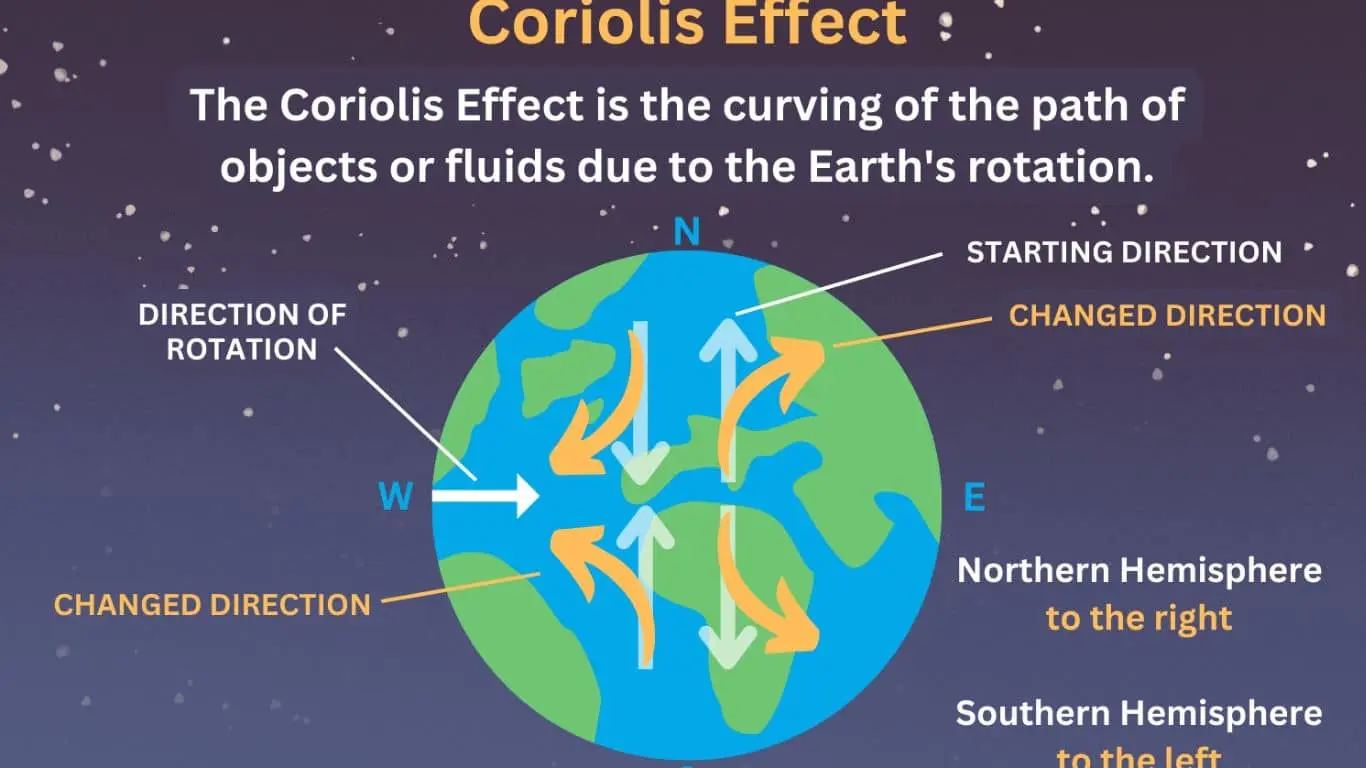
While we may not directly feel the Earth’s spin, its effects manifest in other ways. One notable consequence of the Earth’s rotation is the Coriolis effect. This phenomenon causes moving objects, including air masses and ocean currents, to deflect or curve as they travel across the Earth’s surface. The Coriolis effect plays a crucial role in shaping weather patterns, ocean circulation, and even the trajectory of long-range missiles. Its impact is very much tangible, and it serves as a testament to the Earth’s unceasing motion.
The Hidden Motion
In conclusion, the Mystery of why we can’t feel the Earth spinning beneath our feet is a captivating fusion of physics, perception, and the grandeur of our cosmic abode. While we may not have an innate awareness of the Earth’s spin due to the principles of inertia, the absence of a cosmic reference point, the omnipresent force of gravity, and the gradual nature of its rotation, the evidence of our planet’s motion is all around us. The natural world, from the Coriolis effect’s impact on weather patterns to the rhythmic rising and setting of the sun, bears witness to the Earth’s ceaseless rotation. Though imperceptible in our daily lives, the Earth’s spin is an integral component of the dynamic and mesmerizing cosmos in which we reside. It shapes the very essence of our existence, reminding us of the boundless wonders of the universe and our unique place within it.
Also Read: What Factors Affect the Helicopter Prices?