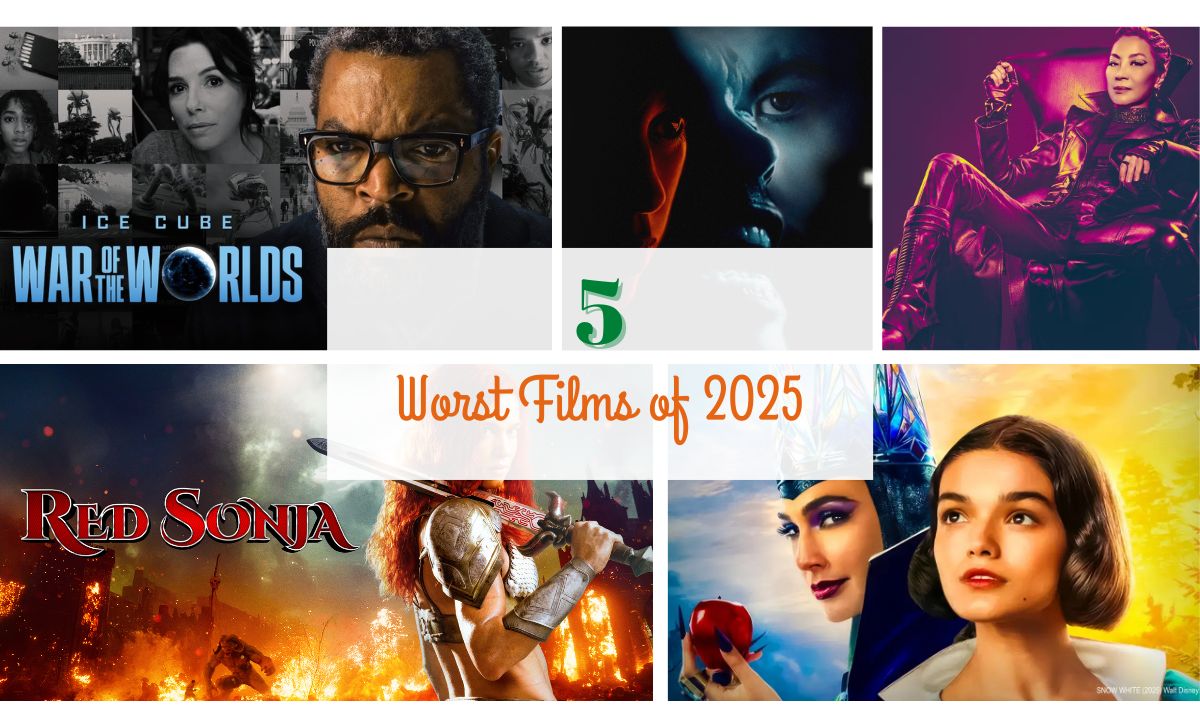
2025 has delivered many films that disappointed—whether due to overhype, mishandled source material, or a plain lack of substance. Here are the 5 worst films of 2025—ones that critics and audiences alike largely agree fell short. They promised much, with big names, beloved stories, and legendary franchises, but for various reasons, they missed the mark—often in spectacular fashion.
5 Worst Films of 2025
War of the Worlds (2025)
Plot & Premise:
This remake/adaptation of H. G. Wells’ classic alien invasion tale tries a modern twist: the world is assaulted by alien machines that feed on digital data. Will Radford (Ice Cube) is a Homeland Security expert tracking a hacker (his son) called the Disruptor; together, they (and others) must stop the invasion and figure out how this government hacking / surveillance infrastructure may have made Earth vulnerable. The style is “screenlife”—much of the story unfolds through computers, phones, online feeds.

Reviews & Reception:
The film was almost universally panned. Critics criticized everything from the heavy product placement—especially of Amazon brand stuff—to weak performances (notably Ice Cube), uninspired visuals, and a script rife with plot holes. For many, the “screenlife” approach felt gimmicky rather than insightful.
Ratings:
- IMDb rating: very low; one report says ~2.7/10 based on ~16,000 reviews.
- On Rotten Tomatoes: started with 0% from critics (rare) and very low audience scores; as of mid-2025 it was already being listed among the worst movies of all time.
Why it fails so hard: the storytelling lacks coherence, the attempt to modernize via technology feels like fan service or brand synergy more than meaningful commentary, and the emotional stakes feel flat.
Snow White (2025)
Plot & Premise:
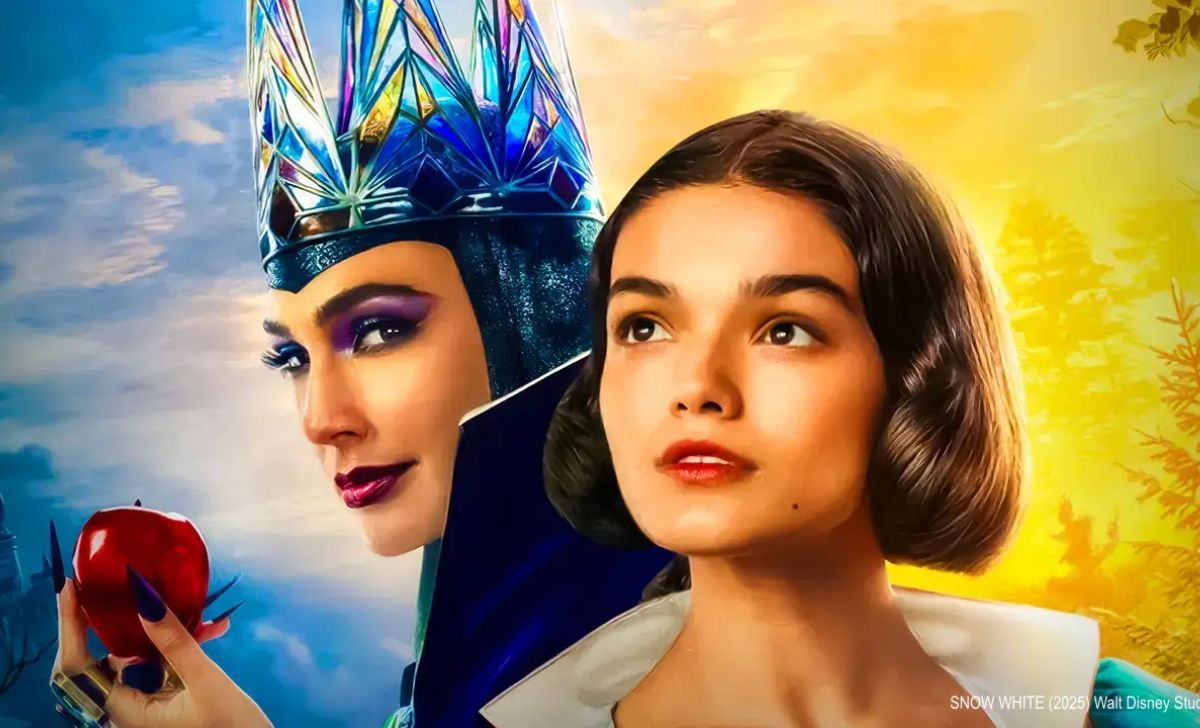
Disney’s live-action remake of Snow White and the Seven Dwarfs tries to update and refresh the classic fairy tale. Rachel Zegler plays Snow White; Gal Gadot is the Evil Queen. The film includes modern sensibilities: updates to characters, style and spectacle, CGI-dwarfs, a heavier visual / fantasy aesthetic, and a more explicit treatment of themes like power, envy, and identity.
Reviews & Reception:
The reception was largely negative or mixed. Critics praised Rachel Zegler’s performance as a highlight; her presence was frequently singled out positively. But many felt that the rest of the film failed to deliver: CGI dwarfs that looked fake or lifeless, Gal Gadot’s Queen being stiff rather than menacing or complex, pacing issues, and the decision to inject “pseudo-progressive” additions that felt forced to some. The aesthetics were lavish but didn’t ground the fantasy well enough to feel immersive.
Ratings:
- On Rotten Tomatoes: ~39% critics positive among ~270 reviews.
- On Metacritic: around 50/100 (“mixed or average”) based on dozens of critic reviews.
- Box office was also disappointing relative to budget.
What fails: too many compromises—neither a full reinvention nor a satisfying homage; visuals can’t make up for weak character choices and story decisions that alienate both purists and new audiences.
Star Trek: Section 31 (2025)
Plot & Premise:
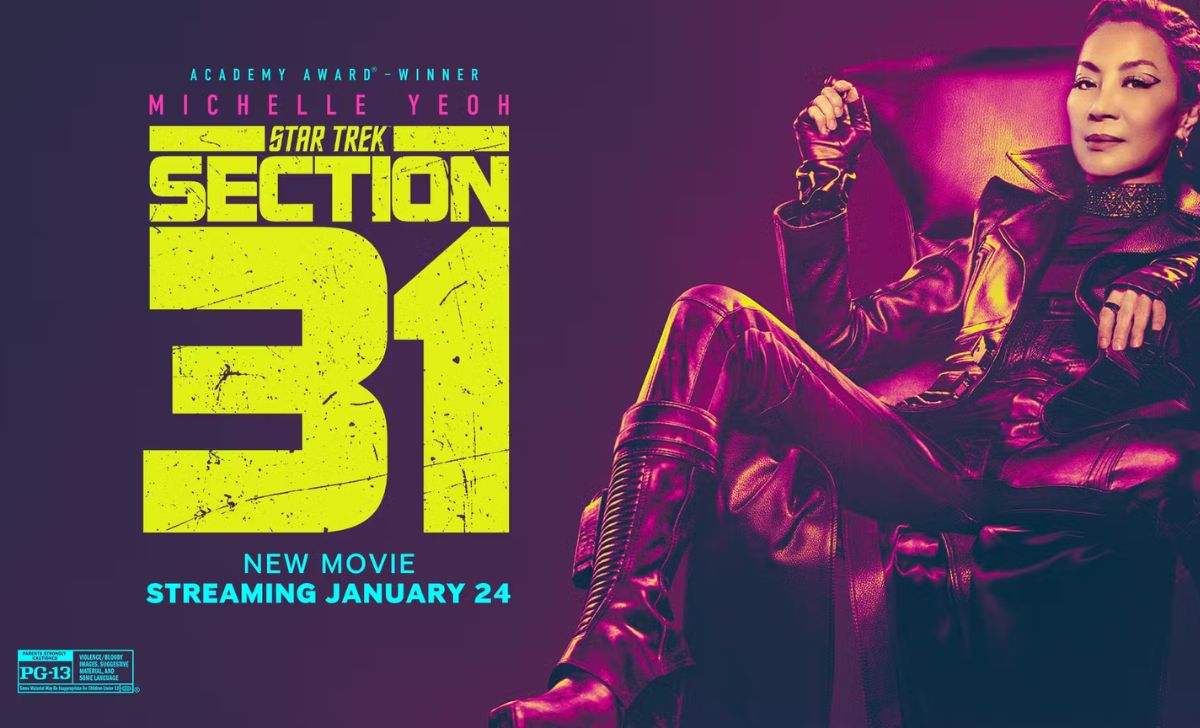
The film (or perhaps televisual movie) centers on Philippa Georgiou (Michelle Yeoh), the former emperor from Star Trek: Discovery, who leads the secret division Section 31 of Starfleet. She is forced to confront her past: in particular a super-weapon “Godsend” that Georgiou built during the Mirror Universe days. There are flashbacks to her killing family, sacrifices, betrayal, and then a mission involving trying to secure or contain the Godsend.
Reviews & Reception:
Critics generally found this entry to be a severe misfire. Key complaints include: a plot that is rushed and overstuffed with ideas, but none given enough room to develop; weak character development; visuals that sometimes look cheap despite franchise backing; and most damningly, it “doesn’t feel or look like a Star Trek movie.” Michelle Yeoh’s performance gets some praise, but the script does not support her or Georgiou’s arc well.
Ratings:
- Rotten Tomatoes: ~22% among critics; audience score even lower on some aggregator (Popcornmeter) ~16%.
- Many Star Trek fans consider it the worst Star Trek film or one of them.
What fails: It tries to be many things at once but doesn’t succeed at most—neither great action, nor the moral ambiguity that worked in past Trek stories; it loses the sense of wonder and internal consistency that Trek fans expect.
Hurry Up Tomorrow (2025)
Plot & Premise:
A deeply personal work (or so it tries to be), Hurry Up Tomorrow follows a fictionalized version of The Weeknd (Abel Tesfaye) who spirals after a traumatic loss of his ability to perform, along with interweaving characters: a troubled fan (Jenna Ortega), a manager (Barry Keoghan), plus various dreamlike or hallucinatory sequences. It blends music, performance, identity crises, and surreal visuals.
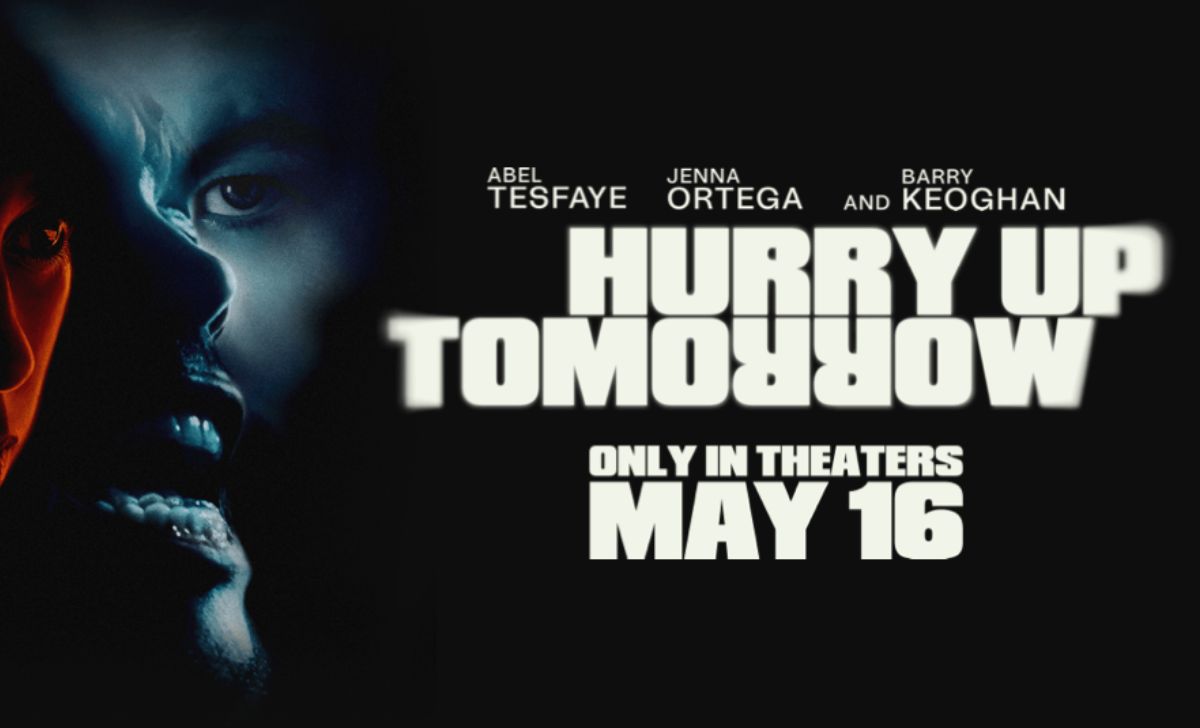
Reviews & Reception:
The film was slammed as pretentious, self-indulgent, and emotionally hollow. Critics say it feels more like an extended music video or a vanity project than a film with real dramatic or narrative stakes. The symbolic / surreal elements often come off as confusing rather than profound. Audiences and reviewers alike noted pacing issues—the film drags in places that intend to build mood but instead lose interest; dialogue is often clunky, emotional beats fail to land.
Ratings:
- On Rotten Tomatoes: 0% from critics in many reports; very poor audience reception.
- Box office and streaming numbers are weak; considered a flop.
What fails: trying to be deep without having the narrative discipline to make the depth feel earned; heavy on mood/symbolism, light on structure and character resolution. Also, expectations were high given involvement of big names, which magnified disappointments.
Red Sonja (2025)
Plot & Premise:
A sword-and-sorcery reboot, Red Sonja follows Sonja, a nomadic barbarian warrior, who must unite a ragtag band of unlikely allies to confront the villain Dragan and his consort Annisia. It’s an origin story of sorts, including betrayal, epic battles, and the classic quest-structure tropes of the genre.
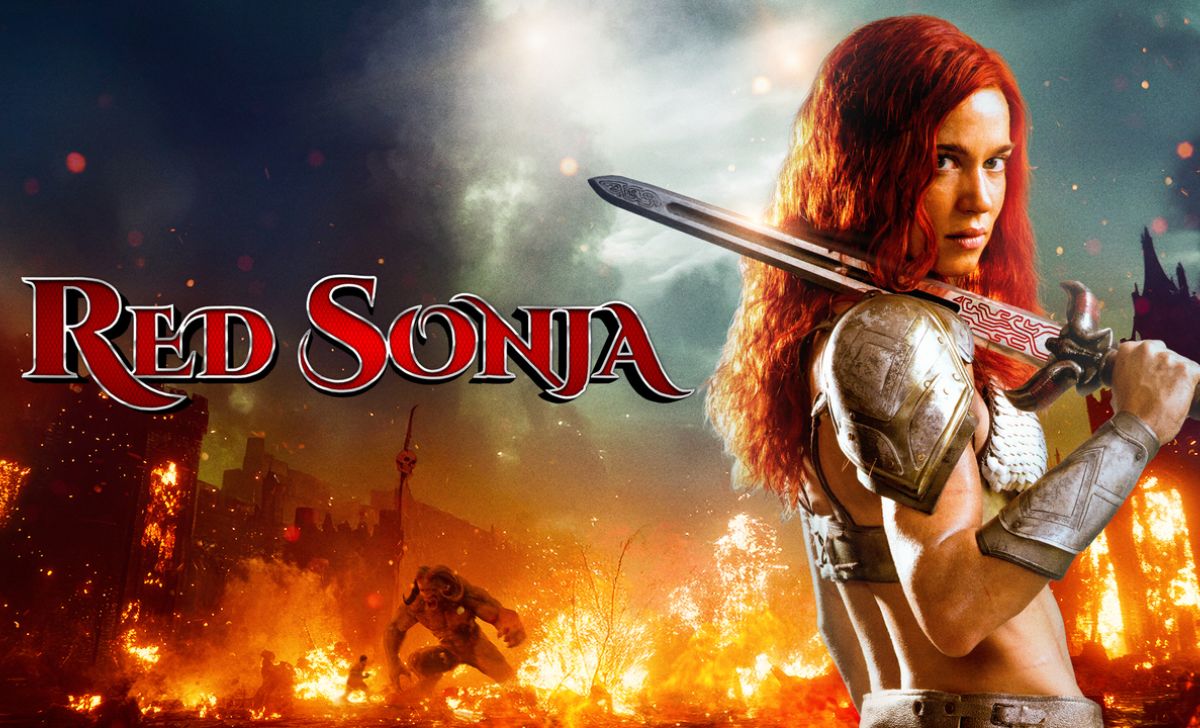
Reviews & Reception:
Critics felt the film had moments: Matilda Lutz is praised for giving Sonja a confident presence; there are some decent action scenes; the design/cinematography is serviceable. However, the negatives dominate: low budget shows through (especially in effects, combat choreography, and set pieces), the story is derivative and sometimes cheesy, and the film can feel formulaic. Some dialogue and pacing missteps hurt momentum.
Ratings:
- Mixed reviews overall. Not absolute disaster like some others, but far from a success.
- Critical sites note that it “improves on the 1985 film in some respects” but “can’t swing the epic part.”
What fails: it never fully finds its voice—combat is at times exciting, but character arcs are thin, world-building shallow, and it feels like a missed opportunity in the sword-sorcery genre, especially given the fan base.