
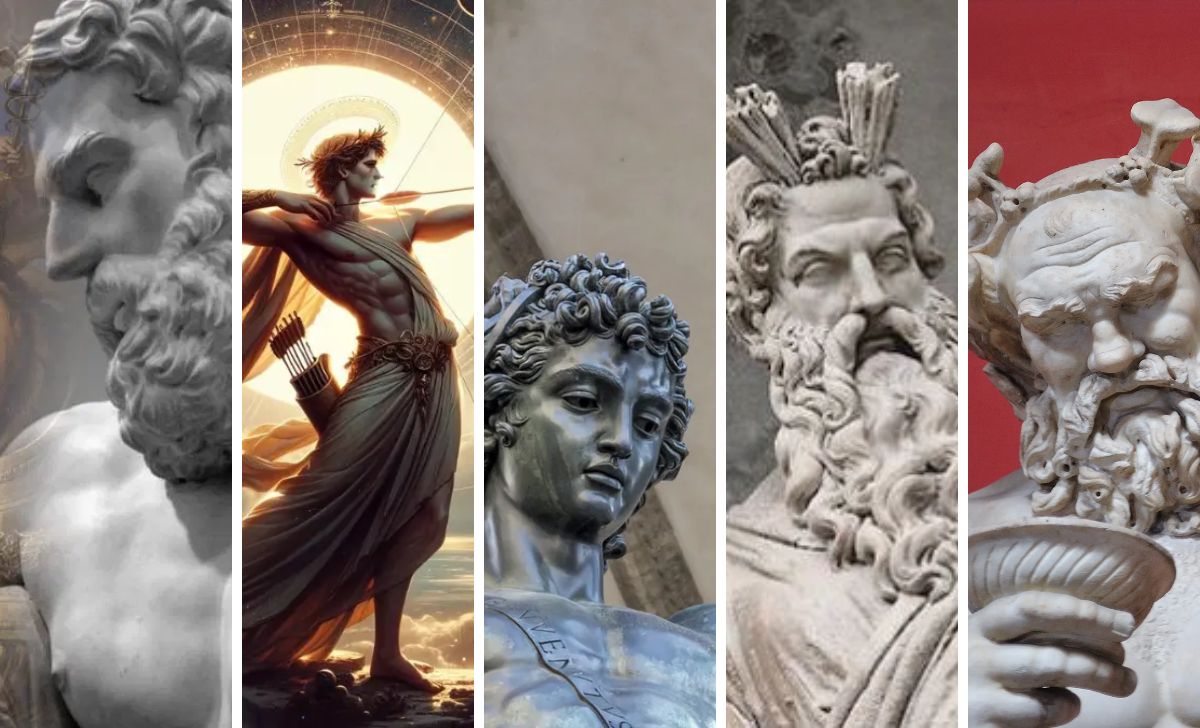
In Greek mythology, Zeus, the king of the gods, was known not only for his thunderbolts but also for his long list of powerful offspring. Among them, his sons often stood out for their exceptional strength, heroism, and godlike abilities. These sons weren’t ordinary mortals—they were demigods or full-fledged deities, blessed with the might of Olympus and shaped by legendary destinies. But not all sons of Zeus were created equal. Some demonstrated unmatched physical strength, while others showcased divine power, strategic brilliance, or unmatched leadership. In this blog, we rank the 5 strongest sons of Zeus, analyzing what makes each of them exceptional and why they’ve earned their place in this divine lineup.
5 Strongest Sons of Zeus
Heracles (Hercules)
Strength Factor: Superhuman strength, immortality, unmatched endurance
Why He Ranks #1: Heracles is the most famous son of Zeus—and for good reason. His sheer physical power is unrivaled, even among gods.
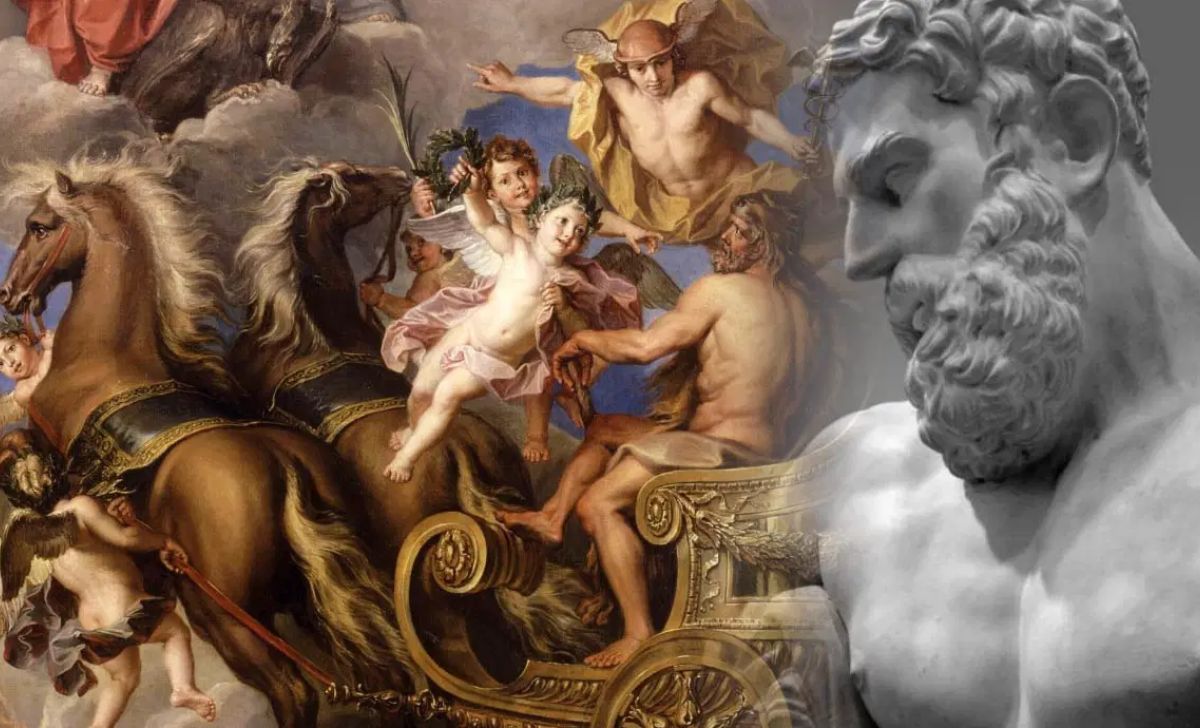
Heracles, born to Zeus and the mortal Alcmene, is best known for his Twelve Labors, each a feat no mortal or demigod could hope to survive. From slaying the Nemean Lion with his bare hands to holding up the sky (literally) for Atlas, Heracles’ strength was not just legendary—it was god-tier. After death, Zeus granted him immortality and a place among the Olympians, cementing his divine status.
His endurance, resilience, and raw physical power surpass all other sons of Zeus, making him the strongest by nearly every mythological measure.
Apollo – God of Light, Music, and Destruction
Strength Factor: Divine powers, archery, prophecy, healing, and plague
Why He Ranks #2: Apollo, son of Zeus and the Titaness Leto, may not have Heracles’ brute force, but he wields immense divine power across multiple domains.
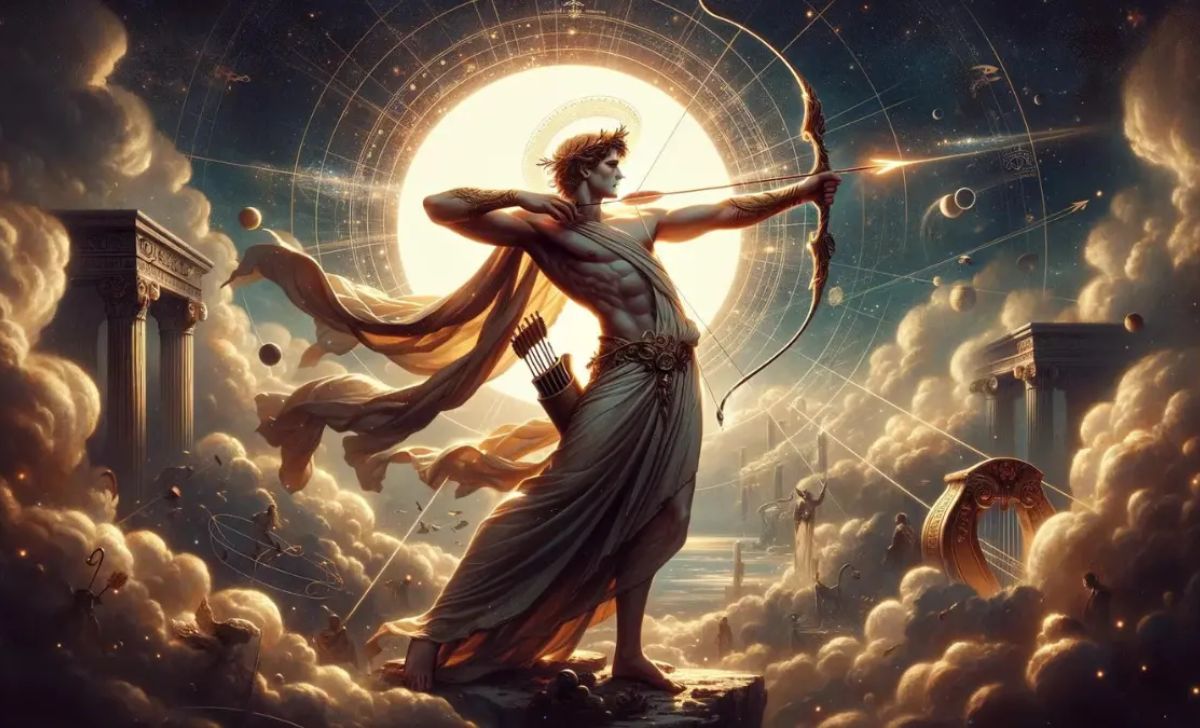
As the god of the sun, Apollo could rain destruction from afar, summon plagues, and manipulate time and nature. His arrows were said to be unstoppable and often delivered instant death. He was also unmatched in prophecy—a power that gave him insight into fate itself—and had healing abilities that made him both a destroyer and savior.
Apollo’s wide range of powers, control over life and death, and his status as one of Olympus’ principal deities make him second only to Heracles in strength and influence.
Perseus – Slayer of Monsters and Demigod King
Strength Factor: Divine weapons, intelligence, monster-slaying legacy
Why He Ranks #3: Perseus, son of Zeus and Danaë, was a demigod who became a legend by killing Medusa, the deadly Gorgon whose gaze turned people to stone.
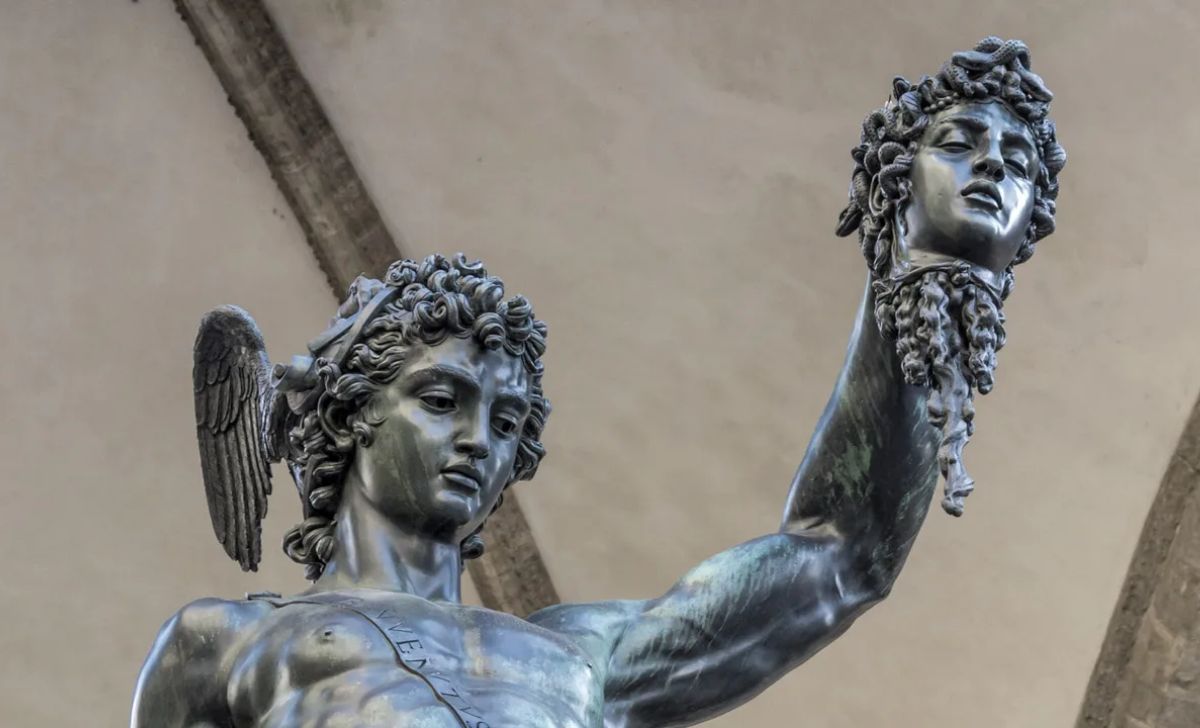
While not as strong as Heracles, Perseus was armed with gifts from the gods: Hermes’ winged sandals, Hades’ helmet of invisibility, and a divine sword. He used a combination of divine gear and clever tactics to defeat creatures others feared to face. After his victories, he founded cities, sired heroic bloodlines, and was honored by the gods.
Perseus ranks high due to his intelligence, bravery, and his ability to overcome supernatural foes—not through brute strength, but divine cunning and courage.
Dionysus – God of Madness and Ecstasy
Strength Factor: Control over minds, immortality, reality-bending power
Why He Ranks #4: Dionysus, the son of Zeus and the mortal Semele, might not appear physically intimidating, but his powers are profoundly psychological and mystical.
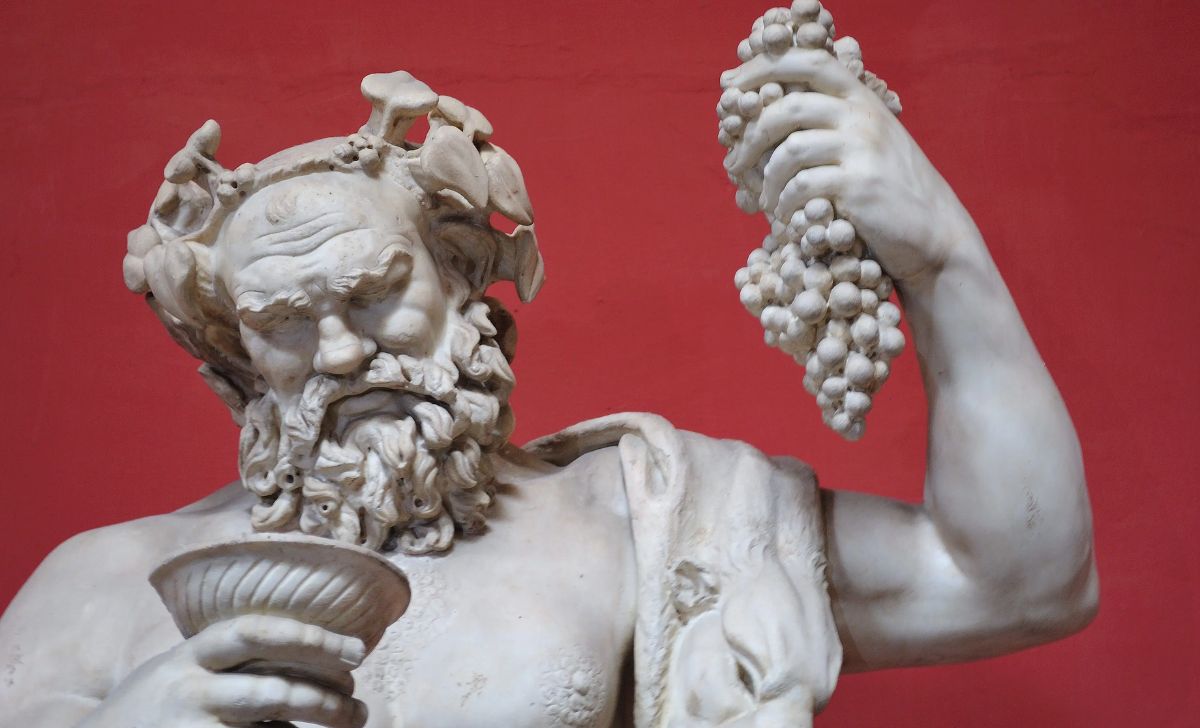
As the god of wine, madness, and ecstasy, Dionysus could drive mortals—and even gods—to insanity. He could control perception, create illusions, and manipulate large groups through his divine charisma. He also raised armies of frenzied followers known as Maenads, who could tear apart men with their bare hands.
Dionysus ascended to Olympus and became one of the twelve Olympians. His divine control over the human psyche and spiritual ecstasy gives him a different kind of strength—power over the mind, which often proves deadlier than brute force.
Minos – The Legendary King and Judge of the Dead
Strength Factor: Divine authority, lawgiver, posthumous godhood
Why He Ranks #5: Minos, born of Zeus and Europa, was more of a political and spiritual powerhouse than a warrior. He ruled Crete with divine authority and was so wise and just that, after death, he became one of the judges of the dead in the Underworld.
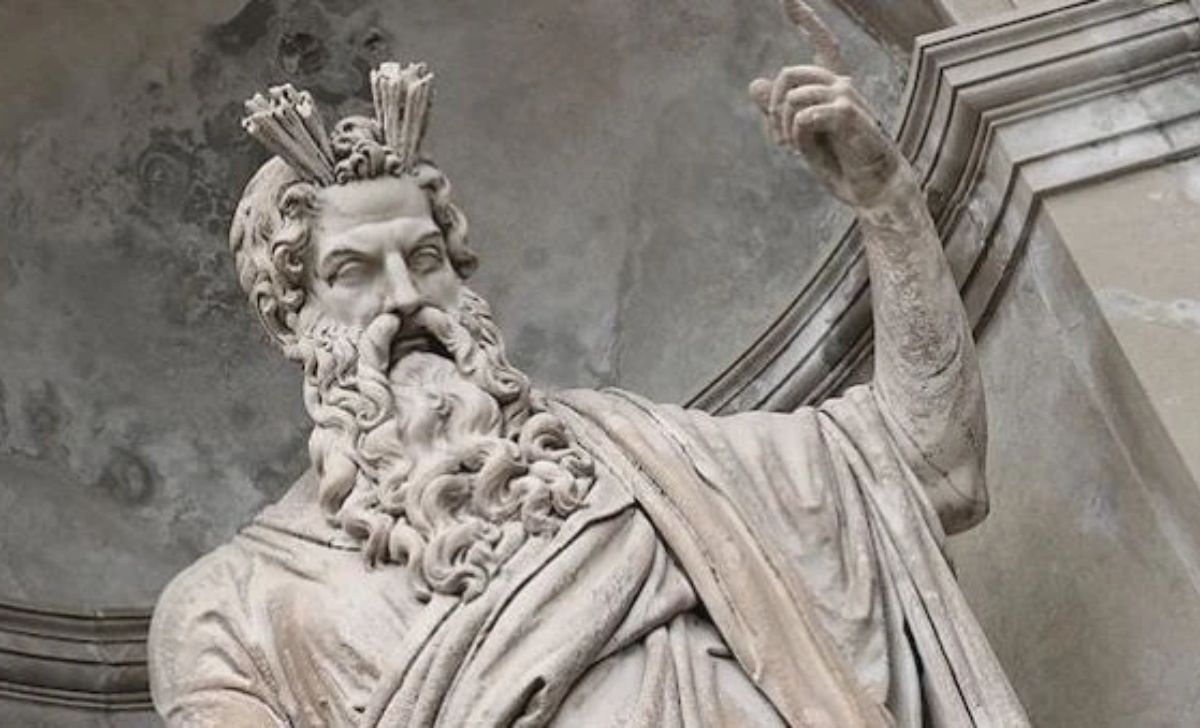
Minos controlled vast fleets and armies, and his power lay in governance and order. The labyrinth he commissioned housed the deadly Minotaur—a beast so fierce only a hero like Theseus could defeat it. While not known for combat prowess, Minos wielded power through law, command, and divine judgment.
Though not as physically dominant as others, Minos’ enduring influence in life and death earned him a spot among Zeus’s strongest sons—particularly in the realm of divine justice and legacy.