

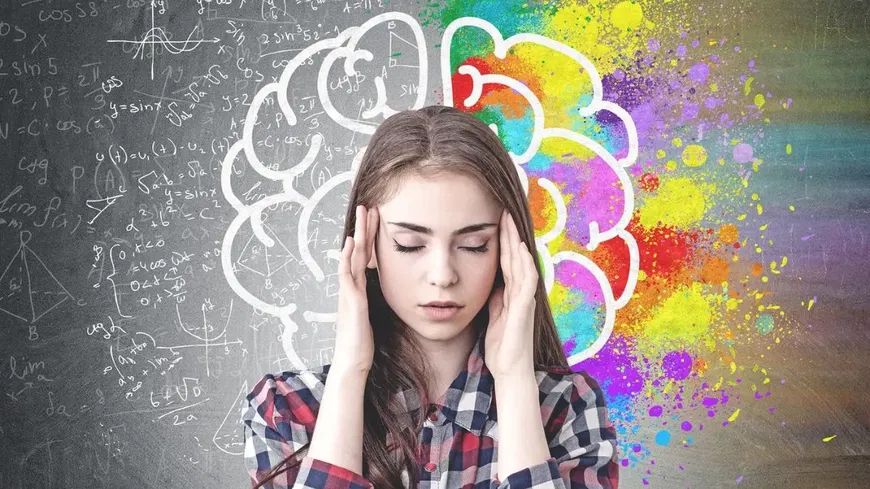
We all know the feeling—restless sleep, snapping at people for no reason, forgetting the smallest things, and carrying around a constant weight of anxiety. If that sounds familiar, you’re probably dealing with chronic stress. And while stress in small doses can be useful, especially when you’re in a high-stakes game or giving a speech, long-term stress does something much more dangerous: it physically changes your brain. Let’s learn What Stress Really Does to Your Brain with 2 Proven Ways to Heal It.
How Your Body Reacts to Stress: The Role of the HPA Axis
When your brain senses danger or tension, it flips on an internal alarm system known as the HPA axis—short for hypothalamus-pituitary-adrenal axis. This is a network of interactions between endocrine glands in your brain and kidneys that control your body’s stress response.
Once activated, the HPA axis triggers the release of cortisol, often called the “stress hormone.” This hormone gives your body a quick boost in energy and alertness to help you respond. Great for the short term—but when this keeps happening over days, weeks, or even years, cortisol stops being helpful and starts becoming harmful.
Stress Makes Your Brain’s Fear Center Stronger
The amygdala, the part of your brain responsible for fear and emotional responses, becomes more active and forms more connections under chronic stress. In simple terms, your brain starts living in a constant “danger alert” mode, making you more anxious, reactive, and emotionally unstable over time.
How Cortisol Damages Memory and Learning
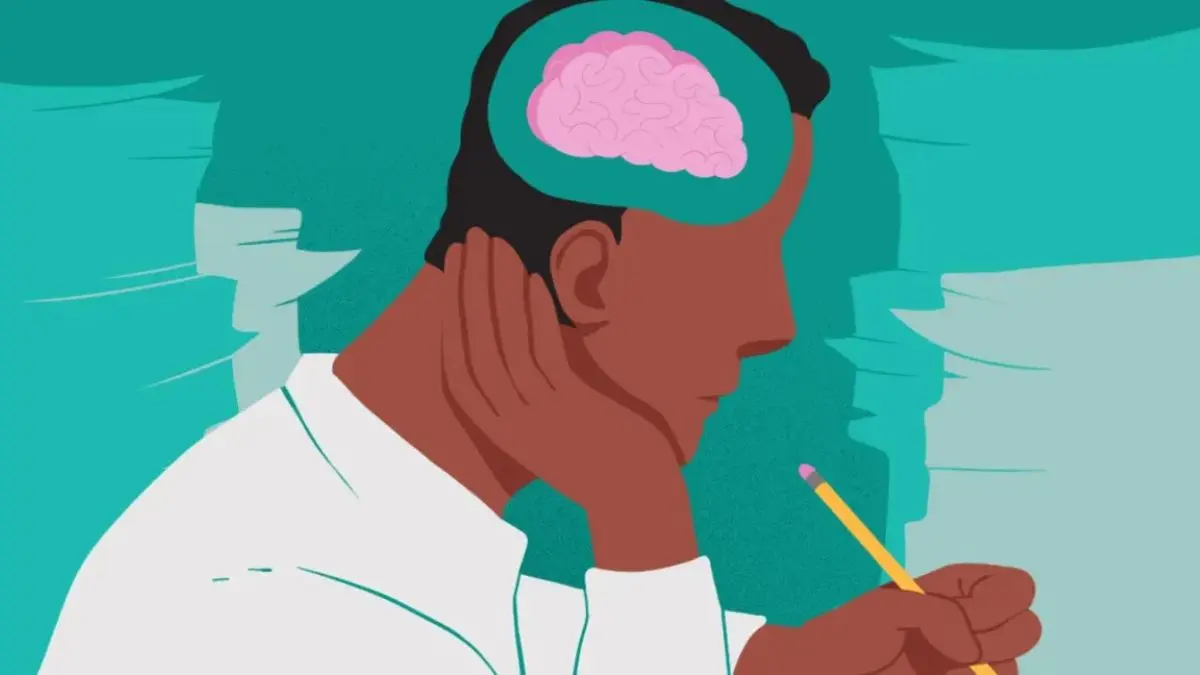
As cortisol floods your system, it starts interfering with the hippocampus—the part of your brain involved in memory, learning, and regulating stress. Over time, the hippocampus starts to deteriorate. Its electrical signals weaken, and it shrinks.
This isn’t just about losing memories. Since the hippocampus also helps control the HPA axis, its decline creates a vicious cycle: as it weakens, it becomes less capable of calming your stress response, which keeps the cortisol flowing, doing even more damage.
The Shrinking Brain: Damage to the Prefrontal Cortex
Chronic stress also affects your prefrontal cortex, the part of the brain responsible for decision-making, focus, judgment, and social behavior. Long-term exposure to high cortisol levels leads to fewer synaptic connections and even a reduction in the size of this critical region. That’s why you may find it harder to focus, make decisions, or interact with people when you’re stressed out.
Stress Slows Brain Cell Growth
Another scary fact? Chronic stress slows down the creation of new brain cells, especially in the hippocampus. This not only hurts your ability to learn and retain information but also increases the risk of developing mental health issues like depression and long-term diseases like Alzheimer’s.
Stress Can Alter Your Genes—And Pass Down Through Generations
It goes even deeper than brain size and structure. Stress can influence your brain at the epigenetic level—meaning it can change how your genes are expressed without altering the DNA itself.
In one experiment, researchers studied rat pups raised by two types of mothers: nurturing and negligent. The pups raised by nurturing mothers developed more cortisol receptors in their brains, helping them handle stress better. Those raised by neglectful mothers developed fewer receptors and remained overly sensitive to stress throughout life.
The most shocking part? These stress responses weren’t just limited to one generation. The pups passed these stress-reactive traits on to their own offspring—even if they were raised by different mothers. This suggests stress-related brain changes can be inherited, affecting generations to come.
How to Reverse the Effects of Stress on Your Brain
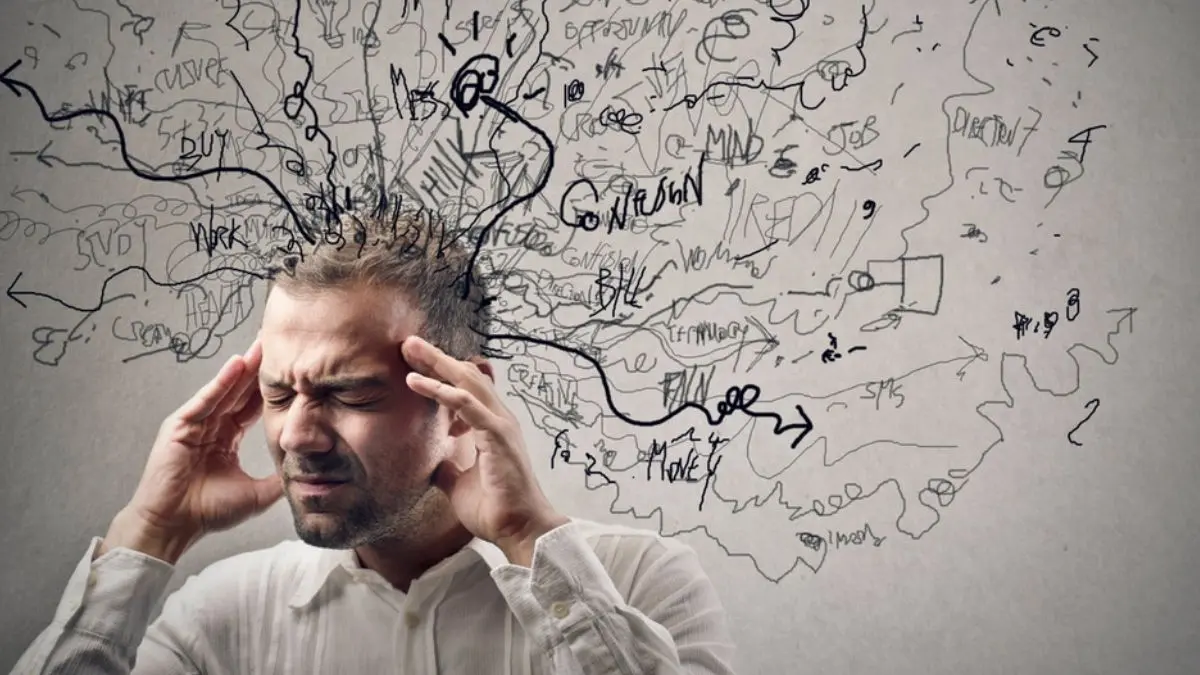
Here’s the good news: you can reverse much of the damage stress causes. Two powerful tools have been proven to heal and rebuild the brain:
1. Exercise
Physical activity helps lower cortisol levels and promotes the growth of new brain cells, especially in the hippocampus. Even moderate workouts, like walking or yoga, can make a major difference.
2. Meditation
Mindfulness practices such as deep breathing and focused awareness calm the nervous system and improve both emotional control and memory. Meditation has even been shown to increase the size of the hippocampus over time.
Also Read: Fingerprint Forensics: Murder Case in Europe and How It Shaped Forensics Forever