
When it comes to storytelling, few things are as satisfying—or as shocking—as a perfectly executed plot twist. Comic books, with their decades-spanning stories and richly complex characters, have delivered some of the most unforgettable twists in all of pop culture. From world-altering revelations to heartbreaking betrayals, these moments remind us why comics remain one of the most creative storytelling mediums ever. Today, let’s revisit some of The Most Jaw-Dropping Plot Twists in Comic Book History that completely changed the landscape of comics.
The Watchmen’s World-Shattering Finale
Let’s start with a titan among plot twists: the ending of Watchmen. Anyone who’s ever read Alan Moore and Dave Gibbons’ masterpiece knows how it redefined superhero storytelling—and its final revelation remains one of the most iconic moments in all of comic book history.
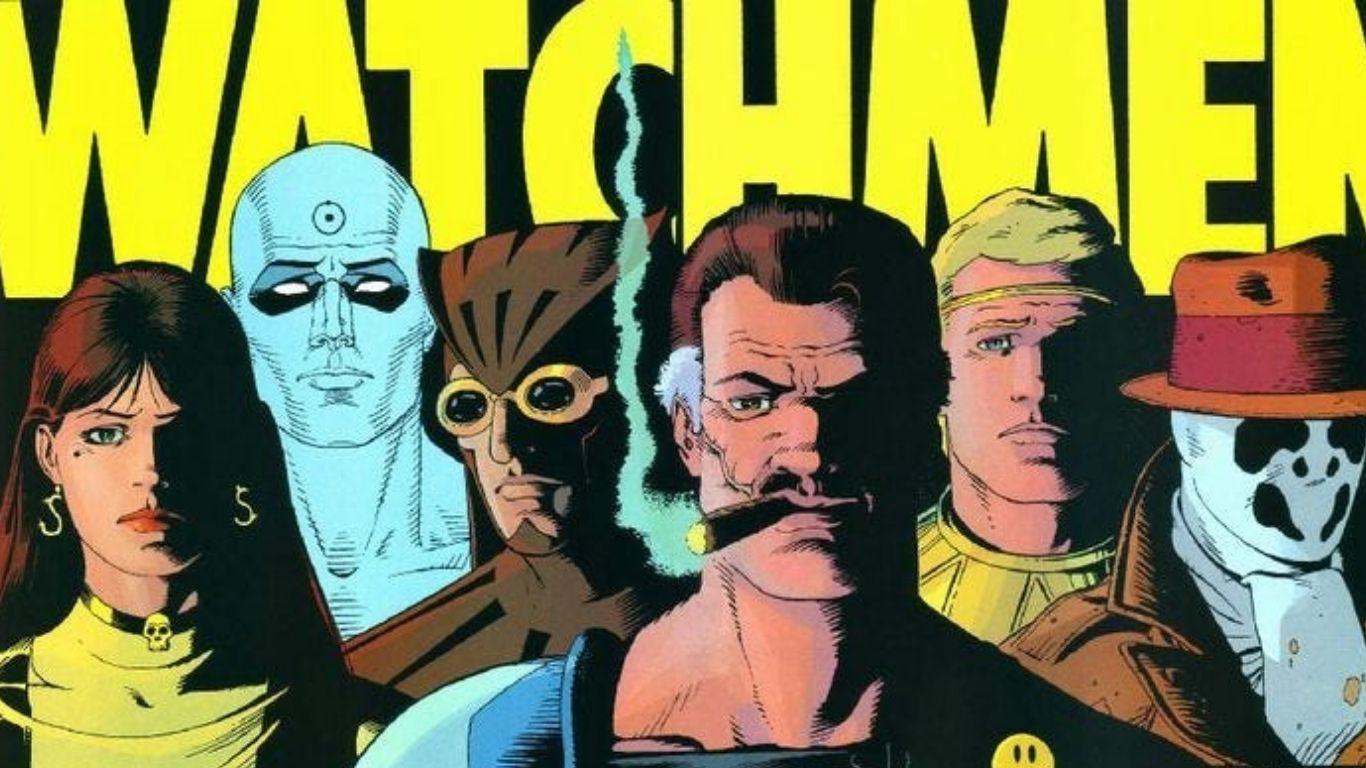
The big twist? Ozymandias—one of the so-called heroes—turns out to be the secret architect behind an apocalyptic event threatening the world. In a desperate attempt to prevent nuclear war, he fabricates an alien invasion, unleashing a genetically engineered, squid-like monster on New York City. His goal is horrifying yet noble in a way: convince humanity to unite against a fabricated extraterrestrial menace to avoid mutual destruction.
And it works. Humanity puts aside its differences, united by the fear of a false enemy. But when Rorschach threatens to expose the truth, Dr. Manhattan makes an impossible choice—ending Rorschach’s life to preserve global peace. It’s a grim, ironic ending that forces us to question morality, truth, and the cost of “saving” humanity.
Jason Todd’s Return as the Red Hood
Batman has faced countless villains, but few emotional gut punches hit harder than the moment he discovered Red Hood’s true identity. In Batman #641, the mysterious antihero unmasked himself mid-battle, revealing that he was Jason Todd—the very Robin fans once voted to die.
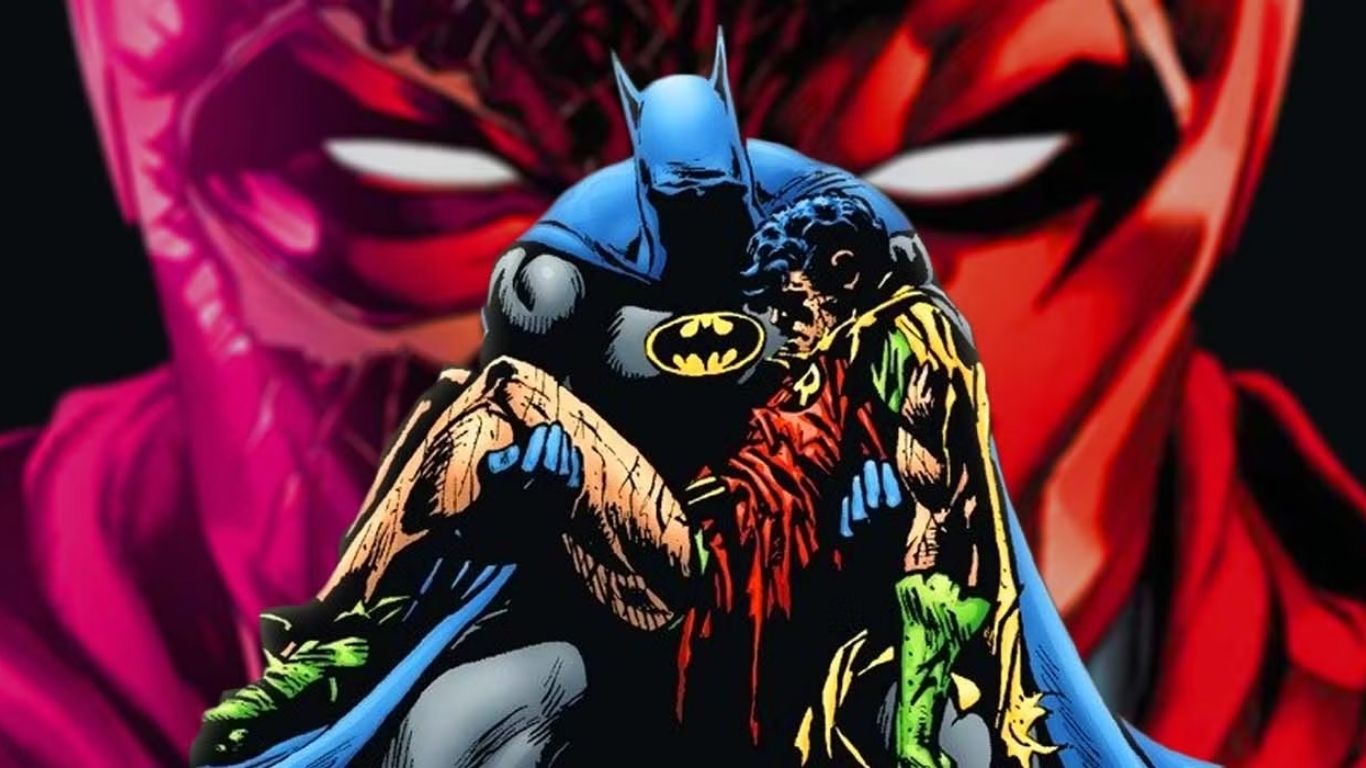
Years before, Jason had been brutally murdered by the Joker in “A Death in the Family.” His resurrection via the Lazarus Pit not only stunned readers but also added a tragic, furious edge to the Batman mythos. Jason’s rage toward Bruce felt painfully justified; he couldn’t understand how Bruce let the Joker live after everything he’d done.
Their confrontation remains one of the most emotionally charged moments in DC history—a reminder that sometimes, the people we lose don’t come back the same.
Superman Kills Lois Lane in Injustice: Gods Among Us
The Injustice universe begins with a twist so cruel it still resonates: Superman kills Lois Lane—because he thinks she’s Doomsday.
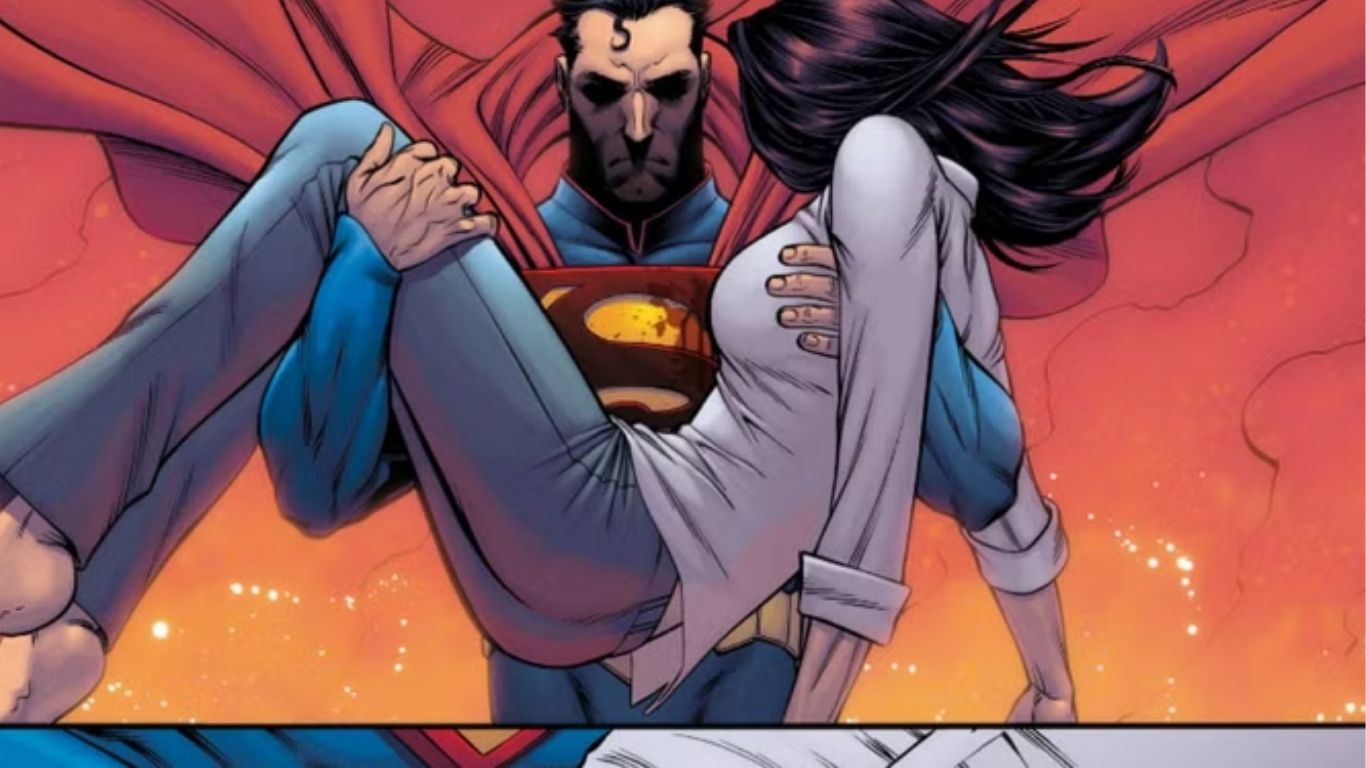
The Joker, ever the agent of chaos, gases Superman with a fear toxin that makes him hallucinate. Believing he’s saving the world from Doomsday, Clark flies Lois into space. By the time Batman alerts him to the truth, it’s too late. Lois—and their unborn child—are gone. Worse still, her death triggers a bomb wired to her heartbeat, obliterating Metropolis in an instant.
That single act of tragedy sets Superman on a path of authoritarian rule, fracturing the Justice League and birthing one of DC’s darkest alternate realities. Few twists have been so perfectly devastating—and so narratively potent.
The Secret Clone of Homelander: Black Noir’s Shocking Identity
In The Boys comic series, few mysteries lingered as long as Black Noir’s secret identity. By issue #65, fans finally got the truth—and it was a doozy.
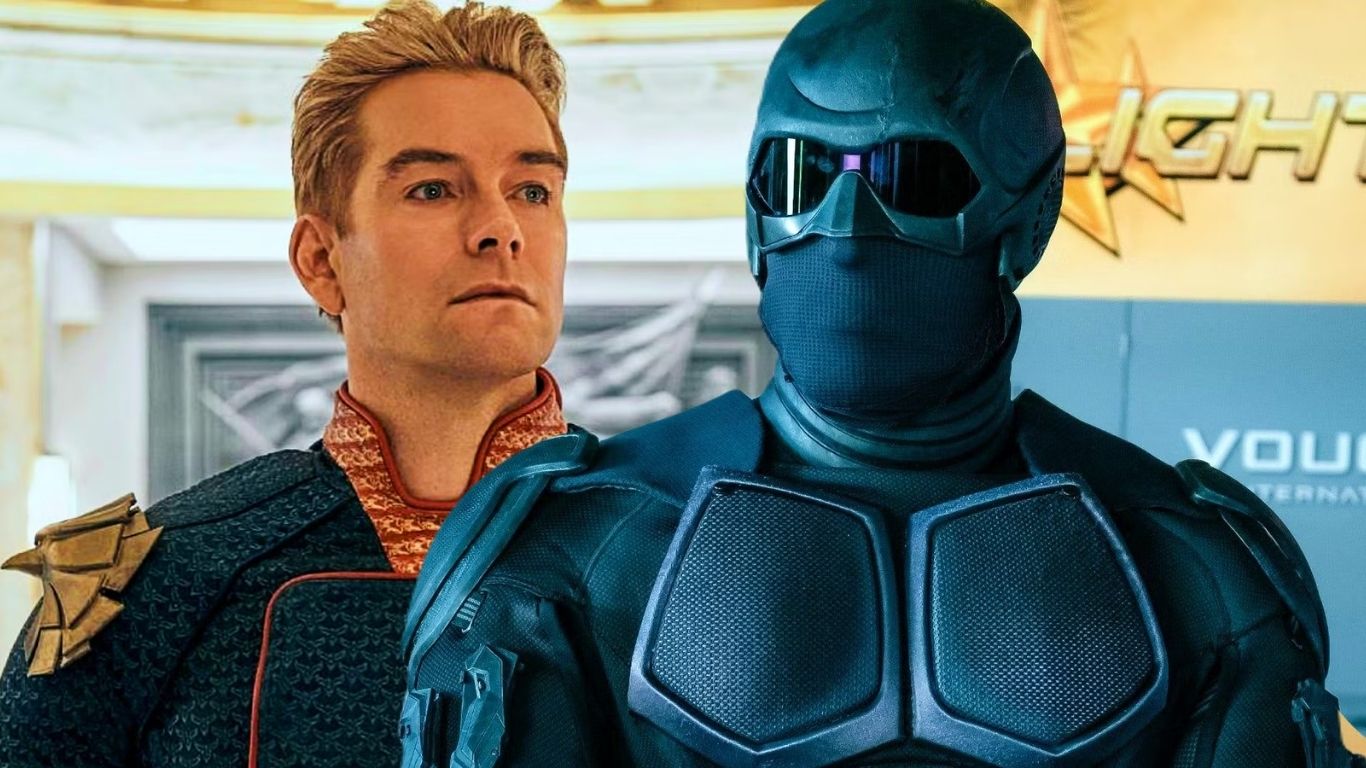
Unlike the Amazon series, where Noir’s story differs greatly, the comics reveal that Black Noir is actually a clone of Homelander. Created by Vought as a “failsafe,” Noir existed to keep the real Homelander in check if he ever went too far. The irony? Noir himself descends into madness, killing indiscriminately and ultimately confronting Homelander in a devastating showdown at the White House.
This revelation reframed the entire series—turning what seemed like a silent, stoic assassin into one of the most tragic figures in Garth Ennis’s twisted world.
The Masked Teacher: Zorn is Magneto
Grant Morrison’s New X-Men run redefined the mutant world in the early 2000s, but no twist shocked fans more than the reveal that Zorn was secretly Magneto all along.
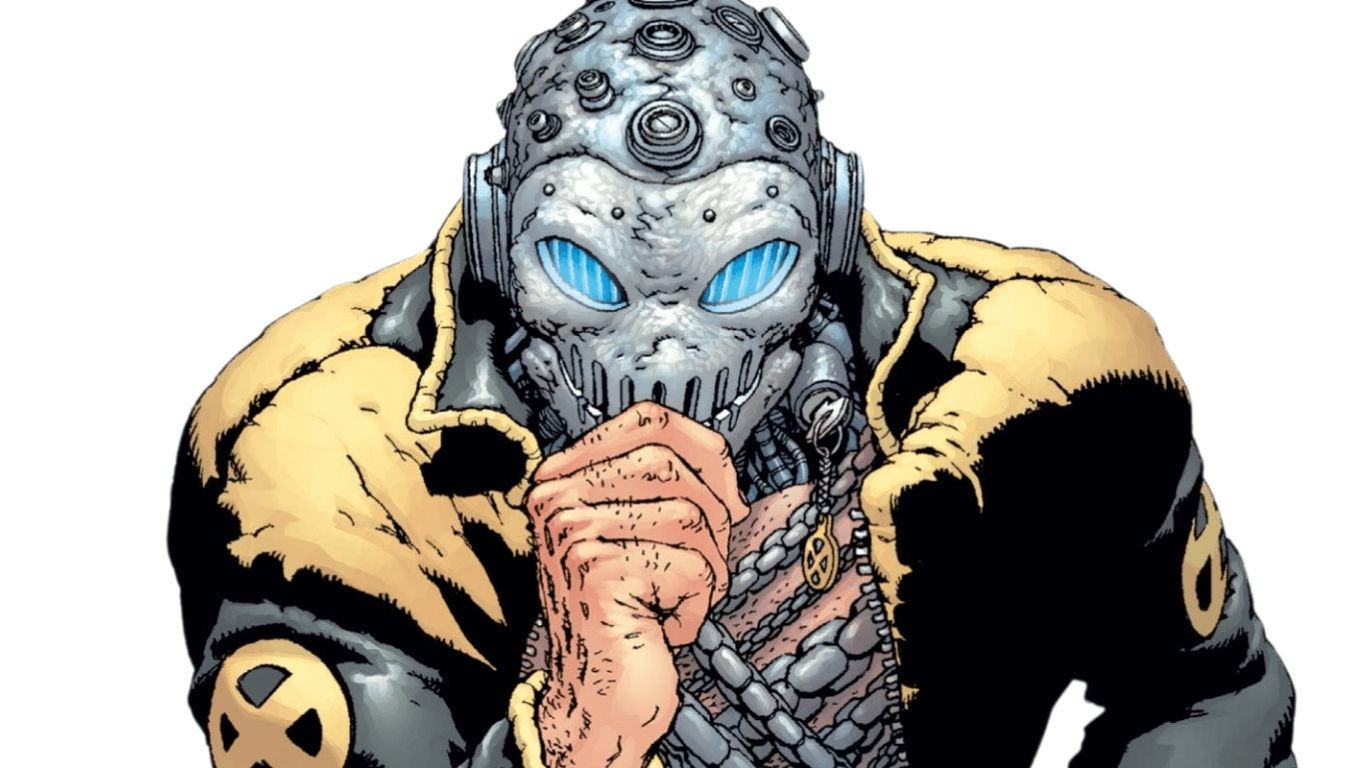
Introduced as a compassionate healer with a star for a head (yes, really), Zorn seemed like a welcome addition to the X-Men’s roster. But in issue #146, readers discovered it was all a ruse—Magneto had infiltrated Xavier’s School under a false identity, waiting for the perfect moment to strike.
Though later retconned, that reveal was pure comic-book whiplash—a perfect example of how the X-Men franchise thrives on mystery, deception, and moral complexity.
The True Holiday Killer in Batman: The Long Halloween
Jeph Loeb and Tim Sale’s Batman: The Long Halloween is a noir detective masterpiece, filled with twists and suspects around every corner. The central mystery revolves around the “Holiday Killer,” a murderer striking on calendar holidays.
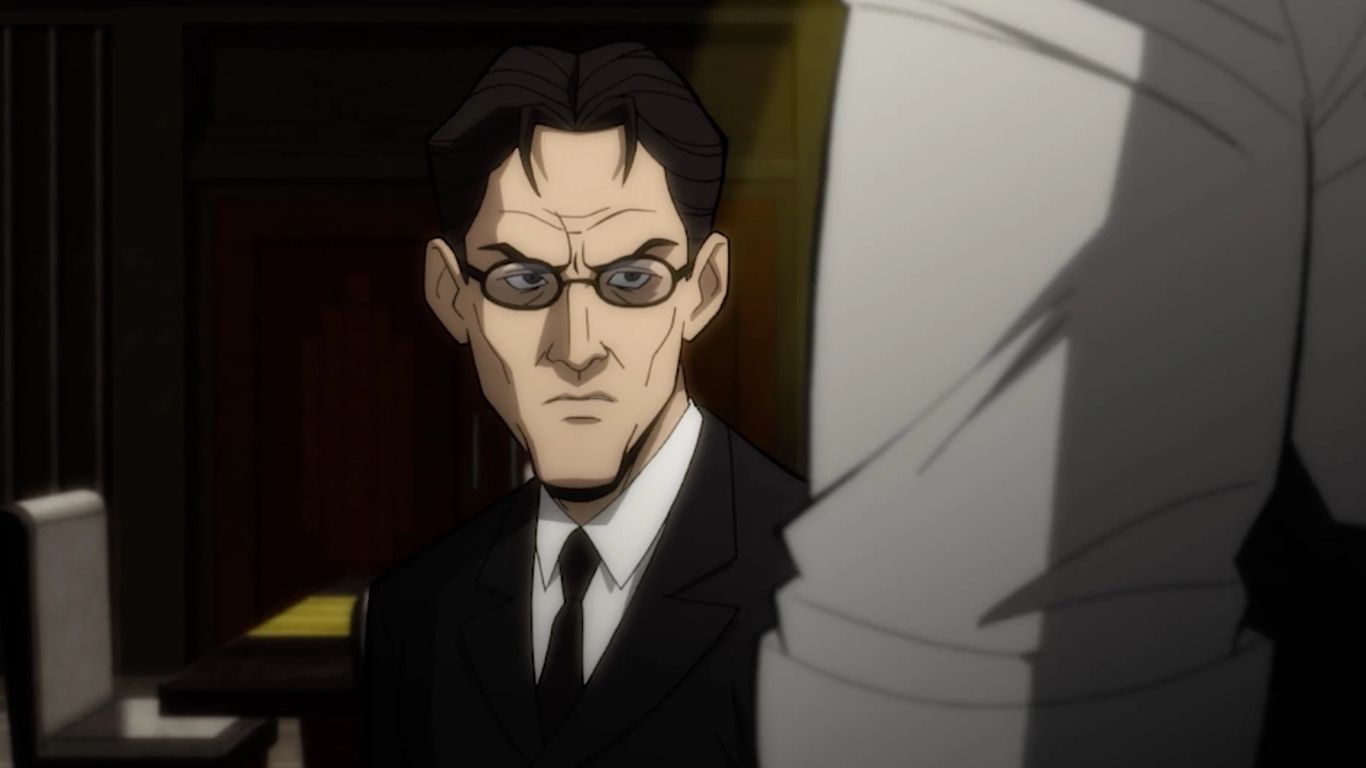
In the end, it’s revealed that Gilda Dent, Harvey Dent’s wife, was the original Holiday Killer—while Alberto Falcone simply copied her crimes to gain notoriety. The foreshadowing for this twist is hidden brilliantly throughout the series, and when it lands, you realize the clues were in plain sight all along. It’s a mystery worthy of Gotham’s greatest detective.
Secret Invasion and the Paranoia of Skrulls
If one storyline personifies betrayal and paranoia, it’s Marvel’s Secret Invasion. For months, readers (and heroes) questioned: who can you trust when anyone might be a shape-shifting Skrull?
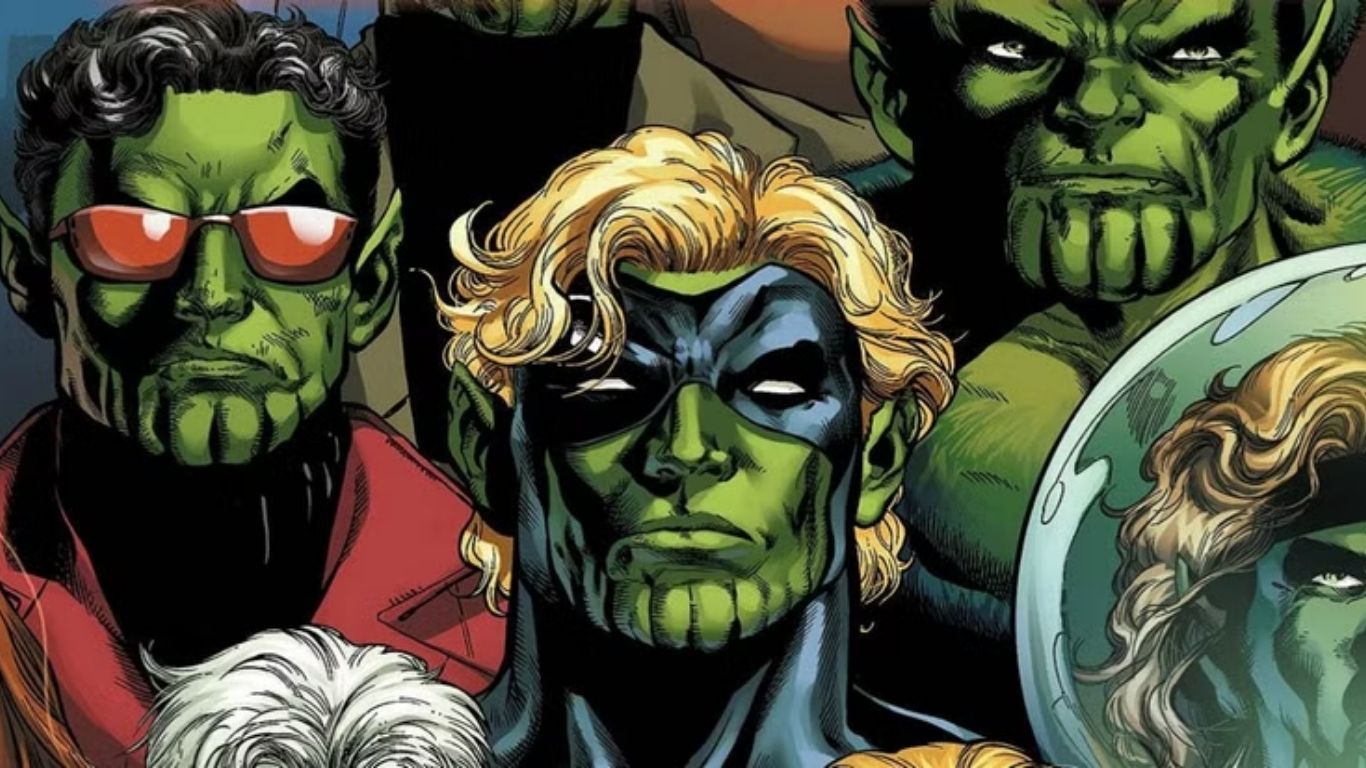
Major heroes—including Elektra, Black Bolt, Spider-Woman, and Hank Pym—were revealed to be impostors. Each twist-upended years of continuity, forcing readers to recontextualize everything they thought they knew about the Marvel Universe.
It was a storytelling masterstroke that blurred the line between paranoia and revelation—and proved that no one, not even Earth’s mightiest heroes, was beyond suspicion.
The Death of Gwen Stacy: The End of Innocence
Few moments in comics history changed the medium like the death of Gwen Stacy in The Amazing Spider-Man #121.
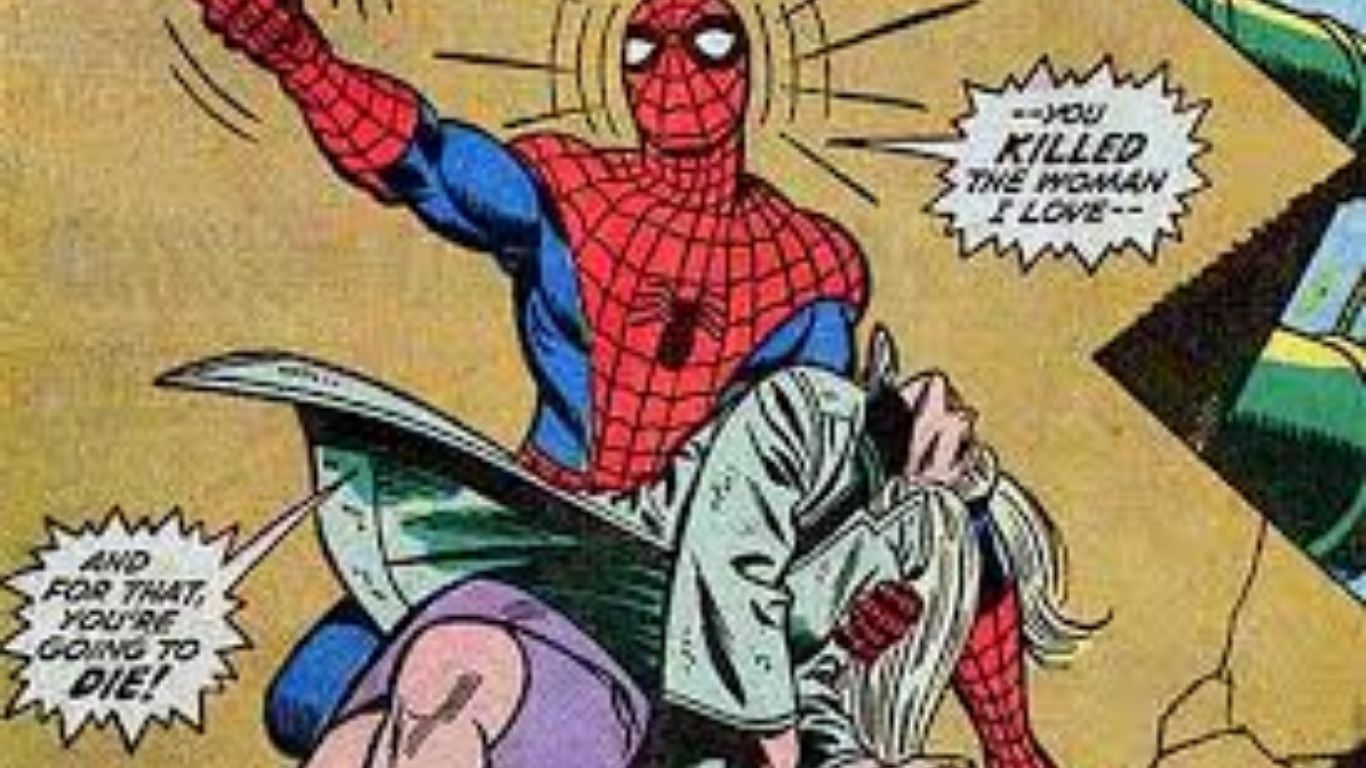
At the time, readers simply didn’t believe a major character—especially Peter Parker’s great love—could truly die. But when the Green Goblin threw Gwen from the Brooklyn Bridge, and Spidey’s desperate rescue inadvertently snapped her neck, it ripped through fandom like a shockwave.
Even Stan Lee, Spider-Man’s co-creator, was horrified by the editorial decision. But the story’s legacy is undeniable—it marked a turning point where comics began to embrace lasting consequences and emotional depth. The Bronze Age of Comics was born that day.
Tower of Babel: Batman’s Darkest Secret
In JLA: Tower of Babel, Batman proves why he’s both the League’s most indispensable and most dangerous member. When Ra’s al Ghul steals Batman’s contingency plans—strategies he created to neutralize each Justice League member—the result is chaos.
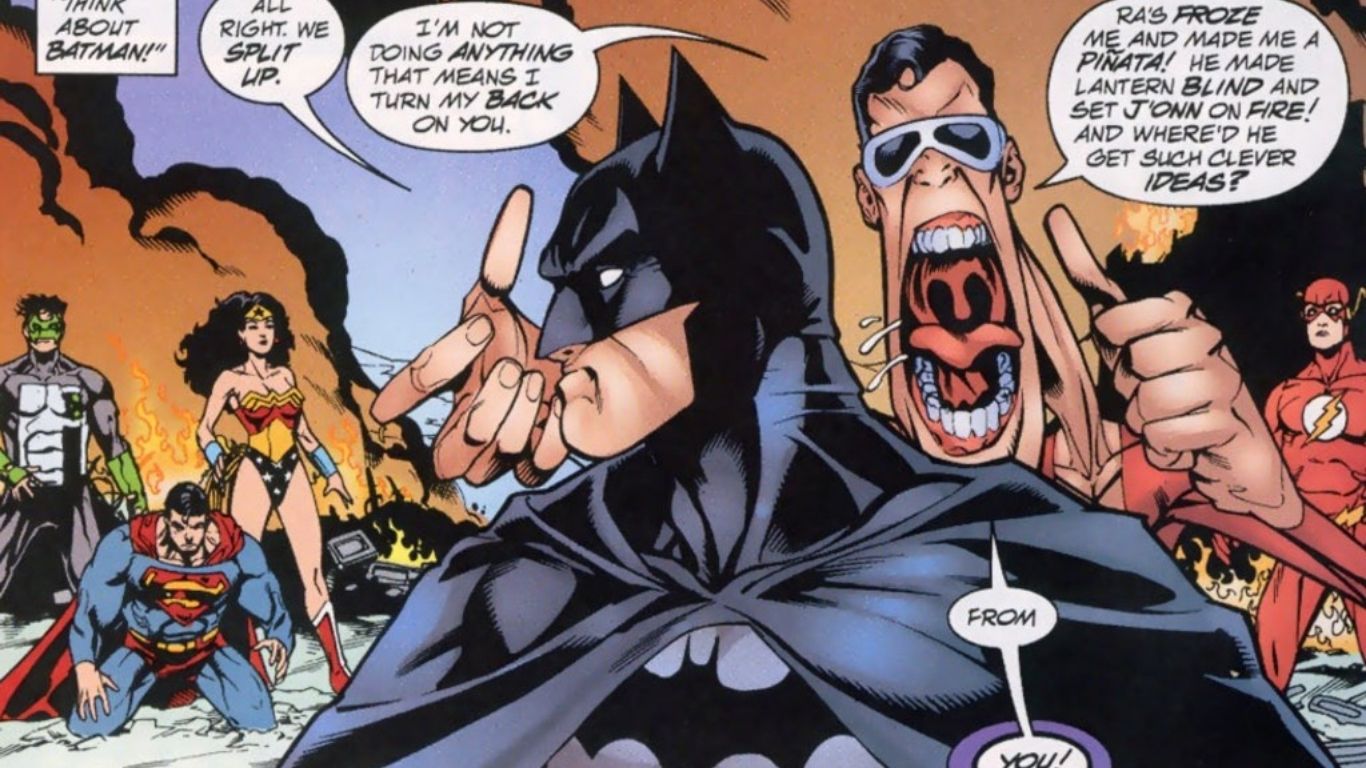
The League is horrified. Superman, Wonder Woman, and others feel betrayed, yet Batman argues he only prepared for the worst-case scenario. The twist isn’t just that he made these plans—it’s that he knew them so intimately that no one, friend or foe, was truly safe from him.
That revelation still defines Batman’s character today: brilliant, paranoid, and always ten steps ahead—even if it costs him trust.
The True Nature of the Swamp Thing
Alan Moore’s Saga of the Swamp Thing forever changed what readers thought they knew about the character. Initially, it seemed that scientist Alec Holland had been transformed into the monster following a tragic lab explosion.
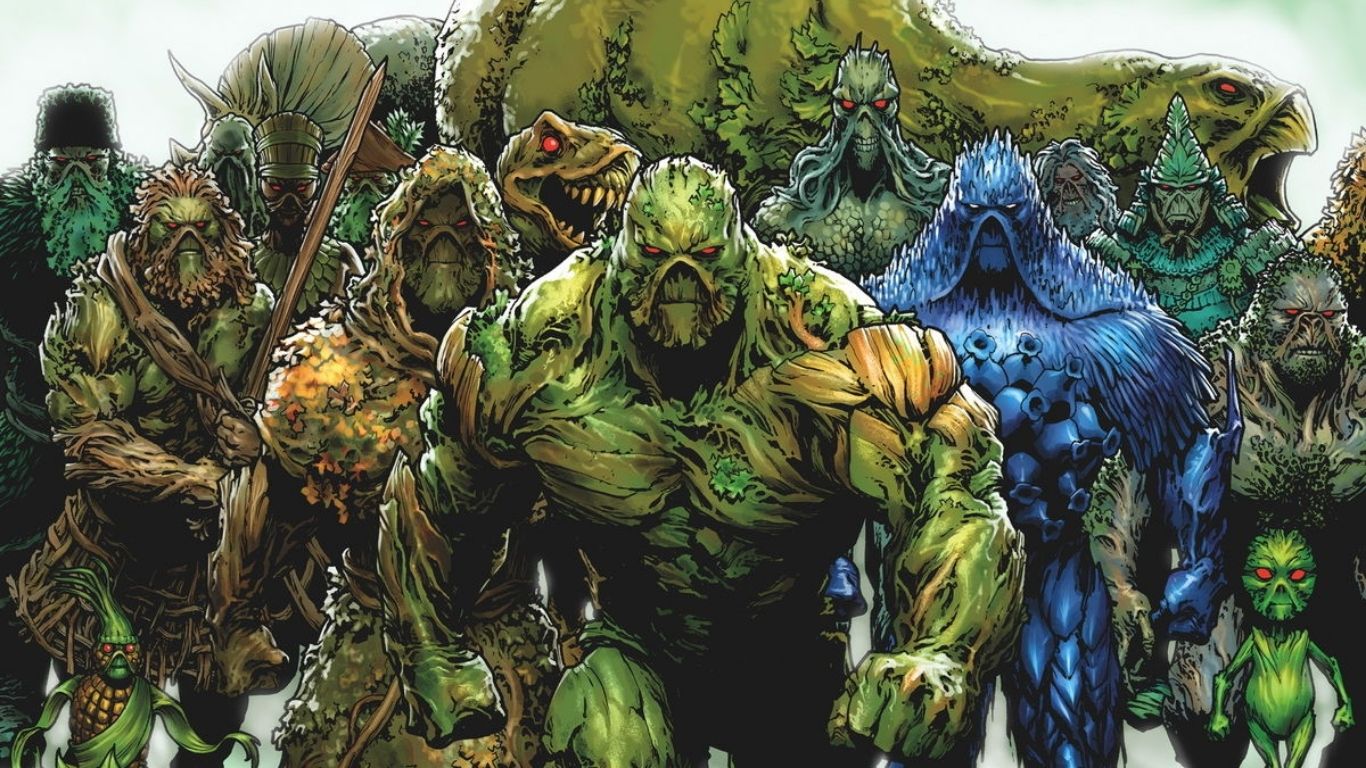
But Moore flipped the script with a revelation so existential it still stings: Swamp Thing wasn’t Alec Holland at all. He was a plant creature that had absorbed Holland’s memories and believed himself to be human.
That redefinition turned Swamp Thing from a horror concept into something mythic—a being of nature grappling with the illusion of identity and consciousness. It cemented Moore’s status as one of comics’ most daring storytellers.
The Hydra Captain America Controversy
Now for one of modern comics’ most controversial twists: Captain America: Steve Rogers #1, where the beloved Star-Spangled Avenger utters two words that broke the Internet—“Hail Hydra.”
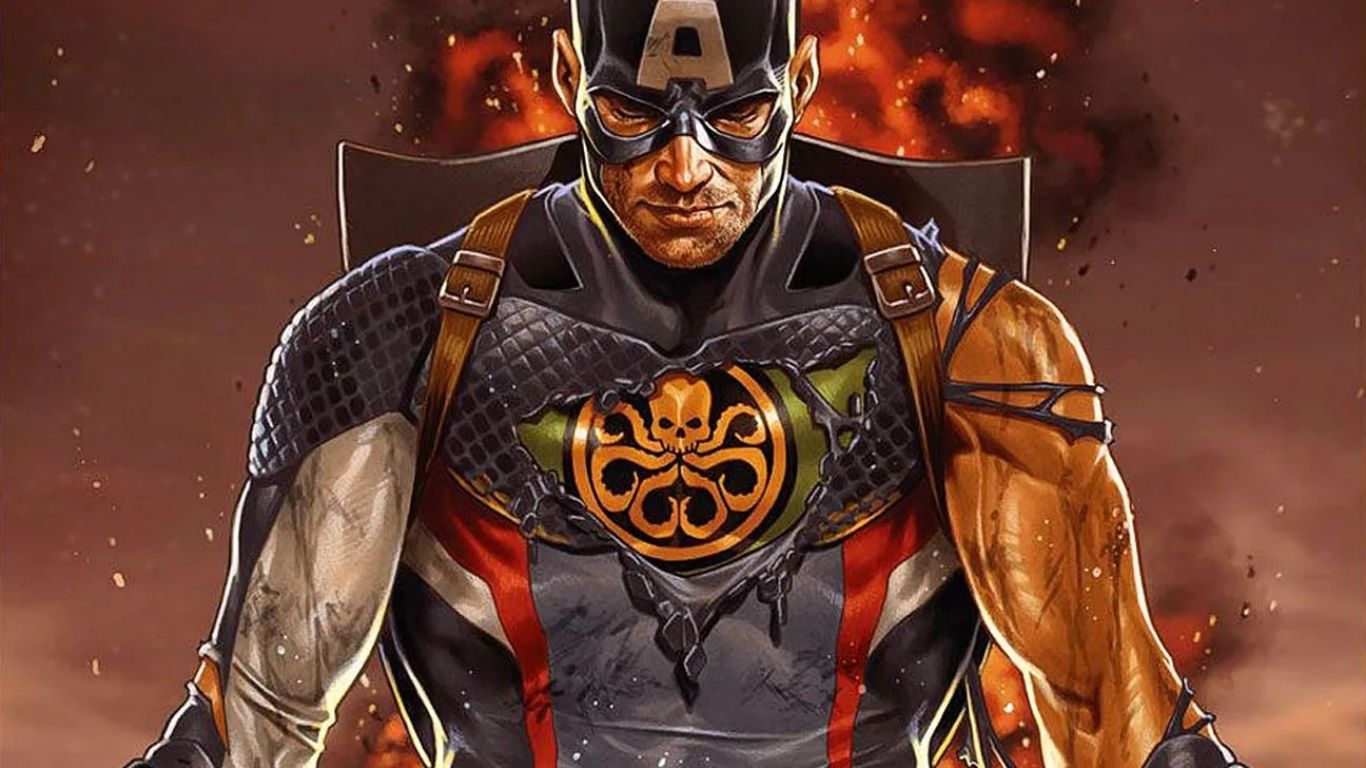
Fans were furious. Steve Rogers, the symbol of freedom and integrity, a secret Hydra agent? Impossible. But Nick Spencer’s storyline revealed that the Cosmic Cube—manifested as a sentient girl named Kobik—had rewritten reality, indoctrinating Steve into Hydra’s ranks.
Suddenly, Captain America’s heroic history was tainted by manipulation and deceit. Eventually, Kobik’s powers restored the “true” Captain America, but the shockwaves of that moment lingered for years. It was bold, divisive, and unforgettable.
Beyond the List: More Twists Worth Mentioning
Of course, this list barely scratches the surface. Fans could argue for days over other unforgettable twists—Barbara Gordon’s shooting in The Killing Joke, Sharon Carter’s shocking betrayal in The Death of Captain America, or the mystery behind Batman: Hush. Comics thrive on surprise and reinvention, which means there’s always another twist waiting to blow our minds.
So, what about you? Which comic book moment left your jaw on the floor? Whether it’s a hero’s dark turn, a villain’s brilliant plan, or a heartbreaking revelation, plot twists are what keep us turning the page.