


IF the thought of life without chocolate seems inconceivable, that is a thoroughly modern privilege. For most of human history, chocolate existed only in a small corner of the world, in a form that would be all but unrecognizable to anyone familiar with creamy bars and sweet desserts. What originated as a sacred, frothy, and bitter drink in ancient Mesoamerica has turned into an industry worldwide that is built on delight, desire, and, far too often, exploitation.
The Ancient Origins of Cacao
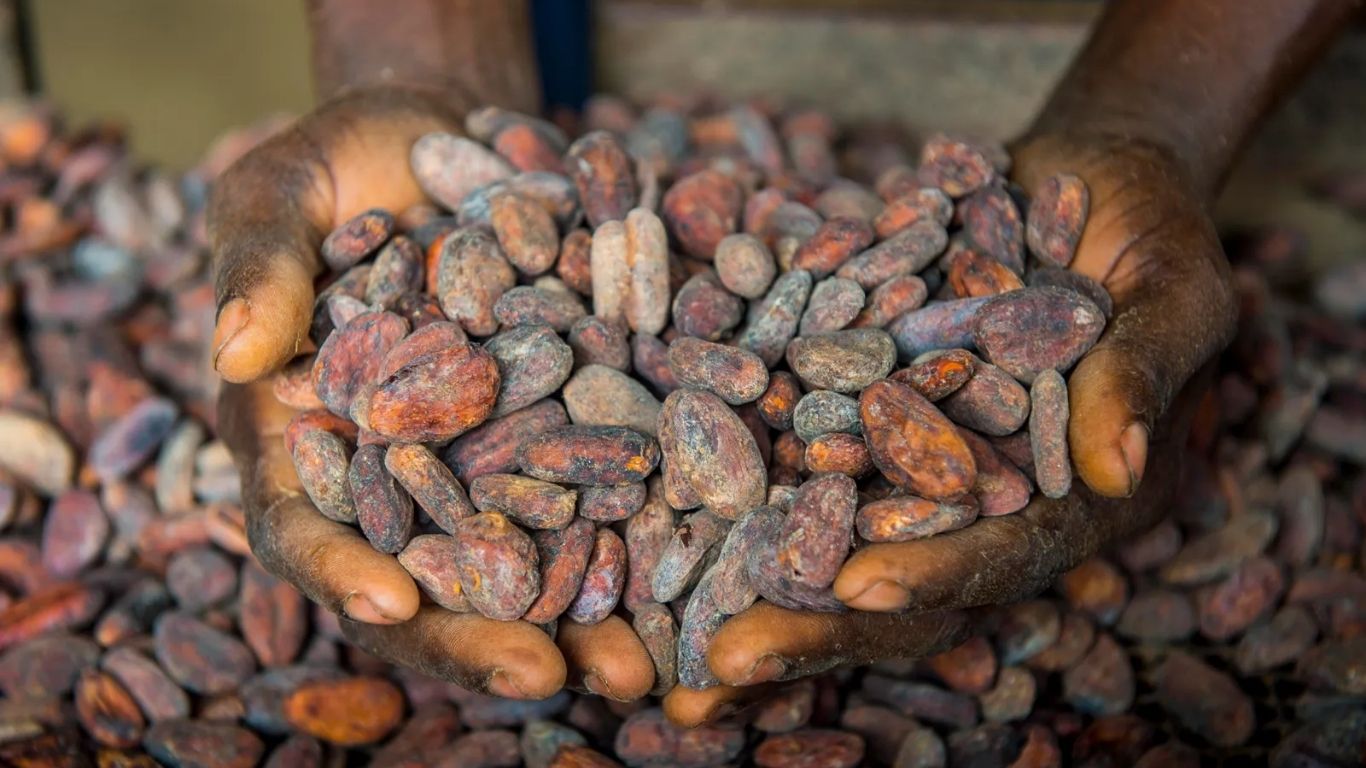
Long before the age of chocolate bars and hot cocoa, the people of Mesoamerica were farming and processing the fruit of the cacao tree. As early as around 1900 BCE, communities learned that the beans could be prepared for a potent drink rather than a solid food. They gathered pods, fermented the beans, and dried them before grinding them into a paste, which could be mixed with other ingredients.
This was by no means the sweet chocolate of today. The ground cacao was mixed with cornmeal and chili peppers, yielding a dark, bitter, energizing liquid. Rather than a soothing, smooth cup, it was a potent, foamy drink created to excite and strengthen, commonly prepared cool or heavily foamed rather than warm and sweet.
Chocolate as a Sacred Gift
To the peoples of Mesoamerica, cacao represented much more than a flavoring or a casual drink. It was a gift from heaven, lavished on humanity by the gods. According to Maya mythology, cacao originated from a feathered serpent god they called Kukulkan, while the feathered serpent deity that the Aztecs knew was referred to as Quetzalcoatl. This connection to such an important god raised cacao to the level of a sacred offering and into ceremonial life.
Cacao thus became interwoven into myth, ritual, and social hierarchy. Consuming cacao was often a privilege, especially in its most refined forms. The drink served in elite gatherings was not just nourishment; it was a symbol of cosmic connection, status, and favor from the gods. When people raised a vessel of foamy cacao to their lips, they were participating in a tradition that tied them to divine origin stories and cosmological beliefs.
Currency, Power, and Daily Life
Beyond that, cacao beans also served as a physical store of value among the Aztecs. The beans themselves could be used as psychology-of-money-by-morgan-housel/”>money, and for that reason, cacao was both a substance associated with the sacred and simultaneously a quotidian financial instrument. They moved through the markets, buying goods and services in quantities that could be counted bean by bean.
With this came chocolate drinking. The cacao-based beverages of the Aztec nobles were keystones in white-royal-blue-by-casey-mcquiston/”>royal feasts wherein the drink epitomized wealth, prestige, and refinement. Warriors might be rewarded with cacao for military success; one cup of chocolate could therefore represent both pay and honor. Even outside palaces and temples, cacao shaped daily interactions, entwining the idea of “chocolate” with power, prosperity, and social order in ways that go beyond taste.
The First Transatlantic Encounter
Chocolate’s trajectory beyond-the-storm-an-ember-in-the-ashes-book-4-by-sabaa-tahir/”>beyond Mesoamerica began in the 16th century, with the arrival of Spanish colonizers. In 1519, Hernán Cortés visited the court of the Aztec ruler Moctezuma in Tenochtitlan and therein encountered cacao in its most regal setting. According to accounts from his companions, Moctezuma ordered dozens of jugs of the cacao drink brought forth and poured into golden cups—an impressive display of luxury and abundance.
To the Europeans, this was a strange, bitter, foamy drink unlike anything they had ever experienced. The ritual surrounding it, the vessels of precious metals, and even the numbers of cups underlined how cherished cacao was to the Aztecs. At moments of contact like these, chocolate represented more than a single new flavor but a gateway to a whole belief structure and power distribution the Spanish did not yet know but were already learning to take advantage of.
From bitter medicine to sweet luxury
When the Spanish carried cacao beans back across the Atlantic, chocolate began a new phase in its history. Its strong, bitter flavor made it, for European tastes, more a medicine than a pleasure drink at first. It was prescribed for various ailments, such as stomach problems, and it was discussed in medical rather than in gastronomic terms. Its energizing properties made it seem like a kind of exotic tonic.
But European tastes soon reformed the beverage. Chocolate became palatable and even desirable to aristocratic tastes through the use of honey, sugar, or vanilla added to the chocolate. As sugar itself became more widely available through colonial plantations, sweetened chocolate was transformed from a strange medicinal brew into a fashionable luxury. In the Spanish court and later around Europe, chocolate became a status symbol enjoyed in ornate cups, savored in salons, and connoting refinement and high social position.
Desire, Scandal, and Chocolate Ware
As chocolate spread among European elites, it gained a reputation for sensuality. Missionaries’ lurid descriptions of Native customs and ceremonies around cacao helped frame it as an aphrodisiac. These salacious narratives, combined with the drink’s stimulating effect, encouraged the idea that chocolate was not just enjoyable but seductive, even dangerous in its pleasures.
The domestic culture of chocolate adapted to this fascination. Wealthy homes started to invest in a range of specialized chocolate ware: pots designed specifically for chocolate, cups, and utensils for whisking the drink into its characteristic froth. Entertaining guests with chocolate became both a sign of wealth and of fashion. This served to reinforce its aura of luxury and intimacy, as preparation and sharing became a ritual of social display, courtship, and indulgence behind the walls of aristocratic homes.
Plantations, Slavery, and the Cost of Sweetness
Making chocolate in such quantities that it could meet European demand was a highly labour-intensive process. Cacao trees are an extremely specific crop, only growing within particular tropical climates, and colonial powers developed plantations in the Caribbean and on islands off the African coast to secure supplies. These were heavily reliant on imported enslaved labor, thus directly relating this sweet new European love of chocolate to the brutal realities of the transatlantic slave trade.
Workers on these plantations faced extreme conditions, long working hours, and severe coercion to cultivate, harvest, and process cacao. The same global system built around sugar, tobacco, and other commodities now absorbed cacao as another profitable crop extracted through violence and exploitation. Every cup of chocolate drunk in European courts or salons thus carried an invisible cost: lives uprooted, bodies abused, and cultures disrupted to keep the luxury flowing northward.
The Technological Revolution of the Cocoa Press
Modern chocolate owes much of its form to a breakthrough in the 19th century. In 1828, Dutch chemist and chocolate maker Coenraad van Houten developed a cocoa press that would change how chocolate could be processed. This device separated the natural fat of cacao—the cocoa butter—from the rest of the mass, leaving behind a dry cake that could be ground into a fine powder.
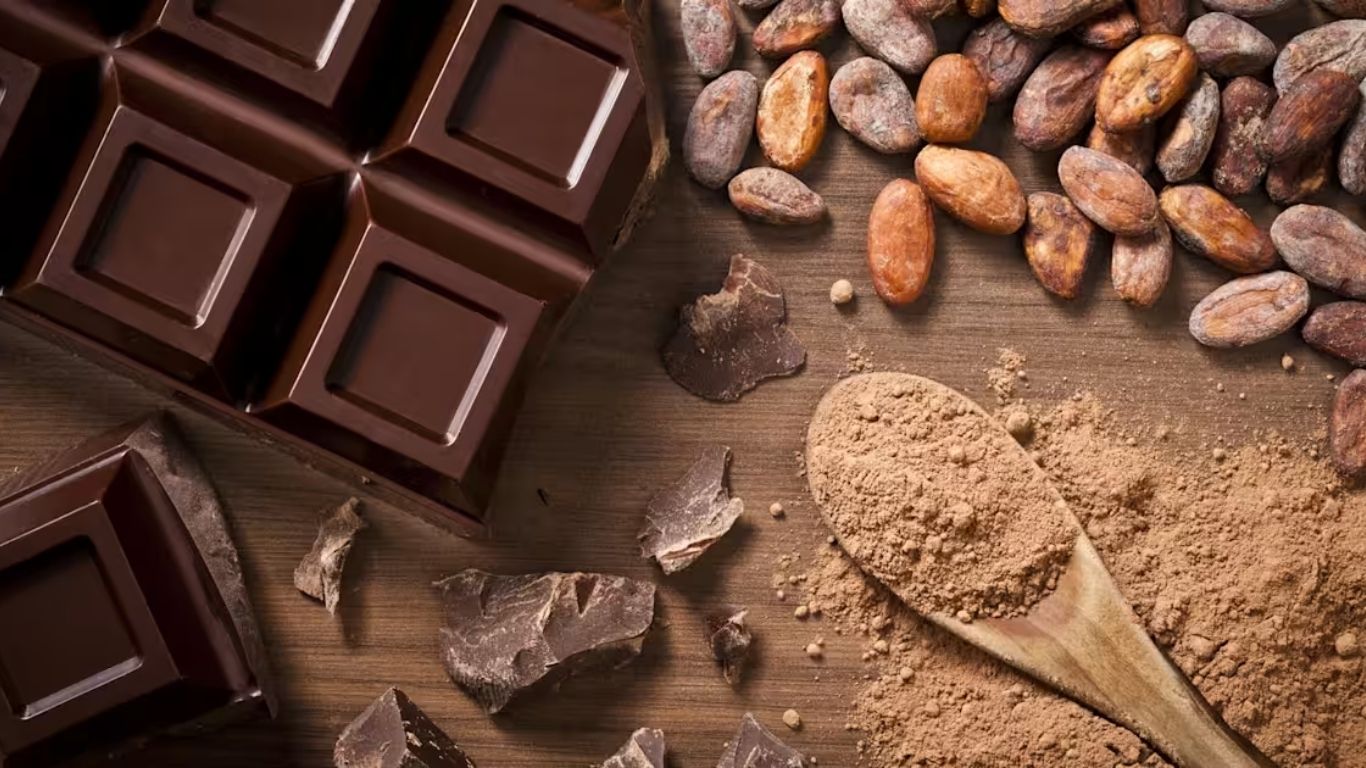
This made chocolate more versatile and much easier to use, since the powder could easily be mixed into a drinkable solution to make smoother, more consistent beverages. Equally important, the extracted cocoa butter could be recombined with cocoa solids in controlled proportions, laying the groundwork for the solid chocolate products known today. Van Houten’s techniques also made it easier to manage bitterness and texture, helping to shift chocolate gradually from an elite indulgence to a product that could be produced on a larger, more industrial scale.
The Birth of Milk Chocolate
Once chocolate could be processed more efficiently, innovators continued experimenting with new recipes. The most significant moment came when Swiss chocolatier Daniel Peter started adding powdered milk to the mix. By combining milk with cocoa powder and cocoa butter, he produced what is today referred to as milk chocolate, a milder, creamier alternative to the darker, more intense versions that prevailed until then.
Milk chocolate was more appealing to a wider audience. The softer flavor and smoother texture than traditional dark chocolate appealed to those who might have found it too bitter or overpowering. In addition to advances in manufacturing and packaging, this innovation helped push chocolate further into the mainstream. Bars, candies, and other solid forms became staples of confectionery shops, transforming chocolate from a rare luxury into a popular treat accessible to a growing number of people.
Chocolate for the Masses
By the 20th century, chocolate had lost much of its aura of exclusivity. Industrialization improved transport and mass-production techniques allowed companies to create chocolate on an unparalleled scale. What was once reserved for elites—be it Mesoamerican nobility or European aristocrats—was now sold to the common man as an everyday indulgence.
Chocolate came to be strongly linked with holidays, celebrations, and comfort. It was there in gift boxes on Valentine’s Day, in festive wrappers on religious and national holidays, and in household pantries as a staple snack. Advertising played a large role in this expansion, presenting chocolate as both wholesome and decadent, suitable for children yet imbued with adult romance and allure. The product’s deep historical links to ritual and status now took on a commercial gloss, as chocolate became a symbol of happiness, reward, and emotional satisfaction.
Shifting Fields: Cocoa Moves to West Africa
But as demand for chocolate went up, so did the demand for more and more cacao. The crop can only thrive near the equator, and over time, the geography of production shifted. Rather than primarily being dependent on plantations in the Americas, the center of cocoa farming moved to West Africa. By 2015, Côte d’Ivoire supplied roughly two-fifths of the world’s total cocoa by itself, making it the single largest producer.
This shift did not sever the link between chocolate and exploitation but rather relocated much of the pressures and problems. West African farmers often operate on thin margins with limited bargaining power, while global companies and markets demand low prices and assured supply. Consequently, the dynamics that once drove the use of enslaved labor on colonial plantations find expression in new but related forms of vulnerability and abuse.
Child Labour & Modern Slavery in Cocoa
One of the darkest aspects of contemporary chocolate production is the widespread use of child and forced labor in parts of West Africa. Many plantations across the region have been documented using children for hazardous tasks, a number of which feed into the supply chains of major international chocolate brands. It is estimated that more than two million children work in cocoa farming in this part of the world; many are under conditions that violate basic human rights.
These children may be forced to work long hours, and to handle dangerous tools or chemicals, thereby losing their childhood and opportunities for education. Some are trafficked, others trapped in situations amounting to modern slavery, and others compelled by extreme poverty to help their families survive. In spite of public promises and various programs by large chocolate companies and partner governments, the problem remains deeply entrenched and difficult to eradicate. The global demand for affordable chocolate continues to press producers, often at the cost of the most vulnerable workers.
Efforts and Obstacles in Reform
The practice of child and forced labor in cocoa production has sparked years of criticism, campaigns by activists, journalists, and consumers. In response, big chocolate companies have initiated certification schemes, development projects, and partnerships with African nations to reduce abusive labor practices, emphasizing monitoring supply chains, supporting local communities, and encouraging schooling and safer work conditions.
But the problem resists quick fixes, too: deep structural poverty, unstable commodity prices, and lax or weak enforcement of labor laws create a climate in which families and farmers feel that they have little choice. When abuses have been uncovered, full traceability and accountability are difficult because of the huge numbers of small farms and intermediaries involved. For the time being, much of the chocolate on store shelves is still linked, directly or indirectly, to labor practices that would appall many of the consumers who enjoy the final product.
Chocolate in Modern Culture and Imagination
Despite its problematic history and present, chocolate occupies a powerful place in the contemporary culture. Chocolate figures heavily in celebrations, romantic overtures, and moments of self-care or indulgence. A bar of chocolate can mark everything from a birthday to a breakup; it acts as a readily available symbol of consolation, luxury, or love. Advertisements further this point with their sensual, decadent, and slightly forbidden representations of chocolate.
This aura draws partly on chocolate’s colonial past and exotic origins. The idea of a mysterious, tropical bean transformed into silky sweetness plays into fantasies of escape and pleasure. Packaging, branding, and storytelling often emphasize richness and indulgence while eliding the historical and contemporary suffering associated with cacao cultivation. The result is a cultural icon that tastes of comfort and joy, even as its backstory includes conquest, slavery, and exploitation.
Rethinking what “sweet” really means
Understanding chocolate’s long and complicated journey—from sacred Mesoamerican beverage to mass-produced global commodity—prompts a more reflective relationship with this everyday pleasure. Each stage in its development added new layers of meaning: divine gift, symbol of power, medicinal tonic, elite luxury, industrial product, object of desire. Running alongside these layers, though, is a consistent thread of inequity and coercion.
The next time one unwraps a bar of chocolate, it is worth remembering that not everything about it is sweet. Behind the shiny wrapper is a history of conquest and colonization; behind the smooth flavor, often, is hard work by underpaid adults and exploited children. Knowing this does not necessarily mean abstaining from chocolate but rather being aware and, when feasible, supportive of better sourcing and fairer practices. Chocolate may still be a source of joy, but an acknowledgment of its past and present makes the enjoyment be based on reality and not illusion.