
Authors
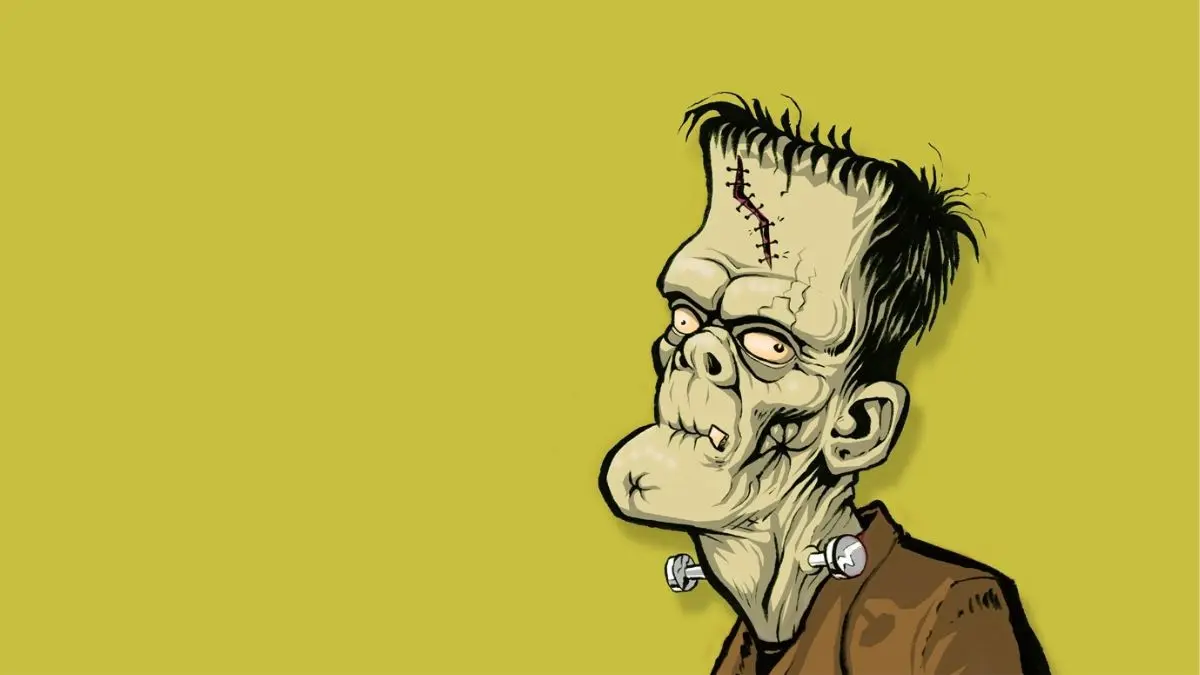
What Makes Frankenstein the First True Science Fiction Novel?
When Mary Shelley published Frankenstein; or, The Modern Prometheus in 1818, she didn’t just create a haunting Gothic tale—she birthed an entirely new...
Are Cliffhangers Good or Bad?
Do cliffhangers actually make stories better? Are Cliffhangers Good or Bad? Or do they frustrate audiences into disinterest and resentment?

Author-Led vs. Publisher-Led Marketing: Which Sells More Books?
In this blog, we’ll dive deep into both author-led and publisher-led marketing strategies, explore real-world examples.

Crowdfunding Books: How Authors Turn Readers into Publishers
Today, authors have another option—one that’s changing the landscape of publishing entirely: crowdfunding books.

What Is Third-Person Narration in Literature?
Let’s dive deep into third-person narration, exploring its types, examples, advantages, and why it continues to dominate the literary scene.

Long Chapters vs. Short Chapters: Which Keeps Readers Turning Pages?
The debate between long chapters and short chapters isn’t just about word count—it’s about pacing, psychology, genre expectations, and how readers emotionally connect...

First-Person vs. Third-Person Narration: Which Immerses Readers More?
Two dominant narrative styles—first-person and third-person—each offer unique advantages and potential drawbacks.


What Is Adapted Screenplays? Everything You Need to Know
What exactly is an adapted screenplays? How is it different from an original screenplay?
Traditional Publishing vs. Self-Publishing: Which Is the Better Path for Authors?
In this article "Traditional Publishing vs. Self-Publishing", we'll break down the key differences, the advantages and challenges of each, and help you determine...
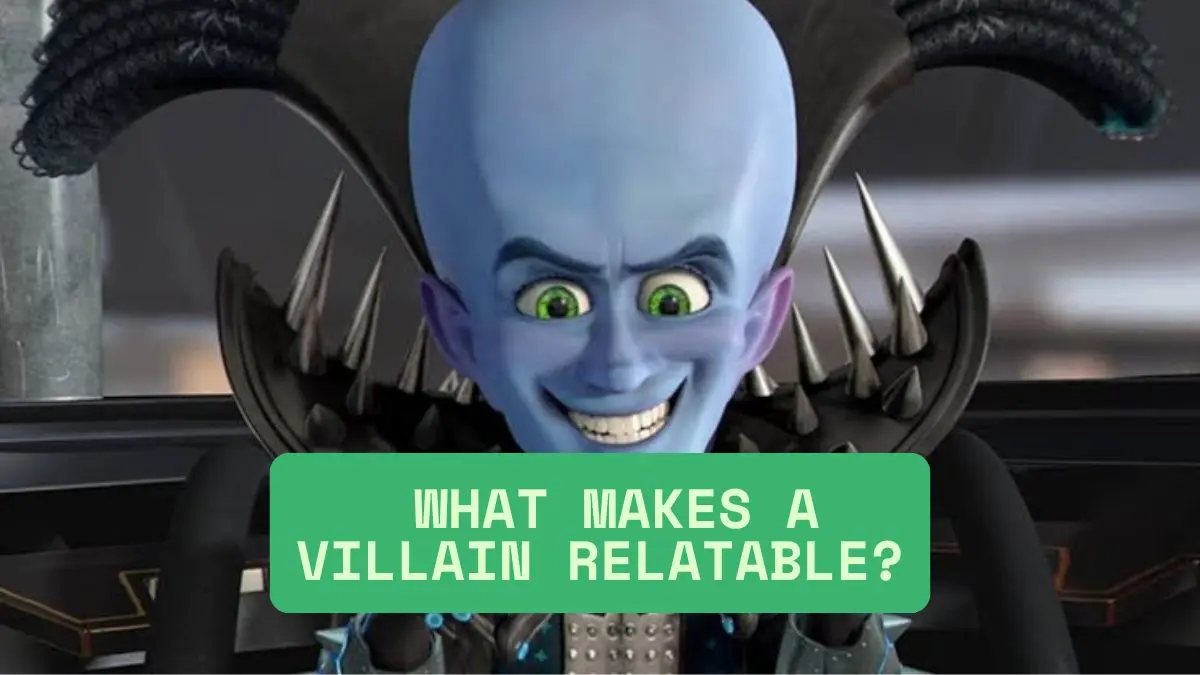
What Makes A Villain Relatable?
what makes a villain truly relatable? Why do we sometimes find ourselves sympathizing with them, even when they commit heinous acts?
How Over-Explaining a Mystery Can Ruin the Story
Let's explore How Over-Explaining a Mystery Can Ruin the Story and why leaving some questions unanswered often creates a more memorable experience.