

Perhaps the most widely read children’s stories in India, Panchatantra stories are based on five principles. These are loss of friends, gain of friends, discord between friends, separation and union. With universal themes such as these and moral stories in the garb of fables, these are a sure hit. Today, we’re discussing – why every kid loves Panchatantra?
Panchatantra Stories: Why Every Kid Loves Panchatantra?
Relatable stories
These Stories are rooted in the culture of India – they talk about everything in the Indian context. This familiarity makes the child comfortable with the story without any hindrance or adaptations required. The stories also often involve children and animals, which are relatable yet interesting.
Stories with a moral are more satisfying
Panchatantra stories are known for their morals. These morals are simple to understand and ingratiating, because they give meaning to the story. For children, a story without morals may be interesting but cannot engage them for long, but a moral story gives them something to think about for a long time. It is food for thought.
Interesting characters
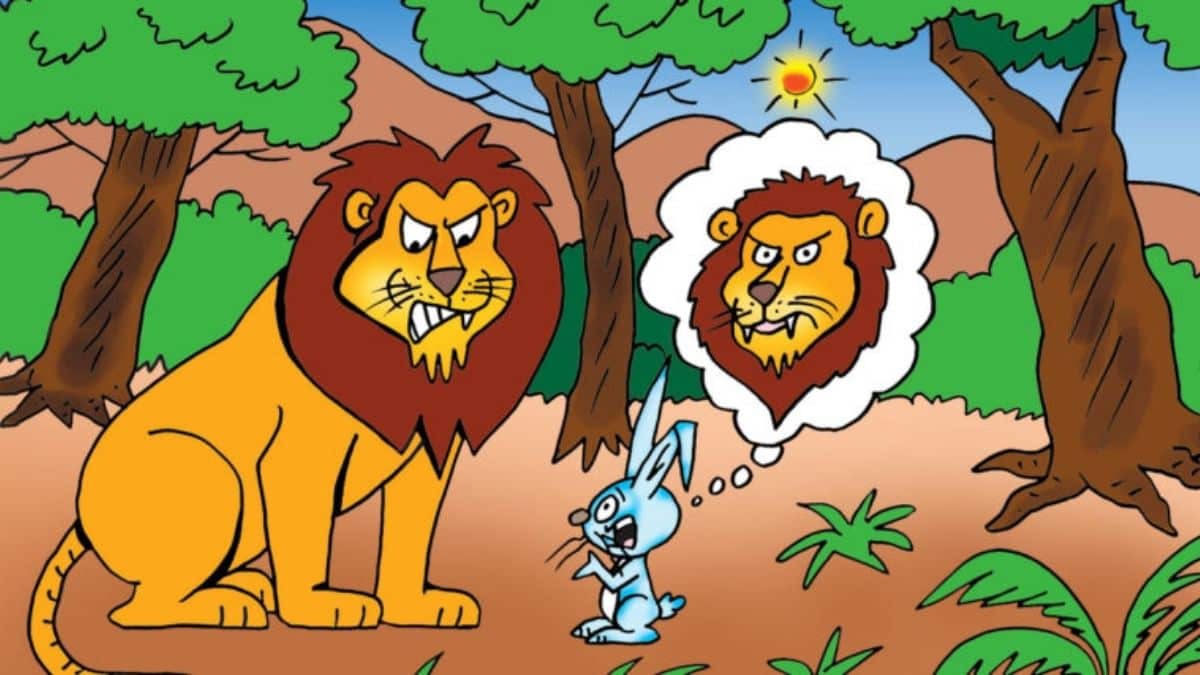
Panchatantra stories star a wide range of animal characters – monkeys, donkeys, horses, goats and more. These animal characters are given specific qualities, and personalities as well, which engage the child. Out of curiosity as well as interest, they develop a liking for these stories that have amusing characters.
Carry the wisdom of the ages
Panchatantra stories have ben travelling through the generations for a long, long time by word of mouth. With every retelling, refinement occurs, and have grown in their richness of wisdom. The stories, as we see today, are a culmination of cumulative pearls of wisdom, and are a treat to children.
Use lots of pictures
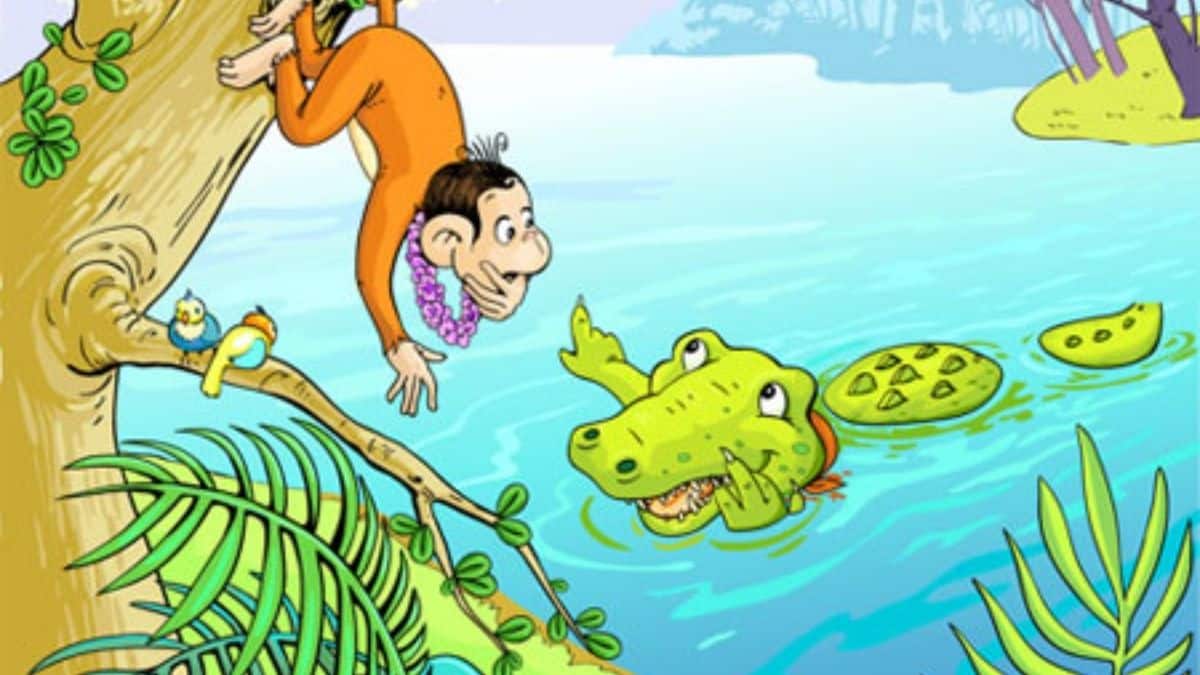
The major prerequisite for any children’s book is the volume of pictures, and Panchatantra delivers on that. These books have vibrant, colourful Indianized pictures, which children of all ages enjoy. The books show human characters dressed the same way as our children and expose them to the world of wonder that is nature. Thus these books have pictures that provide children a portal into another world, which fascinates them.
They are light and full of colour
Another thing that factors into children’s deep liking of Panchatantra is the nature of the stories themselves. These stories do not deal with serious or negative themes. Instead, they tackle consequential themes with a trademark light and fluffy amusement. Their teaching of morals is in a very lighthearted manner, which is appropriate for children.
Thought provoking stories stimulate the children
Panchatantra stories are not just loose plots or even just moral stories – they are thought provoking anecdotes that stimulate the children’s minds. This helps develop the children’s cognition capacities, and this healthy stimulation (presented in a fun way) engages children. These stories have a wealth of topics to think about – from selflessness and greed to love and friendship. Thinking about this helps the child form better relationships and engage with the world in a more fruitful way.
Satisfy the child’s impulse for curiosity
Children have an innate instinct for curiosity – they are constantly seeking new, fresh stimulation. Panchatantra stories are unique and engaging and hence evoke this instinct naturally. The children want to explore a world where animals can talk and where magical things happen. This, these stories play on children’s curiosity and also satisfy that instinct.
They talk about universal themes of love and friendship
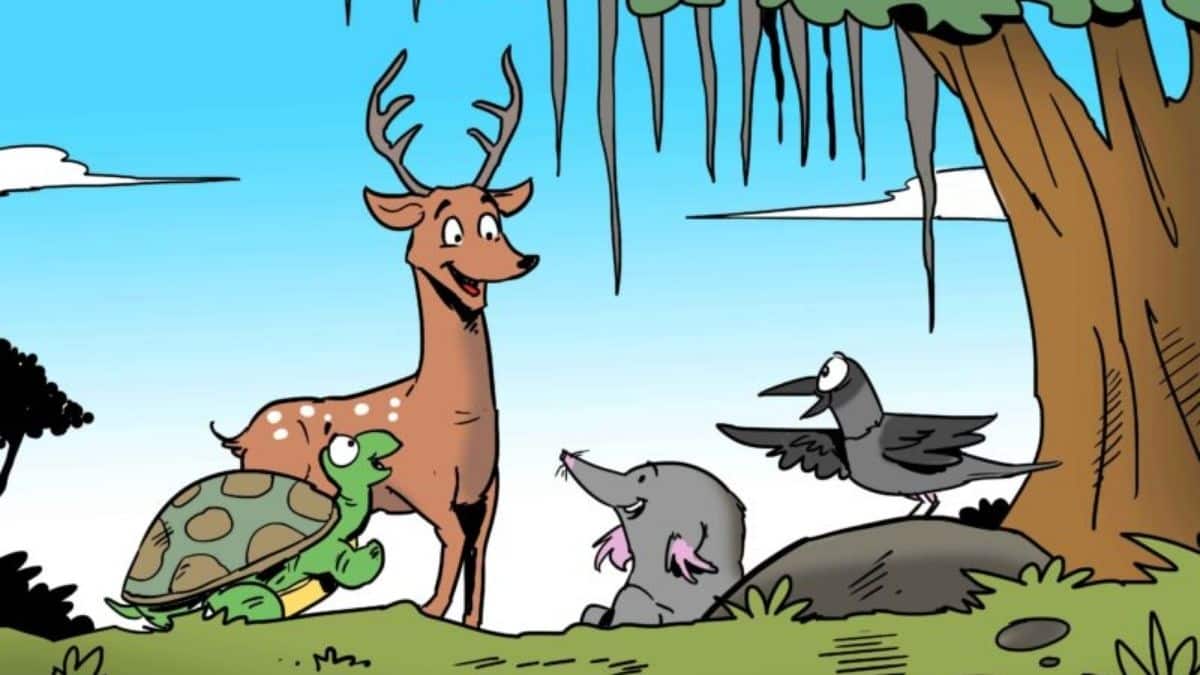
This point ties in with the very first one – children can relate to these stories. As I mentioned before, the five principles of the Panchatantra are based on love and friendship, and these are very universal themes. These give children a basis to found their ideas of relationships on. Thus, children find these books very satisfying.
Also Read: Healthy Snacks: 10 Best Low Calorie Snacks While Reading