

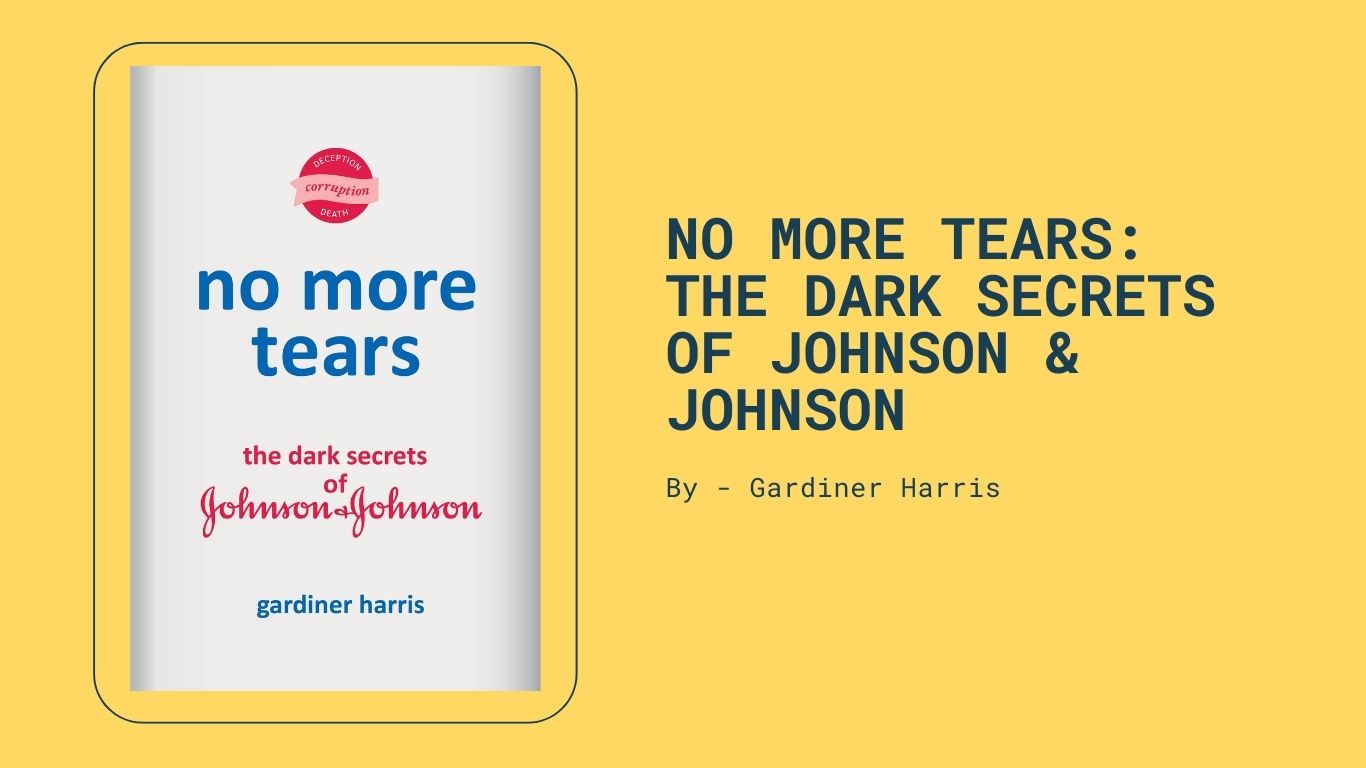
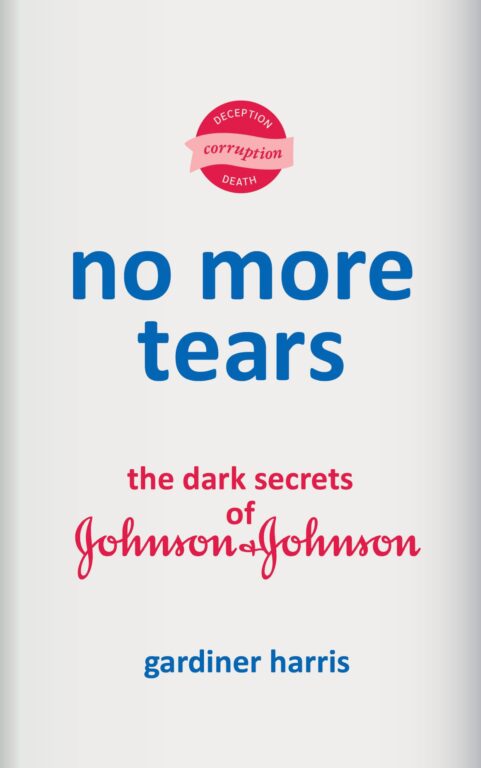
For generations, Johnson & Johnson symbolized safety, care, and reliability. From baby shampoo to bandages, the brand was woven into childhood memories and household routines around the world. Parents trusted it without hesitation. Hospitals relied on it. Doctors prescribed its medicines with confidence. No More Tears: The Dark Secrets of Johnson & Johnson by Gardiner Harris shatters that comforting image. Through investigative reporting, legal records, and whistleblower accounts, Harris exposes the troubling reality behind one of the most powerful healthcare corporations in history. This book is not fiction, yet it reads like a corporate crime saga—one where profits overshadow human lives, and accountability is repeatedly delayed or avoided. This review explores the book’s narrative structure, major revelations, themes, writing style, and overall impact, along with why it is such an unsettling yet necessary read.
The Purpose Behind “No More Tears”
Gardiner escape-by-lisa-harris/”>Harris brings years of experience as a health and pharmaceutical reporter into this book. His interest in Johnson & Johnson did not originate from a single scandal, but from a slow accumulation of troubling patterns. What began as curiosity turned into years of investigation.
The central purpose of the book is clear: to reveal how a company celebrated for ethics and compassion repeatedly placed profits above patient safety. escape-by-lisa-harris/”>Harris does not rely on speculation. His narrative is built on court decisions, internal company documents, testimony from affected patients, and stories of insiders who tried—and often failed—to stop harmful practices.
“No More Tears” does not aim to shock for entertainment. Its goal is systematic exposure.
Plot Overview: How the Story Unfolds
Although this is a nonfiction investigation, the book follows a powerful narrative arc built through a series of connected scandals.
The Baby Powder Legacy
The midnight-a-story-of-hope-justice-and-freedom-by-brittany-k-barnett/”>story begins with one of Johnson & Johnson’s most iconic products: baby powder. Marketed for purity and gentleness, it became a trusted staple in homes worldwide. Harris uncovers how talc, the powder’s main ingredient, was connected to asbestos contamination for decades.
Internal warnings, scientific studies, and legal action pointed toward long-term cancer risks, particularly ovarian cancer. Yet the product remained on shelves for generations. The emotional weight of this revelation is devastating—something designed for infants may have contributed to life-threatening illness later in life.
Tylenol: A Crisis That Built a Myth
The book revisits the famous 1982 Tylenol poisoning case, widely praised as a model example of responsible corporate behavior. Johnson & Johnson’s swift product recall and safety reforms earned enormous public goodwill.
However, Harris adds depth to that narrative by examining later issues surrounding acetaminophen toxicity. He presents how the positive image created by the Tylenol response later protected the company from deeper scrutiny in other product controversies.
Dangerous Drugs and Medical Products
The heart of the book lies in its examination of multiple pharmaceutical and medical-device disasters:
- Risperdal, an antipsychotic drug promoted far beyond safe and approved uses, including for children and elderly dementia patients, despite serious side effects.
- Procrit, a cancer-related anemia drug promoted aggressively even after studies showed it could increase tumor growth and death rates.
- Duragesic, a fentanyl patch linked to fatal overdoses.
- Hormonal birth-control patches and faulty hip implants, marketed after earlier versions showed known dangers.
Harris carefully documents how warning signs appeared early—and how the company worked to control scientific narratives, suppress unfavorable data, and continue sales.
Pelvic Mesh and Permanent Damage
One of the most disturbing sections covers pelvic mesh implants. Used to treat medical issues in women, these devices often caused internal organ damage, chronic pain, infections, and permanent disability.
Despite growing evidence of harm, sales continued for years. The patients’ suffering became another example of product risk treated as a financial calculation.
Opioids and the COVID-19 Vaccine
Harris also examines Johnson & Johnson’s role in the broader opioid epidemic, revealing how fentanyl-based products contributed to nationwide addiction and deaths.
The book concludes with the company’s COVID-19 vaccine—an effort that carried both public health hope and scientific controversy. Even in a global emergency, corporate decision-making remained tangled with public relations and profit protection.
Regulators as Silent Enablers
Throughout the book, the U.S. Food and Drug Administration appears less like a watchdog and more like a compromised referee. Harris shows how industry funding, political pressure, and revolving-door careers weakened oversight and delayed decisive action.
Core Themes: Trust, Power, and Human Cost
Betrayed Public Trust
Johnson & Johnson did not sell products alone—it sold reassurance. Harris shows how that emotional trust became the company’s greatest shield. Generations trusted the brand instinctively, allowing harm to unfold quietly for years.
Profit Over Patients
Internally, the book portrays repeated decisions where projected revenue outweighed safety concerns. Legal settlements became part of operating costs rather than deterrents.
Systemic Failure
This is not just a story about one bad company. Harris presents a broader criticism of pharmaceutical regulation, medical marketing, paid scientific influence, and weak enforcement.
Writing Style and Narrative Approach
Harris writes with journalistic clarity and precision. Scientific processes, medical consequences, and legal battles are explained in accessible language without oversimplification.
However, the density of information can be overwhelming at times. Readers encounter numerous drug names, court cases, and regulatory details. At moments, the book feels closer to a legal dossier than a casual narrative.
Yet this density also strengthens its credibility. Every claim is grounded in evidence, making the anger it provokes impossible to dismiss.
How Critics and Readers Reacted
Across multiple professional and independent reviews, the overall response has been intensely serious and largely positive:
- The book is widely described as a damning portrait of one of the most powerful healthcare corporations in the world.
- Reviewers praise its research depth and clarity in explaining highly complex medical and legal issues.
- Many readers describe emotional reactions ranging from disbelief to anger.
- Some criticism is directed at the book’s heavy technical detail and long length.
- Others note that the final attempt at balance—acknowledging some positive contributions—feels small compared to the scale of documented harm.
Despite minor stylistic criticisms, the book is widely respected for its investigative strength.
Final Verdict: Is “No More Tears” Worth Reading?
This is not a comfortable book. It strips away comforting illusions about corporate responsibility in healthcare. It shows how branding, lobbying, and selective science can distort truth for decades.
If you are a reader interested in:
- Healthcare ethics
- Corporate accountability
- Pharmaceutical safety
- Or the real forces shaping global medicine
then No More Tears is essential reading.
It does not offer easy solutions, but it demands better questions—from regulators, doctors, journalists, and everyday consumers. After reading it, it becomes impossible to view a familiar healthcare logo without skepticism.