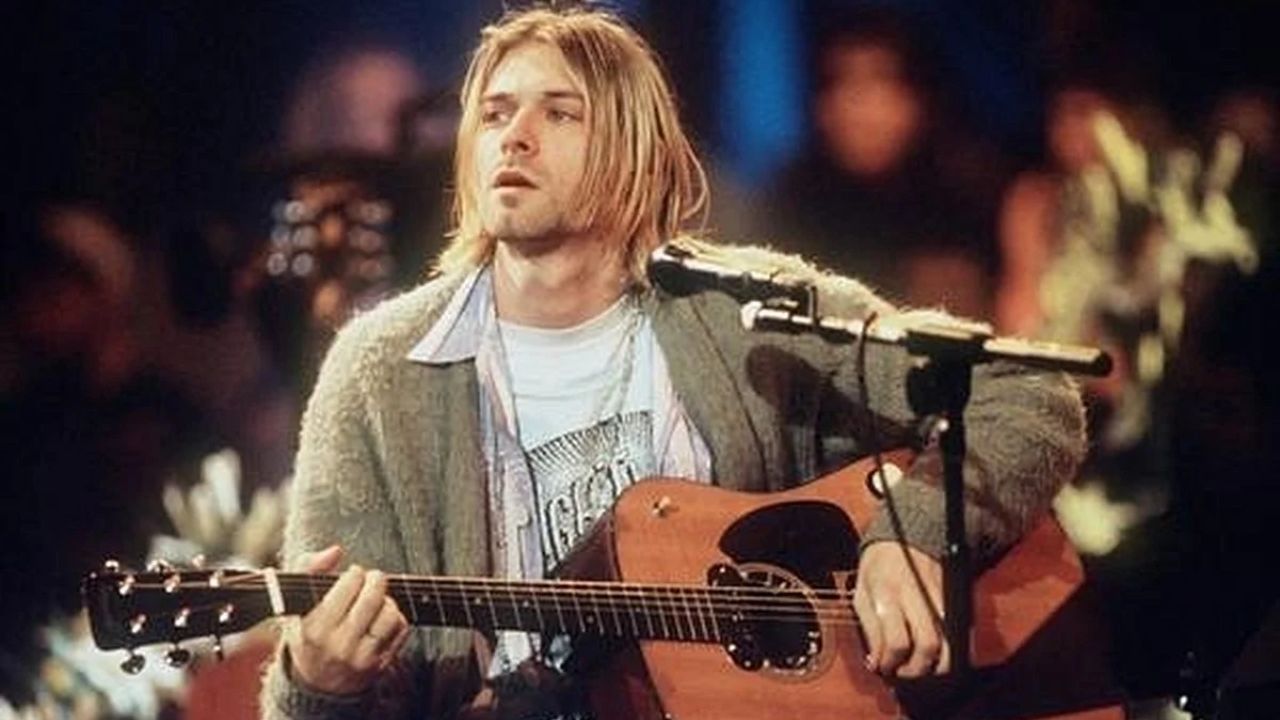
Nearly three decades after the death of Nirvana frontman Kurt Cobain, the case that once seemed closed is again under public scrutiny. An independent forensic review is challenging the long-standing ruling that the 27-year-old rock icon died by suicide, raising fresh questions about what happened inside his Seattle home in April 1994.
Cobain, the voice behind Nirvana and a defining figure of the grunge movement, was found dead from a shotgun wound to the head. Authorities ruled his death a suicide, noting his well-documented struggles with drug addiction and depression. For years, that conclusion stood — even as conspiracy theories swirled, fueled by doubts about the suicide note and the turbulent nature of his marriage to fellow musician Courtney Love. A 1998 documentary, Kurt & Courtney, amplified those suspicions, suggesting that the possibility of homicide could not be dismissed.
Now, a newly presented forensic analysis is reigniting the debate.
The independent review was conducted by forensic specialist Brian Burnett and researcher Michelle Wilkins. According to the team, their peer-reviewed findings raise serious concerns about whether Cobain could have physically fired the weapon that killed him. Their analysis focuses on autopsy details, organ findings, blood patterns, hand placement, and the arrangement of drug paraphernalia found at the scene.
Central to their argument is the level of heroin reportedly found in Cobain’s system — described as significantly above a lethal threshold. The team suggests that such a dose would likely have rendered him incapacitated, potentially even comatose. Wilkins has pointed to signs of oxygen deprivation in the brain and liver, arguing that certain organ damage observed in the autopsy aligns more closely with an overdose scenario than with an instantaneous shotgun death.
She has questioned whether someone in that physical state could have held and fired a shotgun. The report further contends that Cobain’s body position and the placement of the weapon raise red flags. His hand was reportedly found gripping the barrel of the shotgun, yet investigators behind the new review claim there was an absence of blood spatter on that hand — something they argue would be unusual in a typical shotgun suicide.
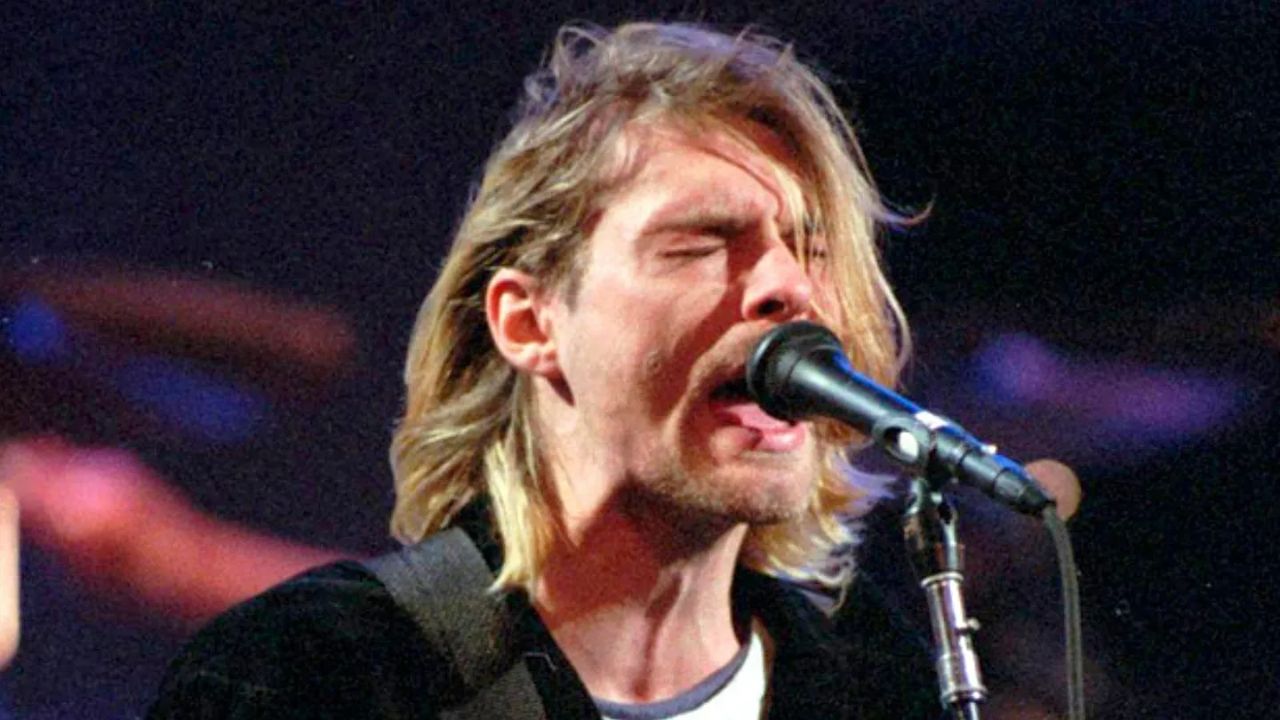
The cleanliness of the scene is another point of contention. Wilkins described the area around Cobain’s body as “eerily clean,” contrasting it with what she says are typically chaotic and blood-saturated environments in similar cases. The heroin kit found nearby was also reportedly arranged neatly. The team questions whether someone with such a high concentration of heroin in their system could have methodically capped needles and organized paraphernalia before shooting themselves.
Their conclusion stops short of accusing any individual but suggests the possibility that Cobain may have been confronted, forcibly overdosed to incapacitate him, and then shot — with the scene staged to resemble suicide. The report does not call for arrests. Instead, it urges transparency and a formal review of the case by authorities.
Seattle officials, however, have not shifted their stance.
The Seattle Police Department has reiterated that detectives previously concluded Cobain died by suicide and that this remains the department’s position. Similarly, the King County Medical Examiner’s Office has stated that it has seen no new evidence sufficient to warrant reopening the investigation, though it maintains that it remains open to reviewing new material should credible findings emerge.
For Wilkins and those involved in the independent review, the request is straightforward: revisit the evidence. “If we’re wrong, just prove it,” she has said, emphasizing that their aim is clarity rather than sensationalism.
As of February 2026, Kurt Cobain’s death remains officially classified as a suicide. Yet the renewed forensic challenge ensures that the questions surrounding one of rock music’s most tragic losses continue to echo — a reminder that even decades later, some stories refuse to fade quietly into history.