

Artificial Intelligence (AI) has become an integral part of the writing process for many authors, bloggers, and students. Whether it’s brainstorming ideas, checking grammar, or even drafting full paragraphs, AI tools can speed up tasks that once took hours. But with this convenience comes a big question: Is using AI for writing ethical? Let’s unpack this complex issue and offer clear, practical tips for anyone who writes in the age of AI.
The Rise of AI Writing Tools
AI-powered writing assistants—like ChatGPT, Grammarly, Jasper, and others—have become popular because they help writers save time, improve accuracy, and overcome creative blocks. These tools can generate content based on prompts, suggest better sentence structures, and even mimic different writing tones.
For example, a student facing writer’s block on an essay can now prompt an AI for a paragraph, while a blogger can generate product descriptions in minutes. Authors might use it to brainstorm plot points or character names. But here’s the catch—does using AI for any of these tasks count as cheating, plagiarism, or unethical behavior?
Ethics Depends on Transparency and Intent
When it comes to ethics, the key factors are transparency, intent, and context. Let’s break that down.
- Transparency means being honest about using AI. If you present AI-generated content as your original, unassisted work—especially in academia or journalism—that’s a problem.
- Intent matters because if you’re using AI to cut corners or mislead your audience (like passing off AI content as your creative writing), then you’re crossing ethical lines.
- Context changes everything. A blogger using AI to optimize SEO headlines isn’t held to the same ethical standard as a student submitting an essay generated entirely by AI.
So, yes—AI can be used ethically, but the line between helpful and harmful depends on how and why you use it.
Is It Cheating? A Look at Academic Writing
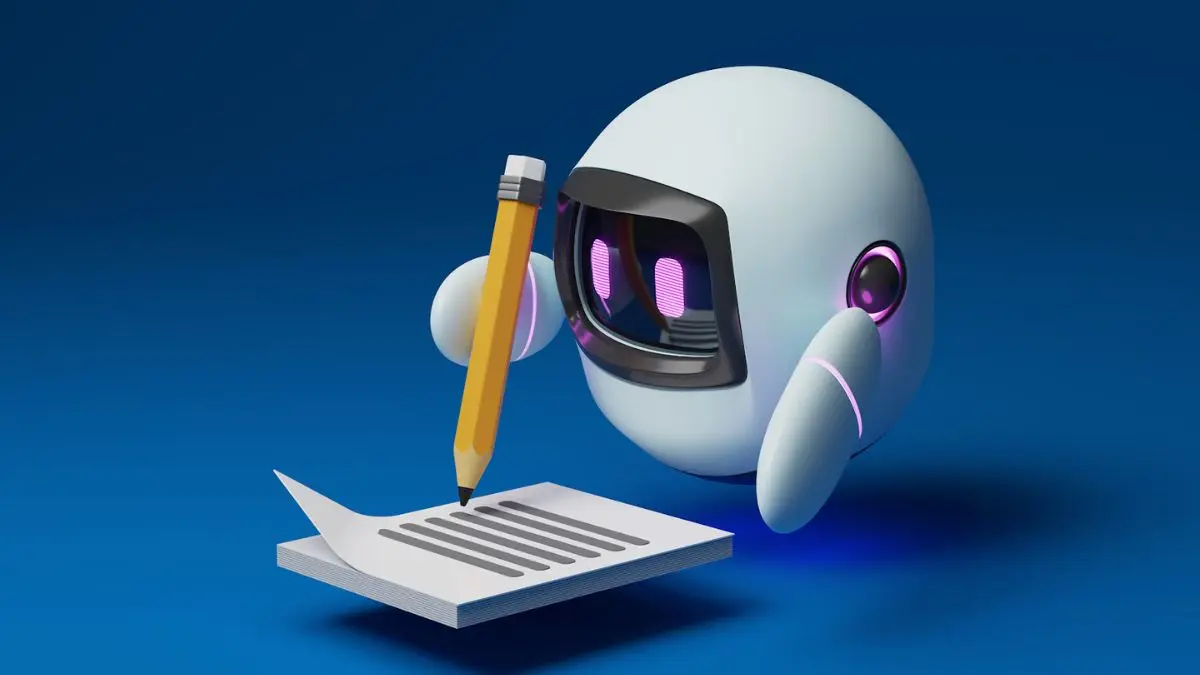
In education, using AI tools comes with higher scrutiny. Many schools and universities now treat AI-generated writing the same way they treat plagiarism. If a student submits an assignment written by an AI without citation or acknowledgment, they may face academic penalties.
That said, using AI as a learning tool—to generate sample answers, get feedback on grammar, or outline ideas—is often encouraged. It’s similar to using a tutor, as long as the final work reflects your own understanding and effort.
Tip for Students:
Use AI to enhance your learning, not replace it. Always disclose your use of AI tools if required by your institution, and never copy-paste AI content as-is for graded assignments.
For Bloggers: Balancing Efficiency with Authenticity
In blogging, the ethical use of AI comes down to audience trust. Readers expect your voice, your opinions, and your expertise. If your blog is just a rephrased version of AI content, it can damage credibility in the long run.
AI can be a great starting point—it helps brainstorm titles, generate outlines, and speed up repetitive writing tasks. But ultimately, your personality and originality should shine through.
Tip for Bloggers:
Use AI as a digital assistant, not a ghostwriter. Review, rewrite, and personalize any AI-generated content. Add your insights, experiences, and human touch to maintain trust with your audience.
For Authors: Creativity Should Still Be Human-Driven
Authors have the most at stake when it comes to the ethics of AI writing. Fiction and nonfiction books carry the promise of original thought and creativity. While using AI to brainstorm character names or plot twists is perfectly fine, letting AI write large parts of a novel and then calling it your own work is ethically gray—especially if you don’t disclose it.
In the publishing world, originality is everything. Readers buy books expecting a unique perspective, not recycled text or machine-generated narratives. Worse, some AI content can unintentionally mirror existing works, raising issues around unintentional plagiarism.
Tip for Authors:
Let AI help you brainstorm and beat writer’s block—but never let it replace your unique voice. If AI helps you create a sentence or a paragraph, consider editing it heavily or treating it like a first draft, not a final product.
Legal and Copyright Concerns
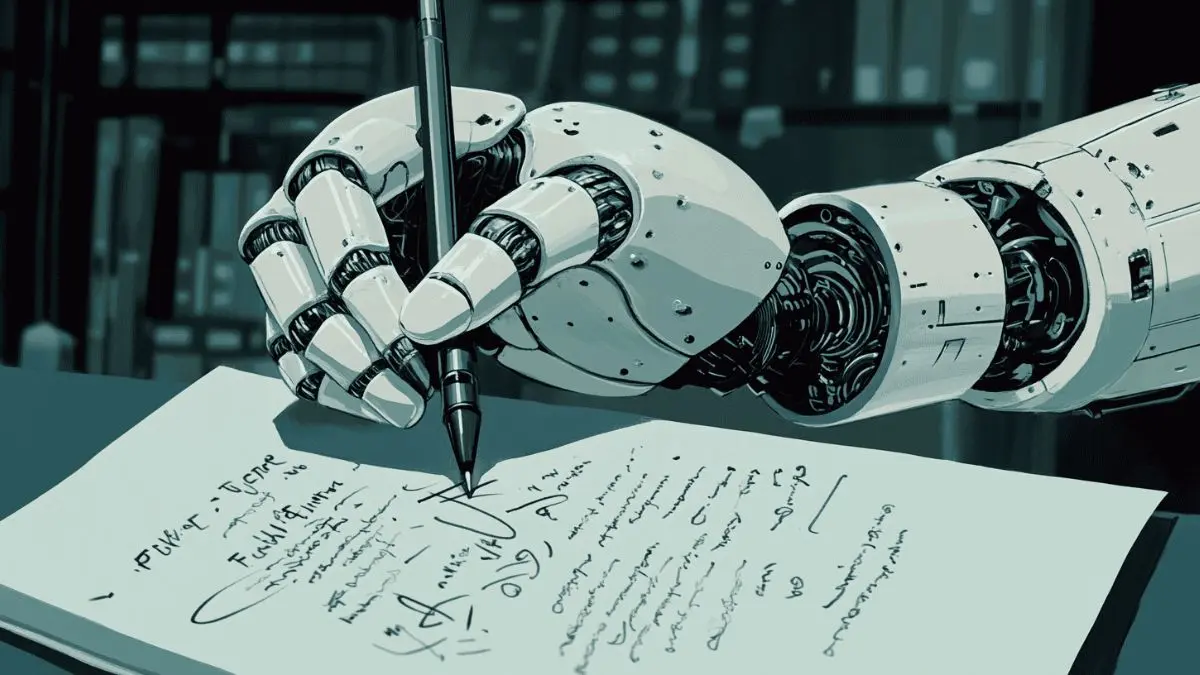
Another layer of the ethics debate is legal responsibility. Who owns AI-generated content? If AI creates a story, poem, or article, and you publish it under your name, is it technically yours?
Currently, most countries do not allow copyright protection for content generated entirely by AI without significant human input. That means if someone else copies your AI-written article, you may not be able to claim legal ownership. Ethically, if you’re profiting from AI work that you didn’t significantly modify or contribute to, you’re on shaky ground.
Tip for All Writers:
Always add your own original input to any AI-assisted content. The more human creativity involved, the safer you are—both ethically and legally.
Best Practices: Ethical AI Writing Tips for Everyone
Here are some actionable guidelines to help you stay on the ethical side of AI writing:
- Disclose when necessary: If your work is graded, reviewed, or published, be upfront about using AI—especially in academia or professional writing.
- Avoid full automation: Don’t let AI replace you. Use it to brainstorm, outline, or polish—but not to write entire pieces unedited.
- Credit your sources: If the AI paraphrases or mimics other published content, it’s your responsibility to cite the original ideas.
- Revise and personalize: AI drafts should always be a starting point. Add your own stories, humor, perspective, and style.
- Check for originality: Run AI-generated content through plagiarism checkers before submitting or publishing.
- Stay informed: AI tools are evolving fast. Keep up with platform-specific guidelines, publishing rules, and institutional policies.
Final Thoughts: Write Smarter, Not Lazier
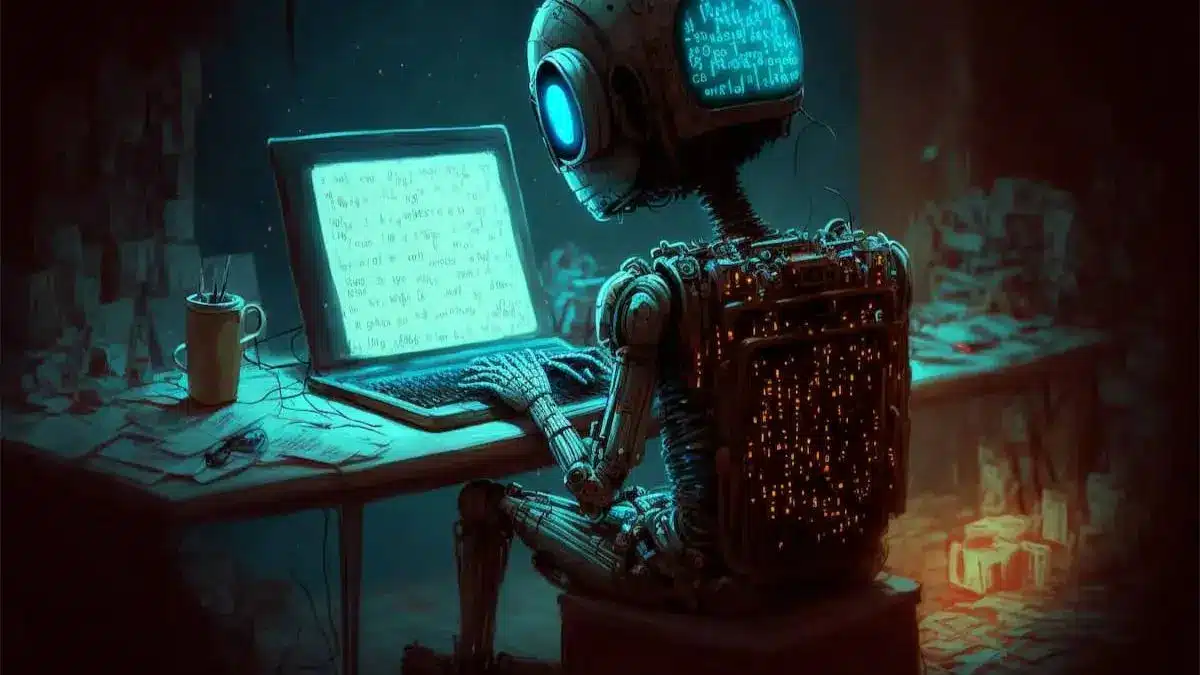
AI isn’t the enemy of creativity—it’s a powerful tool when used responsibly. It can help you write faster, overcome blocks, and polish your ideas. But if you rely on it too heavily, you risk losing your unique voice—and the trust of your audience.
Ethical writing in the age of AI means knowing where to draw the line between assistance and automation. Use AI to write smarter, not lazier. Let it help you express your ideas, not replace them entirely.
In the end, writing is more than just stringing words together—it’s about human connection, emotion, and intent. And no matter how smart AI gets, those things still come from you.
Also Read: 20 Years of YouTube: How It Changed the Internet Forever