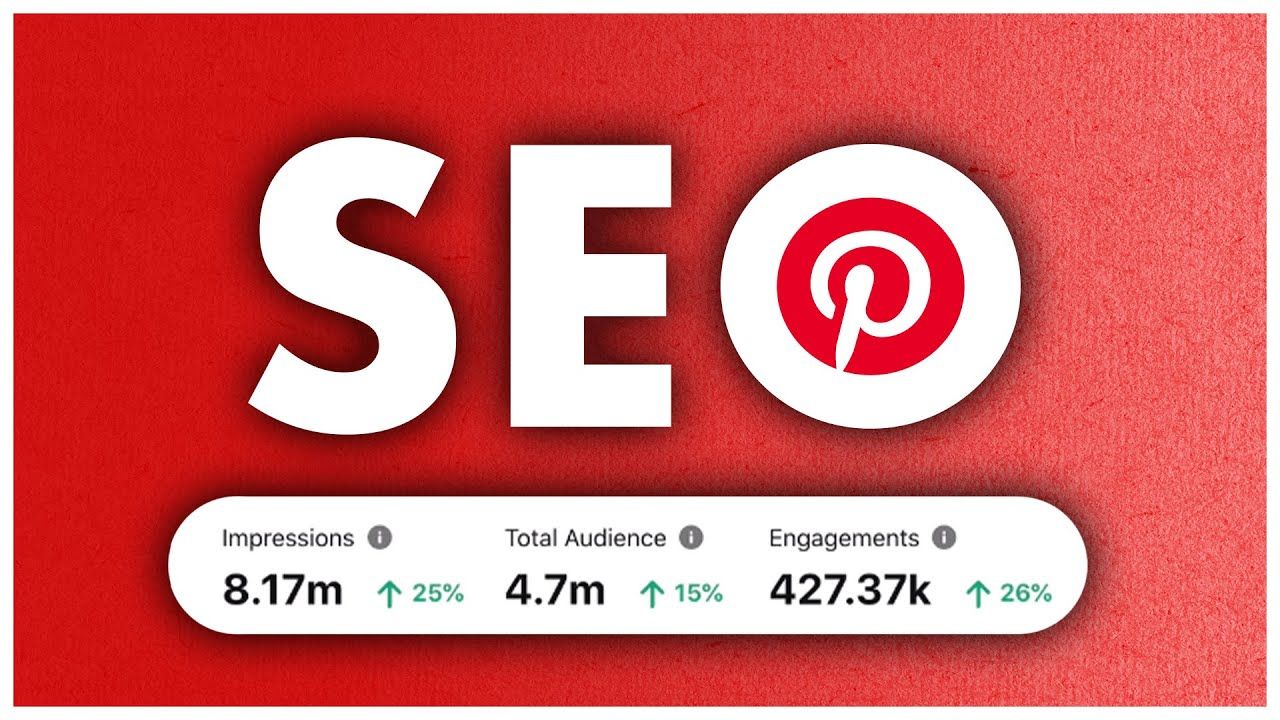
The modern book blogger is no longer just a reviewer or curator—they are a discoverability strategist. In a digital landscape where most platforms reward immediacy and punish longevity, the real challenge lies in ensuring that your content continues to attract readers months, even years, after publication. This is where Pinterest quietly reshapes the rules. Unlike traditional social media, where posts fade within hours, Pinterest operates as a visual search engine—one that rewards relevance, clarity, and long-term value. A single well-optimized pin can continue generating traffic for over a year, creating what can only be described as a compounding traffic engine. For book bloggers, this presents a rare opportunity: the ability to turn every blog post into a long-term traffic asset. This guide explores how to leverage Pinterest SEO not just for visibility, but for sustained, evergreen Traffic.
Understanding Pinterest as a Visual Search Engine
Before diving into tactics, it is essential to understand one fundamental shift: Pinterest is not social media in the traditional sense.
While platforms like Instagram or X thrive on real-time engagement, Pinterest is built for delayed intent. Users are not scrolling to react—they are searching to plan.
A reader on Pinterest is often:
- Building a future reading list
- Searching for book recommendations
- Exploring aesthetics or moods tied to literature
- Planning seasonal reading habits
This “planner mindset” changes everything about how content should be created and optimized.
Where Google answers questions, Pinterest inspires decisions.
That distinction makes Pinterest a powerful top-of-funnel traffic driver. Readers may discover your blog on Pinterest long before they actively search for it on Google. And when they do arrive, they tend to stay longer, engage more deeply, and return again.
Why Pinterest SEO Matters for Book Bloggers
Pinterest SEO is not about gaming an algorithm—it is about aligning your content with how readers search visually and emotionally.
Unlike Google SEO, which relies heavily on backlinks and domain authority, Pinterest prioritizes:
- Keyword relevance
- Fresh content (new pins)
- User engagement (especially saves)
- Visual clarity and appeal
The result is a system where even small or new blogs can compete effectively—provided their content is optimized correctly.
For book bloggers, this levels the playing field. A well-designed pin for a niche topic like “dark academia reading list” can outperform generic, high-authority content simply because it better matches user intent.
Setting Up the Right Foundation
A strong Pinterest strategy begins with technical groundwork. Without it, even great content struggles to scale.
Convert to a Pinterest Business Account
A business account unlocks critical tools:
- Analytics to track performance
- Pinterest Trends for keyword research
- Conversion insights for traffic behavior
This step is non-negotiable for anyone serious about growth.
Claim Your Website
Claiming your blog ensures that:
- Your profile appears on all pins from your site
- You gain access to deeper analytics
- Pinterest recognizes you as the original content creator
For WordPress users, plugins like Yoast SEO or Tasty Pins simplify this process. Other platforms like Shopify or Wix offer built-in integrations.
Enable Rich Pins
Rich Pins automatically pull metadata from your blog and display it on Pinterest. For book bloggers, Article Rich Pins are essential.
They include:
- Blog post title
- Author name
- Meta description
This creates a more professional appearance and ensures that your pins stay updated if your content changes.
For example, if you update “Best Books of 2024” to “Best Books of 2025,” all associated pins reflect the update automatically.

Mastering Pinterest Keyword Research
At its core, Pinterest SEO is keyword-driven. But unlike Google, the keywords here reflect inspiration rather than urgency.
Use Pinterest Autocomplete
Start typing a phrase like “fantasy books” into the search bar. Pinterest will suggest real user queries such as:
- “fantasy books for beginners”
- “fantasy books romance”
- “fantasy books aesthetic”
These suggestions are gold—they represent actual demand.
Leverage Guided Search Bubbles
After searching, Pinterest displays keyword “bubbles” that refine results.
For example:
- “book aesthetic” may lead to
- “dark academia”
- “cozy reading”
- “minimalist bookshelves”
These refinements help you build keyword clusters and create highly targeted content.
Use Pinterest Trends for Seasonal Planning
Pinterest is deeply seasonal.
- “Summer reading list” starts trending around March
- “Cozy winter books” begins rising in late August
Publishing content 60–90 days before peak interest allows your pins to gain traction early.
Designing Pins That Actually Get Clicks
On Pinterest, your image is your headline.
If it doesn’t stop the scroll, nothing else matters.
Optimize for Mobile First
Over 80% of users browse on mobile. Your pins should:
- Use a 2:3 ratio (1000 x 1500 pixels)
- Feature clear, readable text
- Highlight one main idea
Clutter kills performance. Simplicity wins.
Use Visual Hierarchy
Every pin should guide the eye:
- Main benefit or hook
- Supporting text
- Visual anchor (book cover or aesthetic)
For example:
- “10 Books That Feel Like Dark Academia” (primary hook)
- Subtle subtitle or supporting phrase
- Background imagery that reinforces the mood
Apply Genre-Based Color Psychology
Readers respond subconsciously to colors tied to genres:
- Thrillers: dark tones, reds, shadows
- Romance: soft pinks, warm hues
- Fantasy: purples, golds, rich textures
- Non-fiction: clean whites, blues
Matching visuals to genre expectations increases relevance and engagement.
Use the Von Restorff Effect
In a crowded feed, contrast is power.
A single bold element—like a bright accent color—can make your pin stand out dramatically. This “isolation effect” improves both clicks and saves.
Building a Scalable Content Strategy
Many book bloggers make one critical mistake: they rely solely on individual book reviews.
Pinterest rewards variety and volume.
The Hub-and-Spoke Model
Treat each blog post as a “hub” and create multiple pins (spokes) for it.
For a single post, you can create:
- A standard review pin
- A quote graphic
- A listicle-style pin
- An aesthetic collage
- A short video pin
Each design counts as a “fresh pin,” which Pinterest prioritizes.
Create Diverse Content Formats
High-performing Pinterest content includes:
- Reading lists
- Book challenges
- Aesthetic guides
- Author deep-dives
- “If you liked X, read this” posts
These formats are highly shareable and often saved for later.
Using Alt Text to Boost Discoverability
Alt text plays a dual role:
- Improves accessibility
- Helps Pinterest understand your image
Instead of vague descriptions, be specific.
Weak alt text:
“book aesthetic dark academia reading list”
Strong alt text:
“A stack of vintage hardcover books with dark covers placed on a wooden desk beside a candle and dried flowers, creating a dark academia reading aesthetic”
This clarity helps Pinterest categorize your content more accurately.
Understanding Pinterest Analytics
Success on Pinterest is not measured by impressions—it is measured by intent.
Key Metrics to Track
- Saves: Indicates value and long-term interest
- Outbound clicks: Shows traffic potential
- Engagement rate: Reflects overall performance
Save-to-Click Insight
If a pin gets saved often but not clicked:
- Your design is appealing
- Your call-to-action is weak
Fix this by adding stronger CTAs like:
- “Read the full list”
- “Click to discover all 10 books”
Automating Growth with Scheduling Tools
Consistency is essential—but manual pinning is unsustainable.
Use Tailwind for Scheduling
Tailwind allows you to:
- Schedule pins in advance
- Identify optimal posting times
- Recycle evergreen content
This ensures your account stays active without daily effort.
Batch Your Content Creation
Instead of designing pins daily:
- Create 20–30 pins in one session
- Schedule them over weeks
This approach saves time and maintains consistency.
Turning Traffic into Revenue
Traffic alone is not the end goal—conversion is.
Use Amazon Associates Strategically
Rather than linking directly to products:
- Send users to blog posts
- Include affiliate links within content
This improves trust and avoids spam flags.
Create Lead Magnets
To build long-term audience ownership, offer:
- Printable reading trackers
- Bookmarks
- Book club discussion guides
Promote these on Pinterest using visually appealing mockups.

The Long-Term Strategy: Building an Evergreen Traffic Machine
Pinterest SEO is not about quick wins. It is about building a system.
A system where:
- Every post generates multiple entry points
- Every pin serves as a discovery tool
- Every visitor feeds long-term growth
Over time, this creates a traffic flywheel:
- Publish blog content
- Create multiple pins
- Drive traffic
- Improve engagement signals
- Boost visibility across platforms
Final Thoughts
Pinterest represents a rare shift in the digital ecosystem—a platform where content longevity still matters.
For book bloggers, it offers something increasingly difficult to achieve elsewhere: sustained visibility without constant reinvention.
By treating Pinterest as a search engine rather than a social feed, focusing on keyword alignment, visual clarity, and strategic consistency, it becomes possible to transform a blog into an evergreen discovery engine.
The result is not just traffic—but durable, compounding growth.
And in a world dominated by fleeting attention, that kind of permanence is a competitive advantage few platforms can offer.