

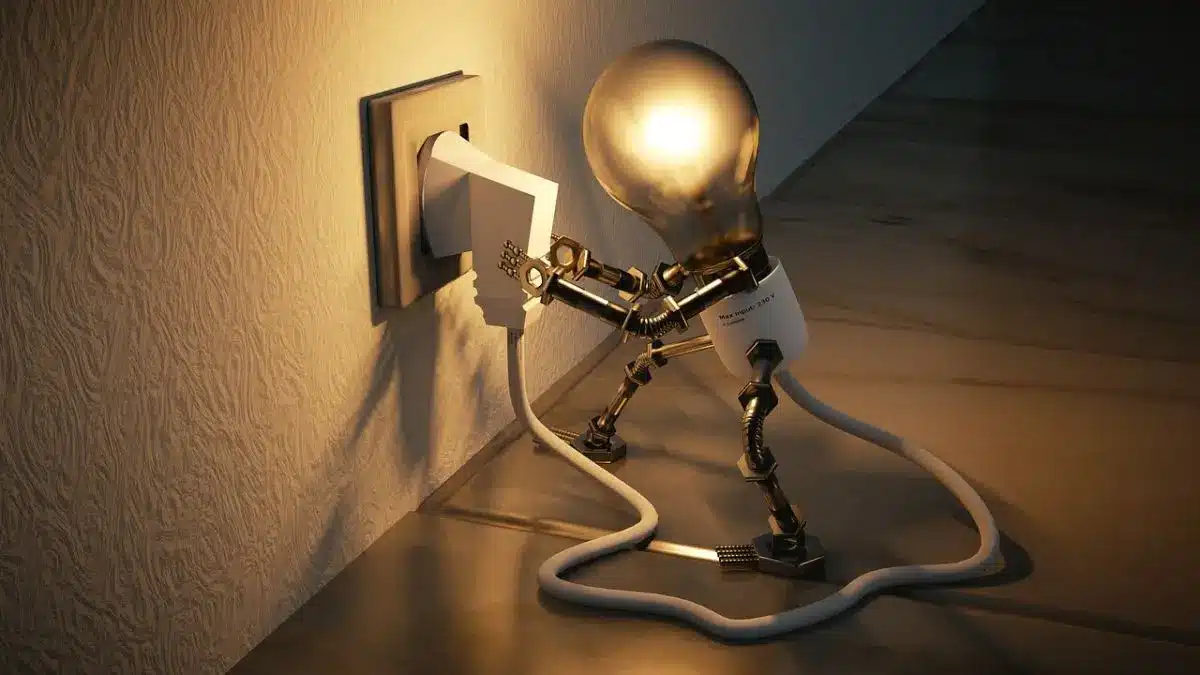
Every time you flip a switch, something remarkable happens—an invisible journey begins. Deep inside a power plant, coal ignites in a furnace, heating water into steam. That steam spins a turbine, triggering a generator that sends billions of electrons racing down a wire. This simple act—turning something on—connects us to a vast and complex electrical network stretching hundreds of miles. But have you ever wondered how much electricity humanity truly needs? As it turns out, that number is not only massive—it’s growing faster than ever before.
Understanding How We Measure Electricity
Before diving into how much we use, let’s first understand how we measure electricity. It starts with the joule—a unit of energy. But electricity is usually not measured in joules alone. Instead, we use watts, which tell us how much energy is used per second. One watt equals one joule per second.
To put it in perspective:
- A smartphone uses about 0.1 watts
- A typical house runs on around 1,000 watts
- A small town needs 1 million watts
- A medium-sized city consumes about 1 billion watts
As of 2020, the entire planet required 3 trillion watts to keep everything running. And that number is only expected to grow.
A Growing Demand: The Road to 2050
Despite the impressive global usage, nearly a billion people still live without access to reliable electricity. As developing countries industrialize and more people connect to the grid, our energy demand is expected to increase by 80% by 2050.
But that’s only part of the story.
Much of the energy we currently use isn’t electrical—it’s based on fossil fuels. Cars burn gasoline, buildings use natural gas for heating, and factories rely on coal and oil for industrial heat. To secure a sustainable future, we must electrify these sectors too.
That means:
- Switching from gas-powered cars to electric vehicles
- Replacing natural gas heaters with electric heat pumps
- Converting industrial processes to run on electricity
When all is said and done, our global electricity demand could triple by mid-century.
The Clean Energy Imperative
Generating all that electricity is only part of the challenge. The bigger question is: Where will it come from?
Today, just one-third of global electricity is produced from clean energy sources like wind, solar, hydro, and nuclear. The rest still comes from burning fossil fuels, which release greenhouse gases and drive climate change.
Fossil fuels are popular because they’re cheap, easy to store, and ready to use on demand. Clean energy, while environmentally friendly, presents different challenges.
The Promise and Limits of Wind and Solar
Wind and solar power are among the most promising clean sources. They work especially well in sunny or windy regions, but they can’t produce power on demand—only when the sun shines or the wind blows. That creates a serious problem: intermittency.
We also can’t store or transport sunlight or wind the way we can ship oil. To rely more heavily on these sources, we’ll need:
- Advanced batteries for large-scale energy storage
- Smarter power grids that can handle transporting electricity long distances
Until then, these clean options won’t be enough to close the electricity gap on their own.
Nuclear Fission: Clean but Controversial
Nuclear power offers a different kind of solution. Through fission, nuclear plants split atoms to generate huge amounts of carbon-free electricity. These plants don’t depend on sunlight or wind and can be built anywhere.
But they come with challenges:
- High construction costs
- Long-term radioactive waste
- Safety concerns from past accidents
Still, researchers are working on solutions—making plants safer and developing better waste disposal systems. If these efforts succeed, nuclear power could play a much bigger role in our energy future.
Nuclear Fusion: The Game-Changer We’ve Been Waiting For
Then there’s nuclear fusion—often called the “holy grail” of clean energy. Instead of splitting atoms like fission does, fusion smashes light atoms together, releasing massive amounts of energy.
What makes fusion so promising?
- It produces no long-lived radioactive waste
- It’s inherently safe—no meltdown risk
- It doesn’t rely on weather or geography
Scientists have been trying to master fusion since the 1940s. Though it’s still not ready for widespread use, breakthroughs in this area could revolutionize the global energy landscape.

A World of Possibilities—and Urgency
No single solution will be enough. To meet future electricity demands and eliminate fossil fuel use, we’ll likely need a combination of breakthroughs across multiple technologies:
- Efficient wind and solar storage
- Expanded and smarter electric grids
- Safer and cheaper nuclear fission
- Viable nuclear fusion reactors
Together, these innovations could power not just the devices we rely on daily—but the entire future of civilization.
Final Thoughts: The Switch is Ours to Flip
Every flick of a switch connects us to something far greater than just a power source—it connects us to a global challenge. Electricity is the lifeblood of modern life, and as our world grows more connected and electrified, the demand for clean, reliable energy becomes more urgent.
The choices we make today—about how we generate, store, and distribute electricity—will determine the kind of planet we leave behind. Will we rise to the challenge and power our world sustainably?
The switch is in our hands.
Also Read: The Brain in Love: What Neuroscience Says About Infatuation, Attachment, and Heartbreak