
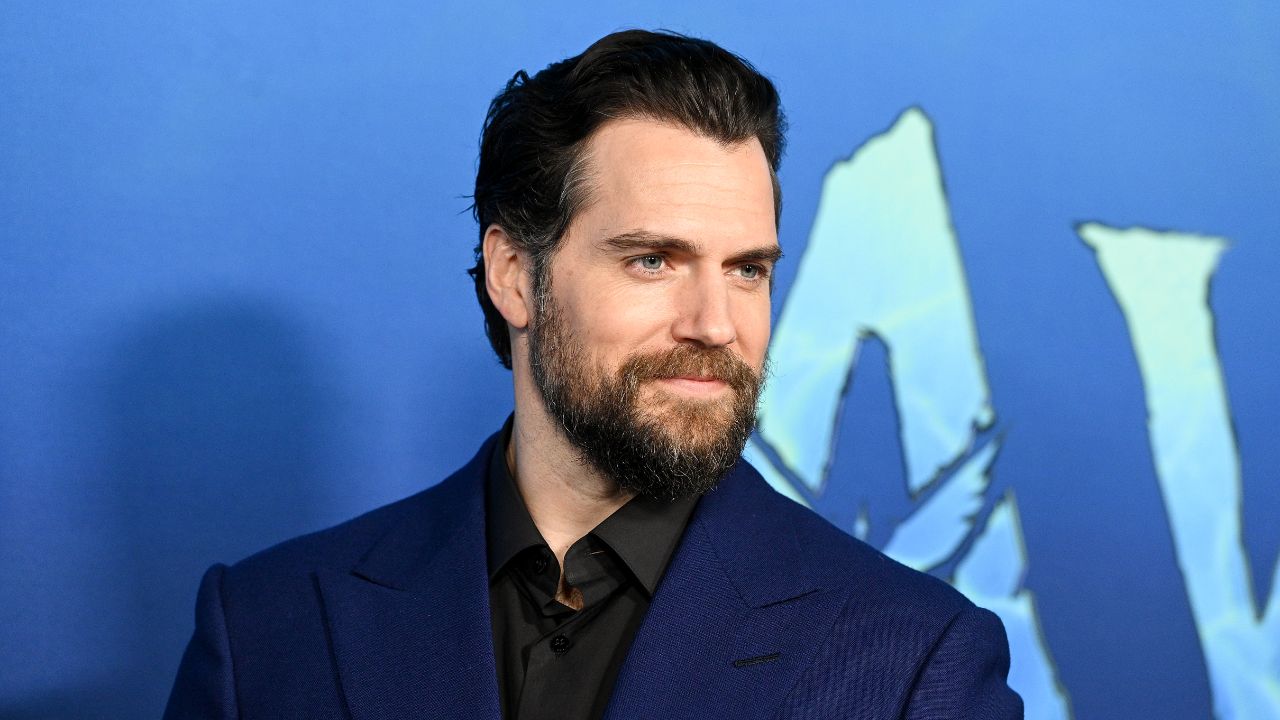
The search for the next James Bond has entered a familiar yet feverish phase—one defined as much by speculation as by legacy. Ever since Daniel Craig concluded his tenure with No Time to Die, the question of who will inherit cinema’s most iconic tuxedo has dominated conversations across the industry and fan circles alike.
Craig’s era, marked by critically acclaimed entries like Casino Royale and Skyfall, set a high bar. His portrayal blended grit with vulnerability, reshaping Bond for a modern audience. Now, as the franchise prepares for its next chapter—tentatively referred to as Bond 26—the pressure to cast the right successor has only intensified.
A New Direction for Bond
Behind the scenes, the upcoming installment is already taking shape with notable creative forces attached. Steven Knight is crafting the screenplay, while Denis Villeneuve, known for Arrival and Dune, is set to direct. Together, they signal a potentially bold and cinematic reinvention of the franchise.
Yet, the biggest decision remains unresolved: who will play 007?
Reports suggest the filmmakers are leaning toward a younger actor—likely someone in their late 20s or early 30s. The reasoning is strategic. A younger Bond allows for long-term storytelling, with the possibility of multiple films anchoring a new era. Historically, this approach has worked; Pierce Brosnan delivered four films, while Craig completed five.
Names like Aaron Taylor-Johnson and Callum Turner have emerged as potential contenders. Meanwhile, long-discussed candidates such as Idris Elba, Tom Holland, and Henry Cavill continue to dominate fan wishlists—even as practical considerations begin to narrow the field.
Henry Cavill: The Bond That Almost Was
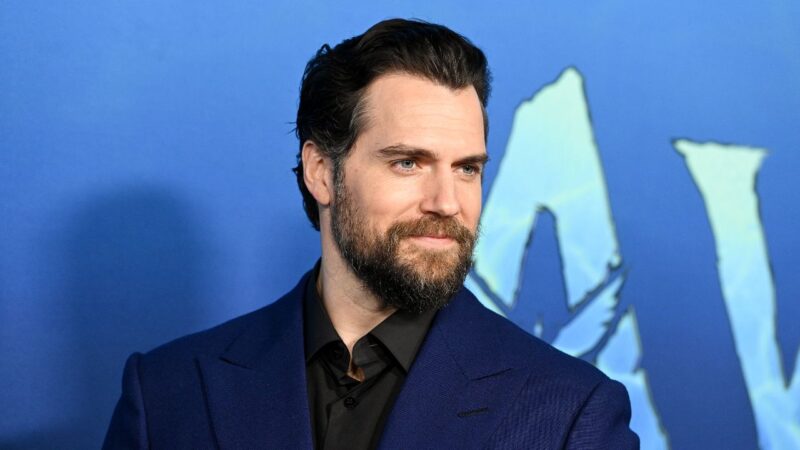
Few names have been as persistently linked to Bond as Henry Cavill. His blend of charisma, physicality, and on-screen confidence has made him a fan favorite for years. In fact, Cavill’s connection to the franchise dates back to Casino Royale, where he auditioned for the role but ultimately lost out to Craig. At the time, he was considered too young—just 22 years old.
Now, in a twist of timing, Cavill finds himself on the opposite end of that spectrum. At 42, he acknowledges that he may be considered too old to begin a long-term run as Bond. It’s a rare case of an actor missing the role both too early and too late.
Still, Cavill’s interest in the franchise hasn’t faded. If anything, it has evolved.
A Villain Instead of a Hero?
Rather than chasing the role of Bond himself, Cavill has proposed a compelling alternative: stepping into the franchise as a villain.
It’s an idea that feels less like compromise and more like opportunity.
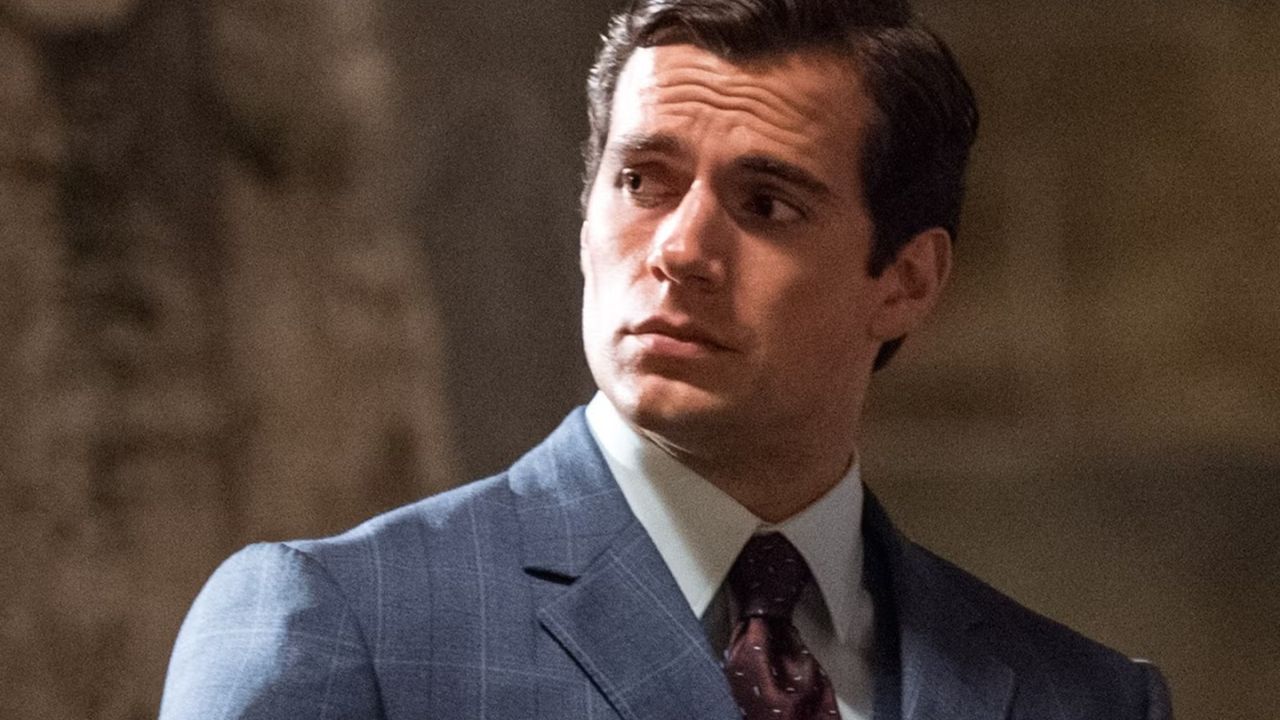
Cavill’s career has largely positioned him as a heroic figure—most notably as Superman in the DC Extended Universe, as well as roles like Geralt in The Witcher and Sherlock Holmes. Yet, his performances have repeatedly hinted at a darker edge. In Mission: Impossible – Fallout, he portrayed the formidable CIA agent August Walker, delivering a performance that was both physically imposing and psychologically menacing. The now-iconic bathroom fight scene alone demonstrated his capability as a credible and dangerous antagonist.
Even earlier roles, such as his turn in The Tudors, showcased his ability to inhabit morally complex characters. There is a controlled intensity in Cavill’s screen presence—one that could translate seamlessly into the world of Bond villains, where charm and threat often coexist.
Why a Cavill Villain Could Work
The Bond franchise has long been defined not just by its hero, but by its villains. From larger-than-life adversaries to psychologically layered antagonists, these characters often leave as strong an impression as Bond himself. Performances like Javier Bardem’s Silva in Skyfall demonstrate how a single, well-crafted villain can elevate an entire film.
Cavill could fit comfortably into that lineage.
His physicality would allow him to match Bond in action sequences, while his charisma could lend complexity to the role. Whether portraying a calculating mastermind or a brute-force enforcer in the mold of classic villains like Jaws, Cavill offers flexibility. Importantly, taking on a villain role would also free him from the long-term contractual commitments typically required of a Bond actor—making it a creatively appealing, low-risk entry into the franchise.
The Stakes for Bond 26
As Bond 26 moves forward, the importance of casting extends beyond just the titular role. A weak villain or underwhelming supporting cast could undermine the film’s attempt to launch a new era. With Villeneuve at the helm, expectations are particularly high; his films are known for their depth, visual ambition, and carefully constructed characters.
In that context, Cavill’s potential involvement—especially as a villain—feels less like fan service and more like a strategic choice.
The next Bond may still be unknown, but the path forward is becoming clearer. A younger actor may well inherit the role of 007, ushering in a fresh chapter for the franchise. Meanwhile, Cavill, once seen as a near-perfect Bond, could redefine his place within that world—not as the man with the license to kill, but as the one trying to stop him.
In a franchise built on reinvention, that kind of role reversal might be exactly what keeps Bond relevant.