
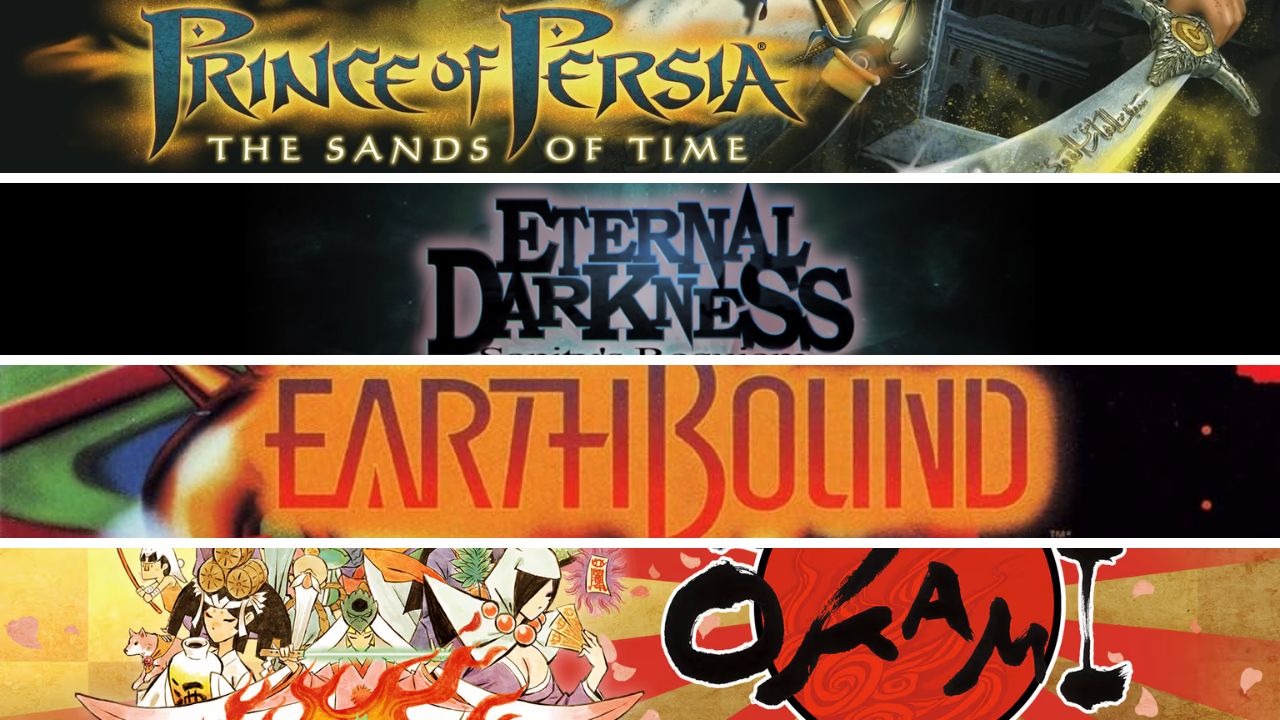
There was a time when discovering a game meant stumbling across it on a dusty rental shelf or seeing its cartridge tucked behind bigger names. Not every great idea got the spotlight it deserved. Some titles were released too early, marketed poorly, or simply overshadowed by giants of their era. Decades later, they remain cult favorites—proof that quality doesn’t always equal popularity. Below are forgotten retro games that didn’t fail because they were bad, but because history moved on without properly noticing them.
Forgotten Retro Games That Deserved Better
EarthBound
When EarthBound arrived in the mid-1990s, it felt like a joke that nobody quite understood. At a time when role-playing games were dominated by swords, dragons, and sprawling fantasy kingdoms, this title dropped players into a satirical version of modern America. You fought street signs, cult members, and abstract fears instead of monsters—and that alone confused a lot of people.
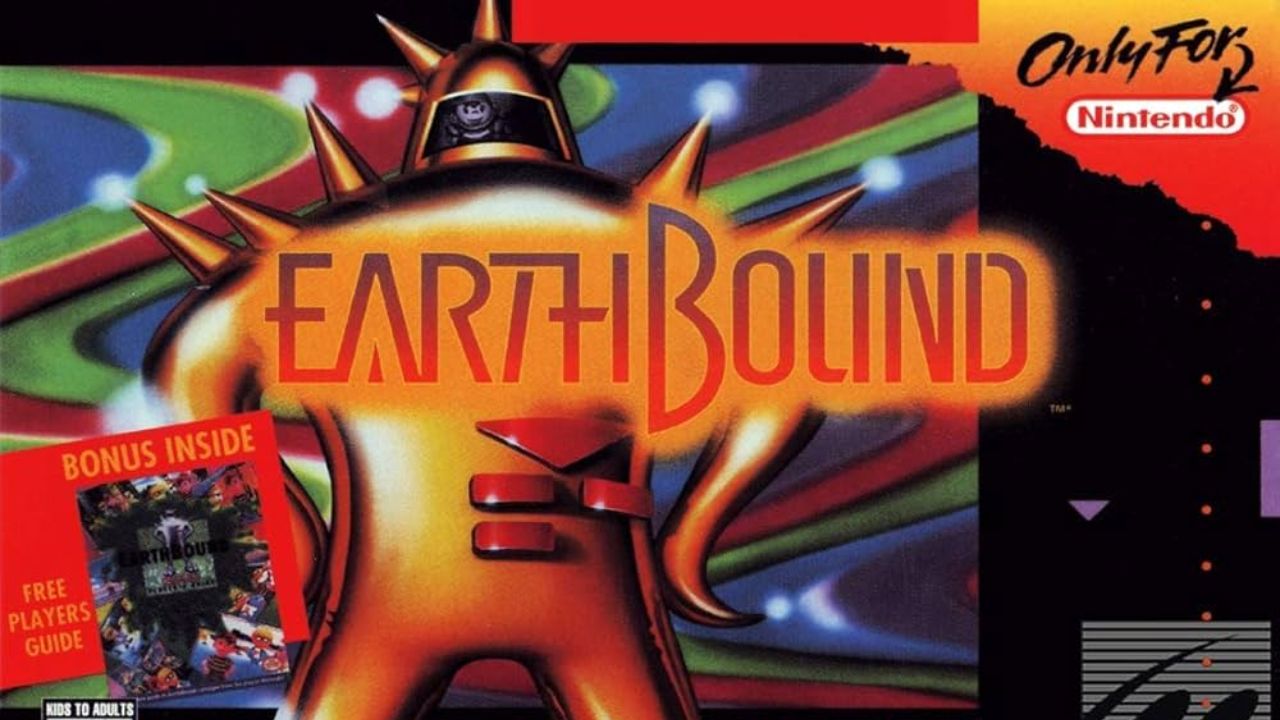
The game’s marketing didn’t help. Advertisements leaned heavily into its weirdness, presenting it as gross-out humor rather than the emotionally layered journey it actually was. Underneath the bright visuals and odd jokes was a surprisingly heartfelt story about childhood, fear, and growing up. Players who gave it time found moments that lingered long after the console was turned off.
Years later, EarthBound became a cult phenomenon, celebrated for its writing and emotional intelligence. Its influence can be seen in countless indie RPGs today. The tragedy is that it never got to enjoy that recognition when it mattered most.
Chrono Cross
Few games have suffered more from expectations than Chrono Cross. As the follow-up to a beloved classic, it was immediately judged on what it wasn’t rather than what it was. Fans wanted a direct continuation; what they got instead was a meditative, complex story about parallel worlds, lost identities, and the consequences of choice.
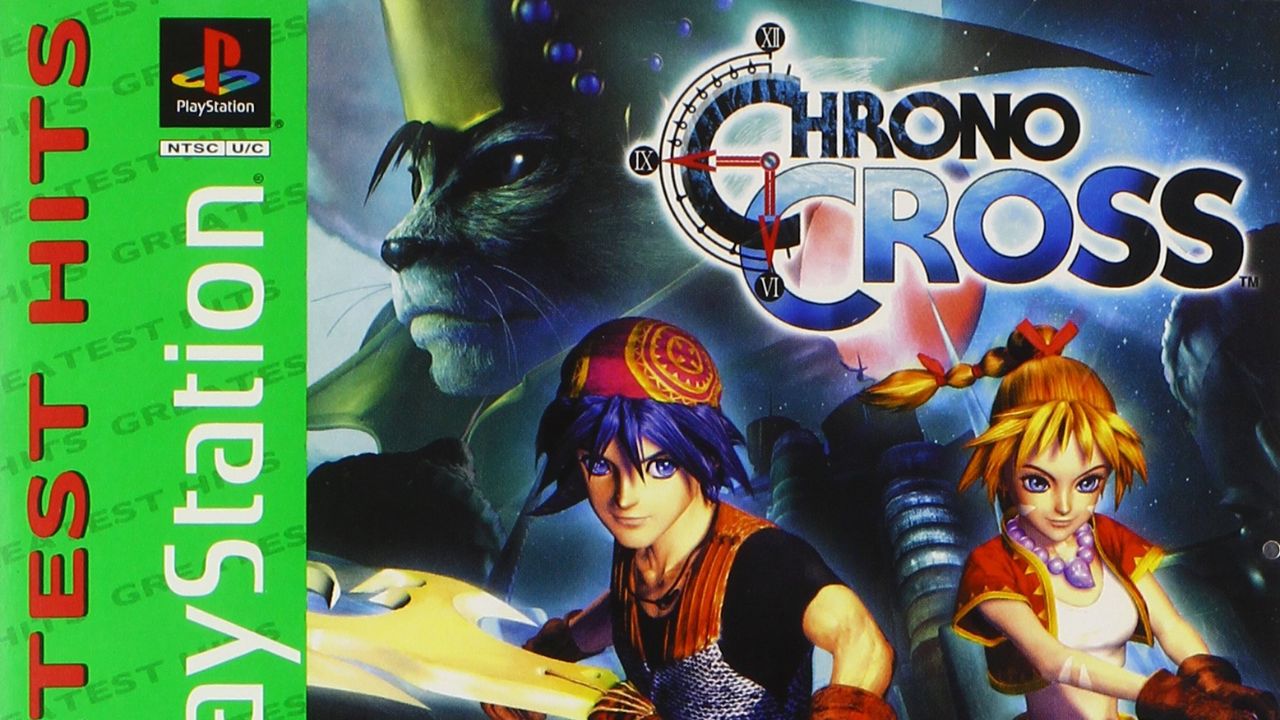
Mechanically and artistically, the game was ambitious. Its painterly visuals, haunting soundtrack, and massive cast of characters created a dreamlike atmosphere that felt unlike anything else on the original PlayStation. But its nonlinear storytelling and philosophical tone alienated players expecting something more familiar.
Over time, appreciation for Chrono Cross has grown. Critics and players now recognize it as a thoughtful, emotionally rich RPG that dared to explore themes far deeper than most games of its era. It didn’t fail—it just refused to play it safe.
Beyond Good & Evil
Released quietly and promoted poorly, Beyond Good & Evil is often cited as one of gaming’s greatest “what if” stories. On the surface, it appeared to be a straightforward action-adventure game. In reality, it offered something much more layered: a narrative about truth, propaganda, and resistance told through deeply human characters.
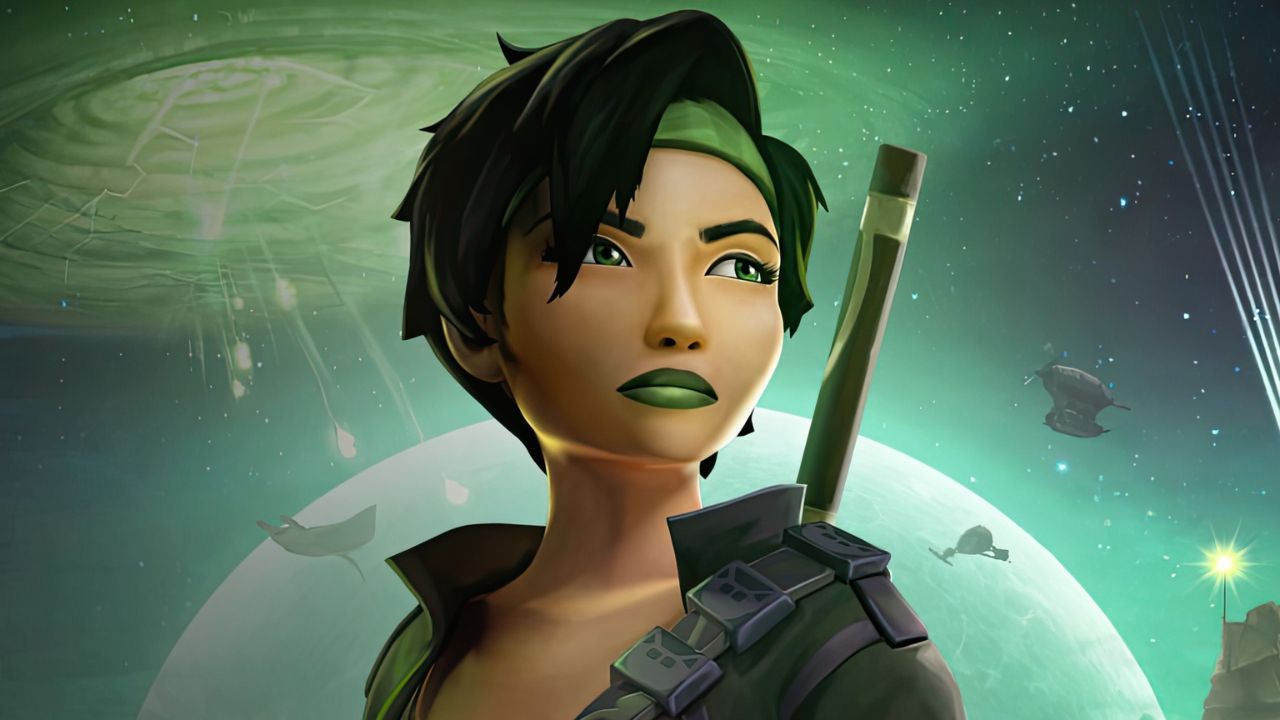
Players stepped into a world that felt alive, filled with ordinary people struggling under extraordinary circumstances. The protagonist wasn’t a chosen hero or legendary warrior—she was a journalist trying to expose lies. That grounded perspective made the story resonate in a way few games attempted at the time.
Despite critical praise, sales were disappointing. It took years—and countless fan recommendations—for the game to gain the respect it deserved. Today, it’s remembered as a storytelling triumph that proved games could tackle serious themes without losing their sense of adventure.
Ōkami
Art doesn’t always sell itself, and Ōkami is the perfect example. Visually, it looked like a living painting—bold brushstrokes, flowing ink, and imagery inspired by traditional Japanese art. Mechanically, it played like a refined action-adventure with clever puzzle-solving and combat built around creativity rather than brute force.
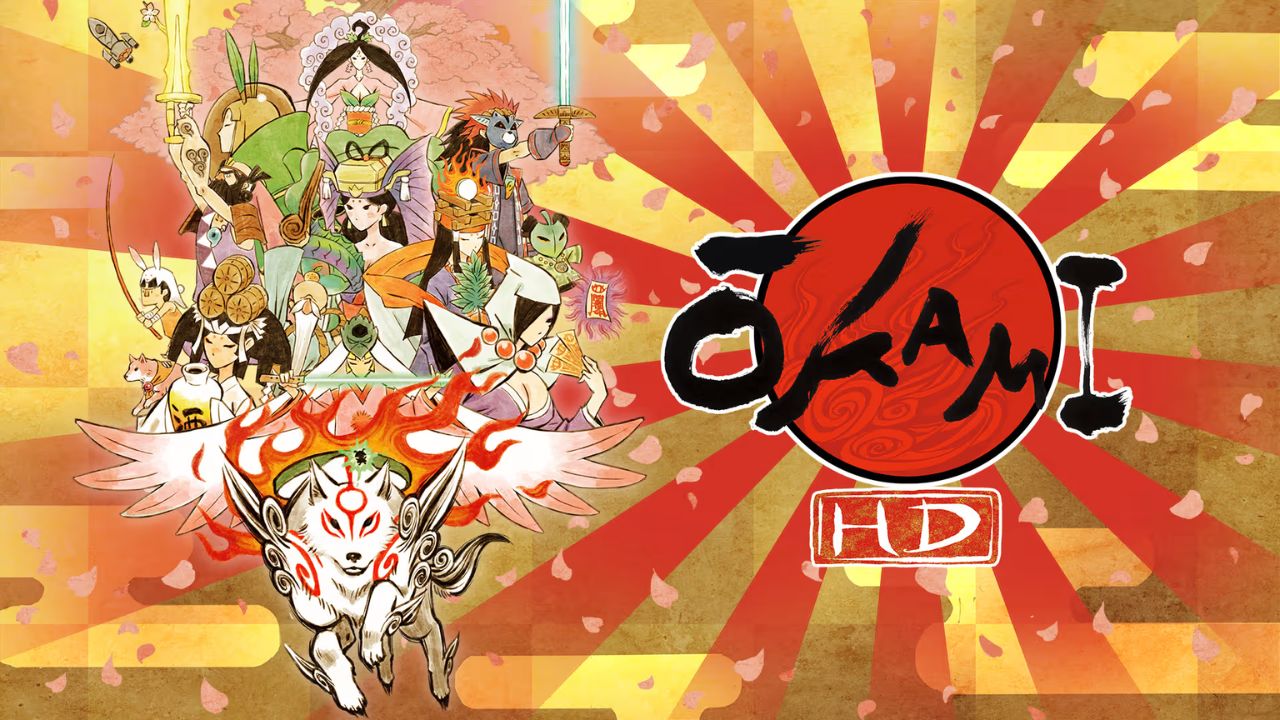
Critics adored it. Awards followed. Sales, unfortunately, did not.
Many players hesitated because it looked different, or because its pace favored exploration and atmosphere over constant action. Those who committed, however, discovered a deeply emotional story rooted in myth, nature, and renewal. Ōkami wasn’t just a game—it was an experience meant to be savored.
Its legacy lives on through re-releases and passionate fans, but its original run remains a reminder that artistic ambition doesn’t always align with market trends.
Vagrant Story
Dense, demanding, and unapologetically complex, Vagrant Story asked a lot from its players. The combat system required strategy and patience. The story unfolded through political intrigue, moral ambiguity, and long stretches of subtle storytelling rather than exposition-heavy dialogue.
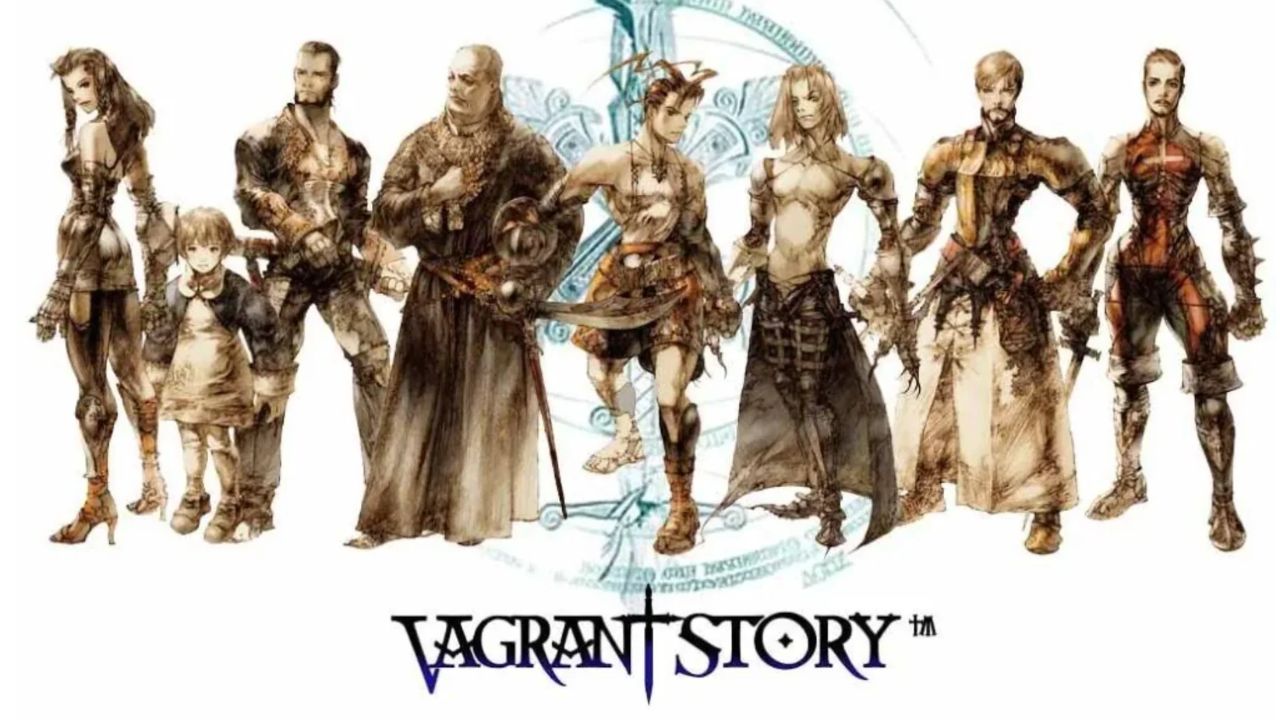
For many, it was simply too much. Released during a golden age of accessible RPGs, its seriousness and mechanical depth scared off casual audiences. Yet for players willing to engage with it fully, Vagrant Story offered one of the most mature narratives ever told on the PlayStation.
It proved that video games could handle themes as intricate as any novel or film. The fact that it remains niche speaks more about audience readiness than the game’s quality.
System Shock 2
Long before narrative-driven shooters became mainstream, System Shock 2 was quietly redefining what the genre could be. It blended role-playing mechanics with first-person exploration, all wrapped in an atmosphere of dread and isolation.
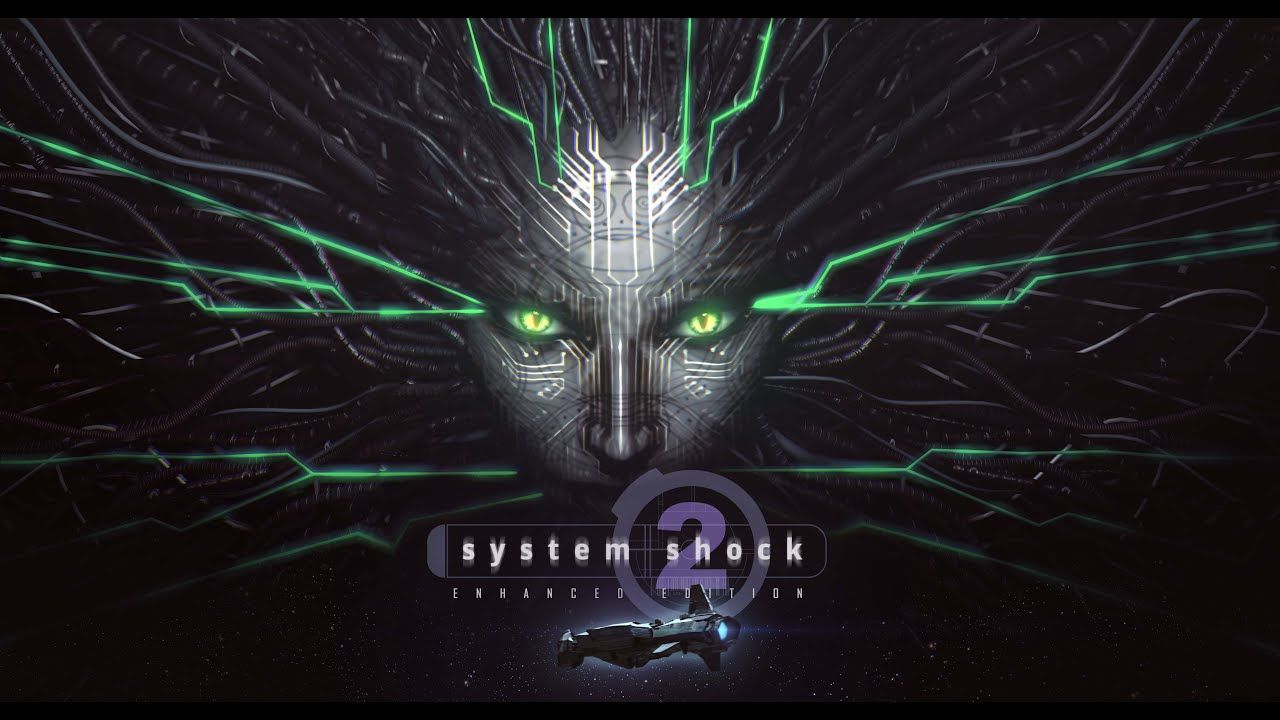
The game didn’t rely on constant action. Instead, it built tension slowly—through audio logs, environmental clues, and the creeping realization that something had gone terribly wrong. Its antagonist became one of the most unsettling presences in gaming history.
Despite critical acclaim, poor sales kept it from widespread recognition. Ironically, many of today’s most celebrated games owe their design philosophies to ideas first explored here. System Shock 2 didn’t just deserve better sales—it deserved to be remembered as the pioneer it was.
Eternal Darkness: Sanity’s Requiem
Horror games often aim to scare players through monsters and jump scares. Eternal Darkness took a different approach—it targeted the player’s mind. By simulating fake glitches, manipulating audio, and breaking the fourth wall, it made players question what was real and what wasn’t.
This level of experimentation was risky. Many players didn’t know how to react to a game that seemed to malfunction intentionally. But those who embraced it experienced one of the most innovative horror titles ever made.
Commercially, it struggled. Creatively, it was years ahead of its time. Today, it’s often cited as a cult classic that proved psychological horror could thrive in interactive form.
Prince of Persia: The Sands of Time
While now widely respected, The Sands of Time didn’t immediately dominate the market. Released during a crowded era of action games, it initially flew under the radar. That’s unfortunate, because its mechanics fundamentally reshaped the genre.
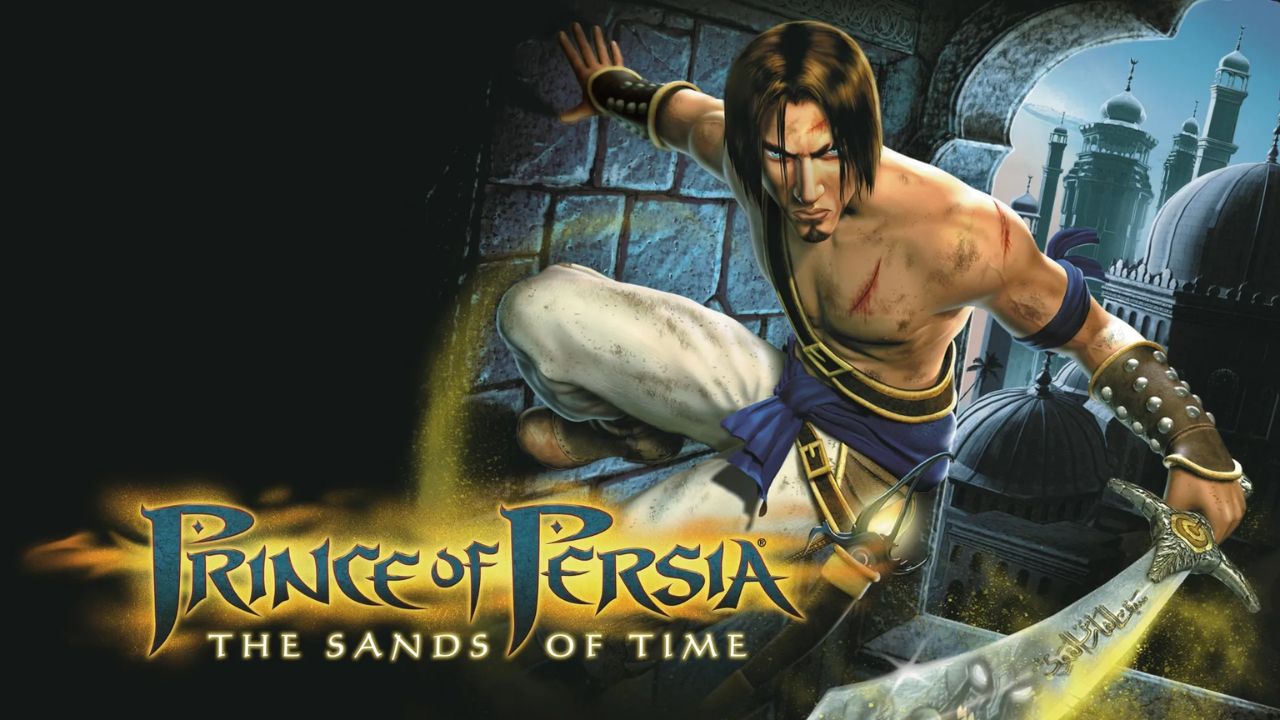
The ability to rewind time wasn’t just a gimmick—it changed how players approached risk, failure, and experimentation. Combined with fluid movement and elegant level design, it created a sense of freedom rarely seen at the time.
Its influence became clearer in hindsight, inspiring countless future titles. Recognition eventually came, but its initial reception serves as another reminder that innovation often needs time to be understood.