
There’s buzz that hums louder than a Bat-signal these days — not just the usual collector chatter, but genuine conversation among readers who’ve spent years feeling a little worn down by familiar origin beats. When a new take on a character as endlessly reworked as Batman lands and actually moves people, it’s worth asking calmly (and then loudly): did the book earn the noise, or is this another marketing drumbeat wrapped in flashy variant covers? The answer is mostly yes — with important caveats. Below is a deep dive into what Absolute Batman #1 sets out to do, what actually happens on the page, why the creative team matters, and whether the series truly lives up to its reputation in 2026.
What Is Absolute Batman #1?
Absolute Batman launched as part of DC’s Absolute Universe initiative, designed to reboot the Dark Knight from the ground up. This isn’t a continuity patch or a soft relaunch — it’s a bold reimagining that strips Batman of comfort, tradition, and even some of his inherited advantages.
Written by Scott Snyder and illustrated by Nick Dragotta, the debut issue clocks in at a hefty page count and immediately signals its intentions: this is Batman rebuilt through brutality, urgency, and mythic scale. From the first pages, the book positions itself as a starting point not just for new readers, but for longtime fans willing to see familiar ideas dismantled and reconstructed.
Commercially, the book made waves. Multiple printings, rapid sell-outs, and strong word-of-mouth ensured that Absolute Batman #1 stayed in conversation well beyond its release window. But hype alone doesn’t make a comic worth revisiting years later — story does.
The Big Shift: What’s Different This Time?
The defining change is Bruce Wayne himself. In Absolute Batman, Bruce is younger, rougher, and far more grounded. He isn’t introduced as an untouchable billionaire operating from a gothic mansion. Instead, he’s shaped by hardship, survival, and a Gotham that feels closer to a pressure cooker than a playground for costumed theatrics.
Alfred, too, is reimagined — not just as a caretaker, but as someone with a different professional and moral framework. Their relationship is sharper, more confrontational, and less comfortable than most Batman fans are used to.
These aren’t cosmetic changes. They alter the emotional gravity of every scene and force readers to engage with Batman not as a legend handed down, but as something still forming — and still breakable.
Plot Breakdown: What Happens in Issue #1?
The issue opens with Gotham itself, portrayed less as a city and more as an ecosystem of cruelty and spectacle. Crime here isn’t hidden in alleys — it’s organized, performative, and horrifyingly efficient.
Bruce is introduced mid-life rather than mid-origin. He’s already bruised, already angry, and already committed to fighting back, though the shape of that fight is still evolving. The narrative wastes no time easing readers in. Within pages, Snyder throws us into a violent scenario centered around exploitation, captivity, and dehumanization — the thematic heart of what the opening arc calls “The Zoo.”
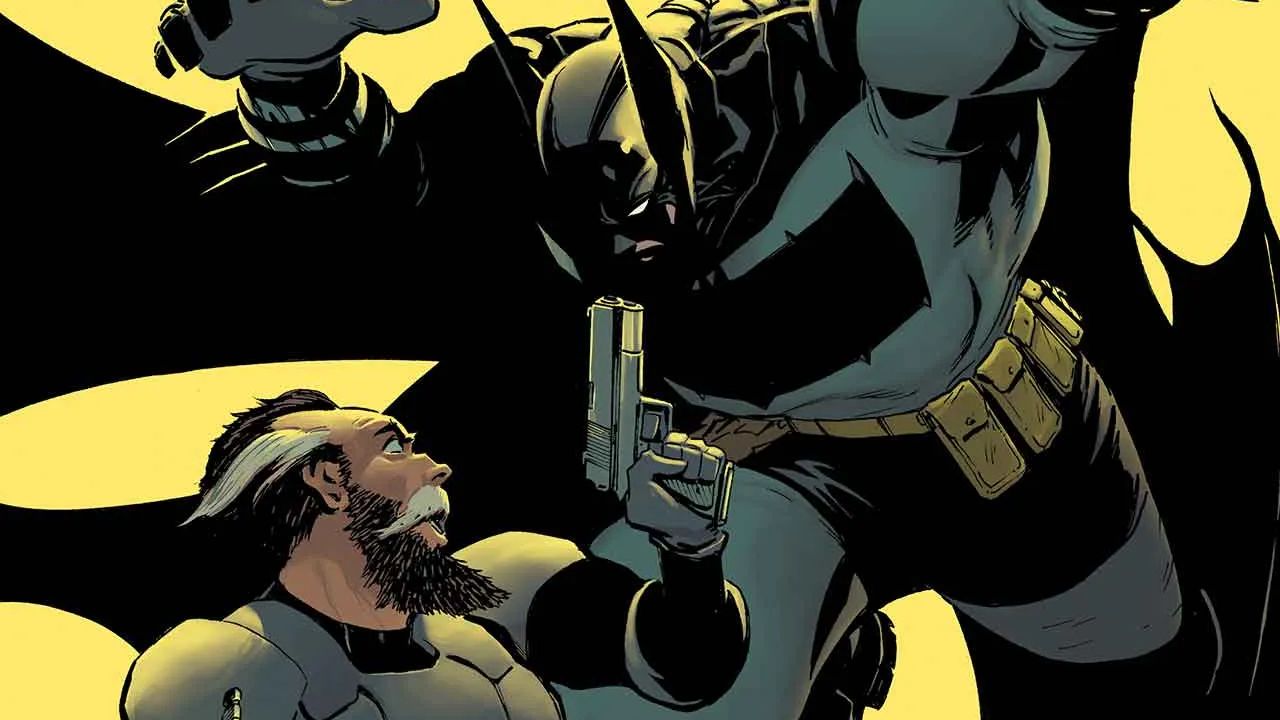
The action is ferocious. Batman doesn’t glide through scenes; he crashes into them. Every fight feels costly. Bones break. Mistakes linger. Gotham doesn’t bend easily, and neither does Bruce.
Familiar figures from Batman’s mythos appear, but they don’t arrive as nostalgic cameos. Instead, they’re woven into this new reality in ways that feel unsettling. Villains are less theatrical and more industrial — systems of harm rather than colorful criminals.
The issue closes on a brutal, unresolved note. There’s no triumphant victory, no clean moral resolution. Instead, readers are left with a question: can this version of Batman survive without becoming the thing he’s fighting?
Writing Style and Narrative Structure
Scott Snyder approaches Absolute Batman like a filmmaker. Scenes are built around momentum, impact, and rhythm. Dialogue is sharp and declarative. Internal monologues are brief but heavy, designed to echo rather than explain.
The writing’s greatest strength lies in escalation. Each scene raises the stakes without resetting the tension. Quiet moments exist, but they’re fleeting — breaths taken between blows rather than pauses for reflection.
Characterization is purposeful. Bruce Wayne isn’t defined by backstory alone, but by decisions made under pressure. The comic asks less “Why is he Batman?” and more “What kind of Batman will he become?”
That said, subtlety isn’t always the book’s priority. Themes are bold and sometimes blunt. For readers who appreciate symbolic storytelling with sharp edges, that’s a feature. For those who prefer restraint, it may feel heavy-handed.
The Art: Nick Dragotta’s Visual Identity
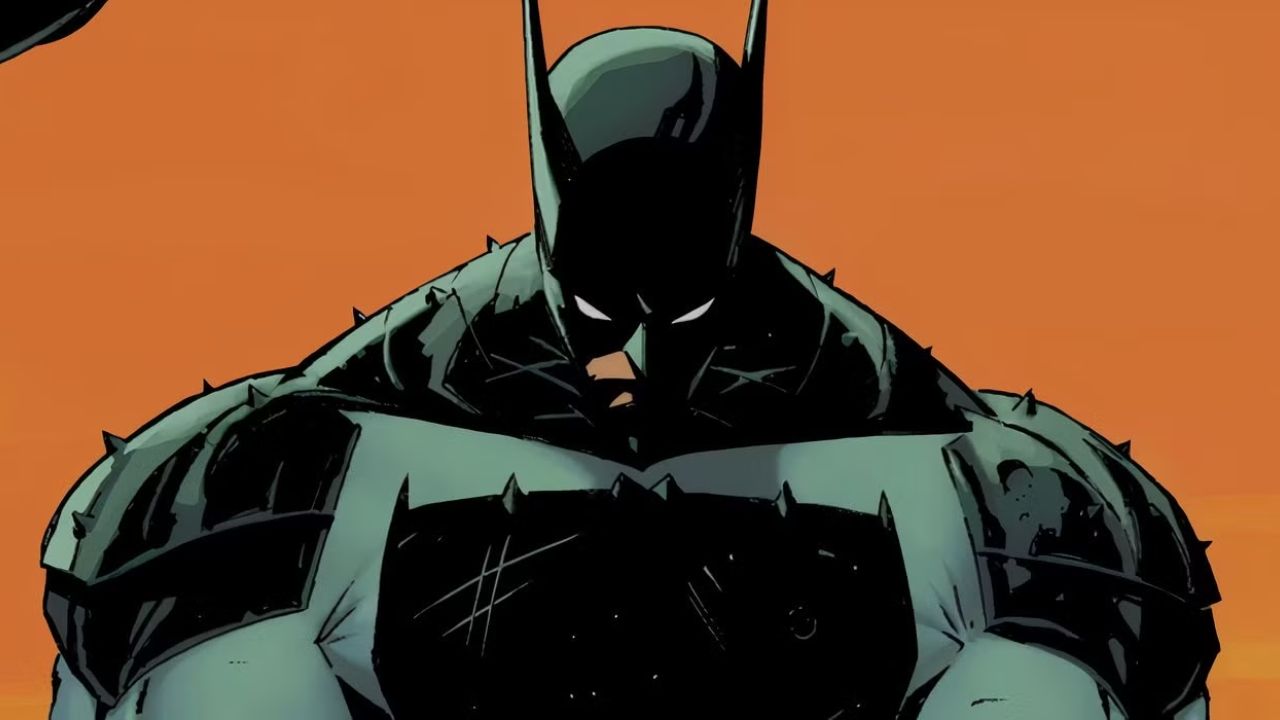
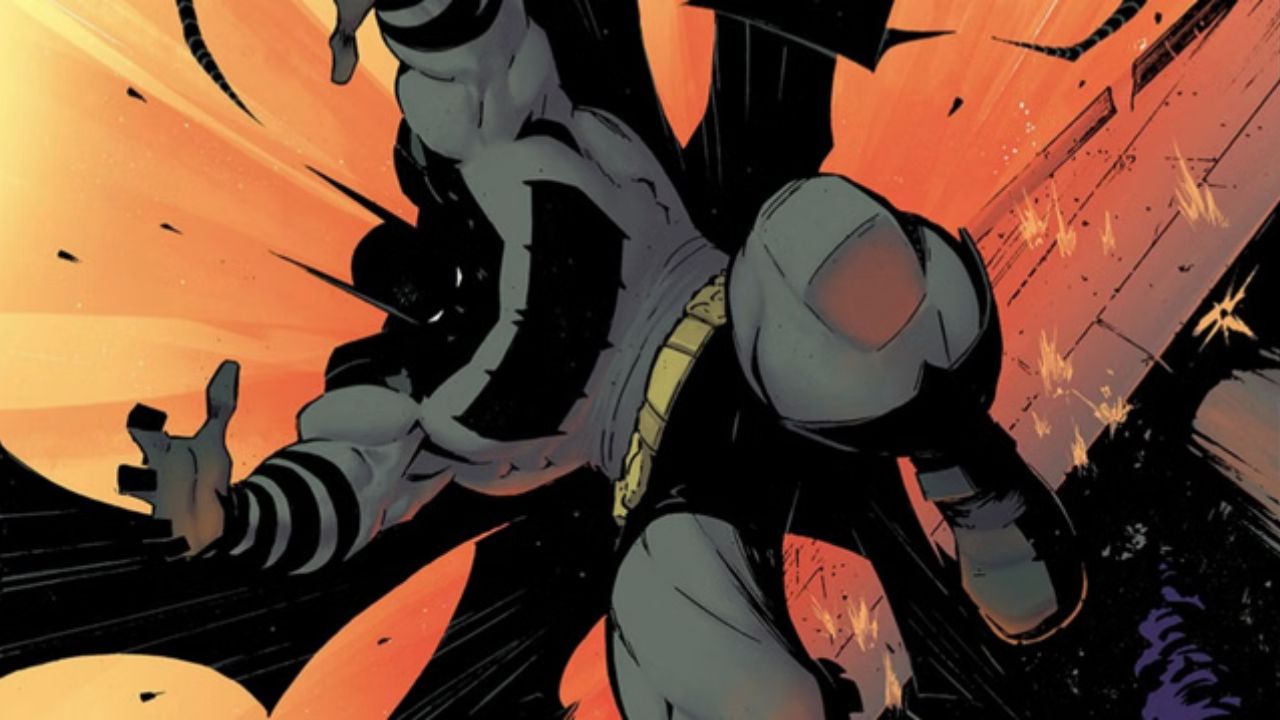
Nick Dragotta’s artwork is impossible to ignore. This Batman is massive, jagged, and almost monstrous in silhouette. Panels are dense with motion, anatomy exaggerated to emphasize force rather than realism.
Action sequences dominate the page, often unfolding in rapid, cinematic layouts that feel closer to animation storyboards than traditional superhero panels. Gotham’s architecture bends and looms, reinforcing the sense that the city itself is complicit in the violence.
The visual style is divisive by design. Some readers praise its raw energy and willingness to be ugly. Others find it overwhelming or too aggressive. Either way, the art defines the book’s identity as much as the writing does.
Themes Beneath the Violence
Despite its intensity, Absolute Batman #1 isn’t empty spectacle. Several themes run consistently through the issue:
- Heroism without privilege: By removing Bruce’s traditional safety nets, the story asks what heroism looks like when it isn’t backed by wealth or insulation.
- Humanity as spectacle: The “zoo” metaphor frames Gotham as a place where suffering is observed, exploited, and normalized.
- Trauma versus purpose: The comic challenges the idea that pain automatically creates noble heroes, suggesting instead that it can just as easily destroy them.
These ideas give the book weight, even when the action threatens to overshadow them.
How It Fits Into Batman’s Legacy
Batman has survived countless reinventions, and Absolute Batman positions itself as one of the boldest. It doesn’t aim to replace classic interpretations, but to exist alongside them as an alternative myth.
For longtime fans, this can be uncomfortable. For new readers, it’s liberating. The Absolute Universe treats continuity as flexible, allowing creators to focus on story rather than maintenance.
Whether this approach succeeds long-term depends on follow-through — but as a first chapter, it makes a convincing case for itself.
Criticisms and Limitations
No debut is flawless. Absolute Batman #1 has its weak spots:
- Villains sometimes feel underdeveloped, functioning more as concepts than characters.
- Emotional depth is postponed, with payoff clearly intended for later issues.
- The art style isn’t universally appealing, particularly for readers who prefer traditional noir aesthetics.
These aren’t fatal flaws, but they are worth considering before diving in.
Why It Still Matters in 2026
Two years later, Absolute Batman #1 is still discussed because it represents something modern superhero comics struggle with: a clear, confident entry point that isn’t afraid to challenge expectations.
In an industry often bogged down by continuity and nostalgia, this book dared to reset the board and play aggressively. That alone keeps it relevant.
Final Verdict: Is It Worth the Hype?
Yes — if you understand what kind of book it is.
Absolute Batman #1 is loud, violent, and unapologetically ambitious. It prioritizes momentum over introspection and spectacle over comfort. It won’t replace your favorite Batman run, but it doesn’t need to.
For readers open to reinvention, it’s a gripping start. For skeptics, it’s at least an interesting experiment. And for the Batman mythos as a whole, it’s proof that the character still has unexplored angles worth chasing.
In a genre that too often plays it safe, Absolute Batman swings hard. Even when it stumbles, it reminds us why Batman continues to endure — not because he stays the same, but because he keeps changing.